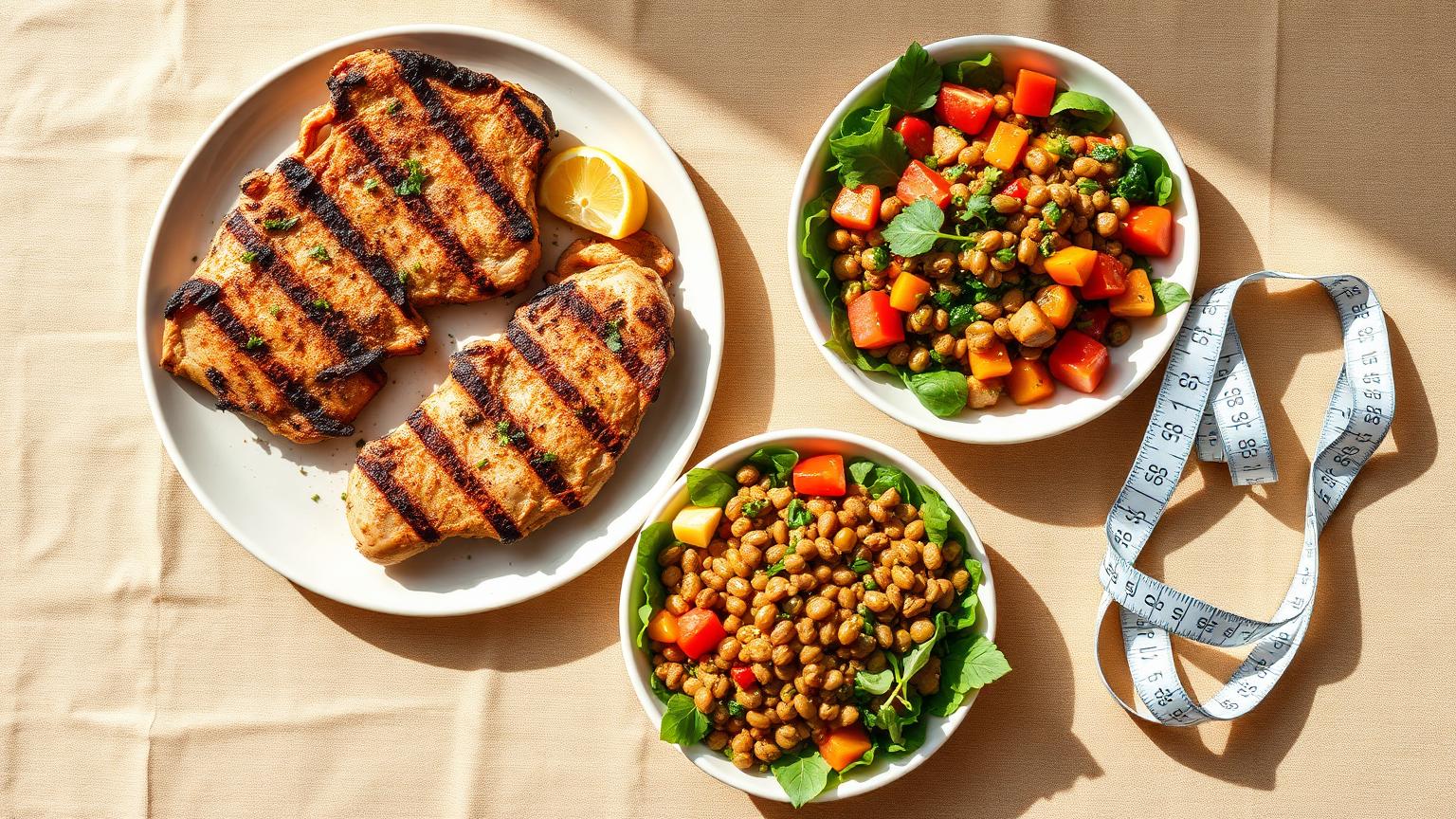
Before the Recipes: What Actually Makes Halal Weight Loss Work
Let's be honest about what weight loss requires, because there's a lot of noise out there.
Caloric deficit is the mechanism. Full stop. Whether you're doing keto, intermittent fasting, Mediterranean eating, or something else entirely, the reason any diet produces fat loss is because it creates a sustained caloric deficit — you consume fewer calories than you expend. The diet style is the delivery mechanism. The deficit is the actual cause.
Protein protects your muscle and your appetite. When you're eating less, protein does two essential jobs simultaneously: it preserves lean muscle mass (so you lose fat, not muscle), and it is by far the most satiating macronutrient (so you stay full longer on fewer calories). Every cluster in this guide prioritizes protein, and you'll see those numbers called out explicitly.
Volume matters psychologically. Feeling full is not just about calories — it's about the physical volume of food in your stomach and the fiber slowing digestion. Vegetables, legumes, and fiber-rich foods let you eat a large amount of food for a modest caloric cost. This is the most underrated strategy in sustainable dieting.
Consistency beats perfection. A diet you can maintain for six months while enjoying your food beats a "perfect" diet you abandon after three weeks. Every recipe in this collection is something you'd choose to eat regardless of whether you were trying to lose weight — because food that doesn't taste good doesn't get eaten for long.
Now, to the recipes.
Cluster 1: Low-Calorie Keto Mains — High Protein, Low Carb, Genuinely Filling
The keto cluster is built around a simple principle: high protein, low carbohydrate, moderate fat. These five recipes deliver substantial meals — real dinners, not diet food — with caloric profiles that make a deficit almost automatic.
The beauty of low-carb halal cooking is that the most naturally keto-friendly proteins — chicken, beef, lamb, salmon — are all straightforwardly halal. There's no adaptation required. The cuisine fits the framework.
- Keto Chicken Broccoli
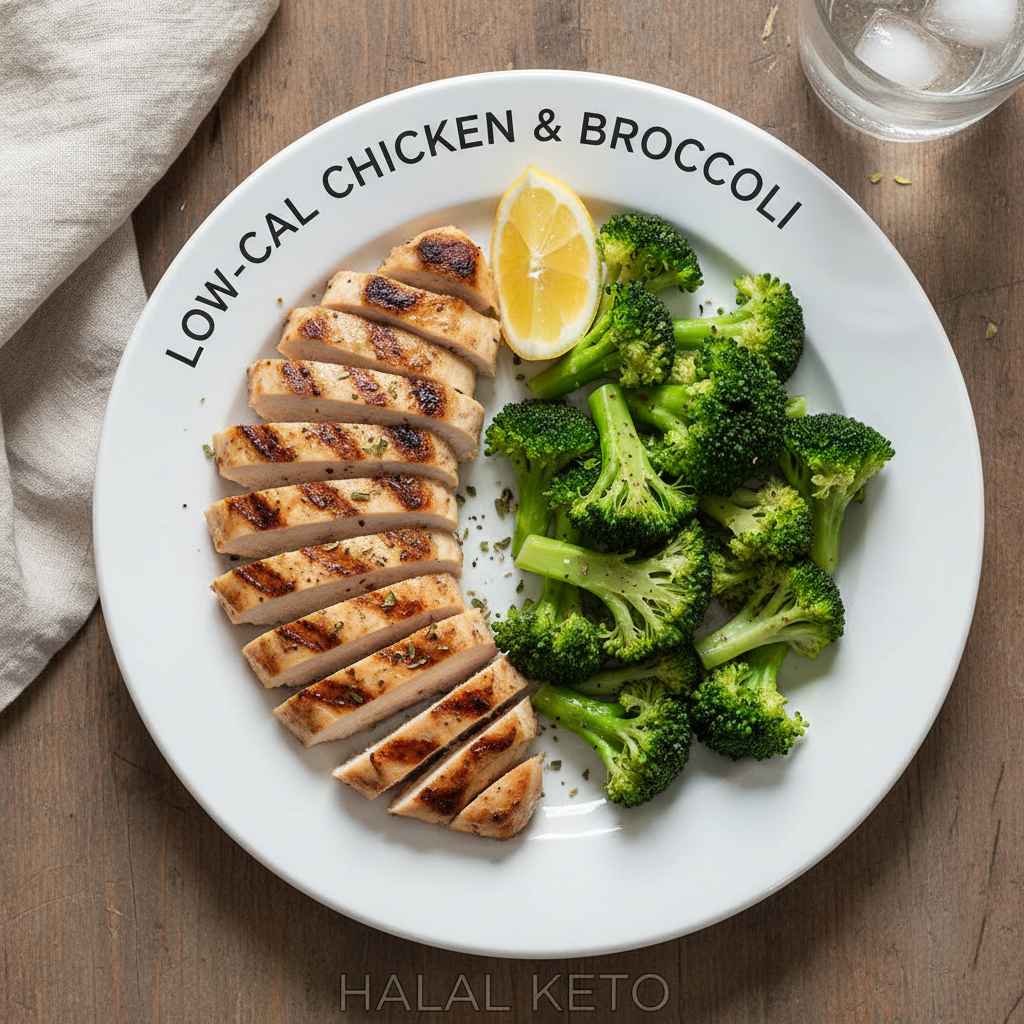 — 340 calories, 36g protein. This is the workhorse of the cluster and honestly one of the best weight-loss meals on the entire site. Broccoli is one of the highest-volume, lowest-calorie vegetables that exists — a full cup cooked contains around 55 calories and 3.7g of fiber. Combined with halal chicken breast at 36g protein per serving, this is a meal that genuinely satisfies, supports muscle retention, and fits almost any reasonable caloric target. Make it in batches on Sunday and the weekday lunch problem is solved.
- Keto Beef Zucchini
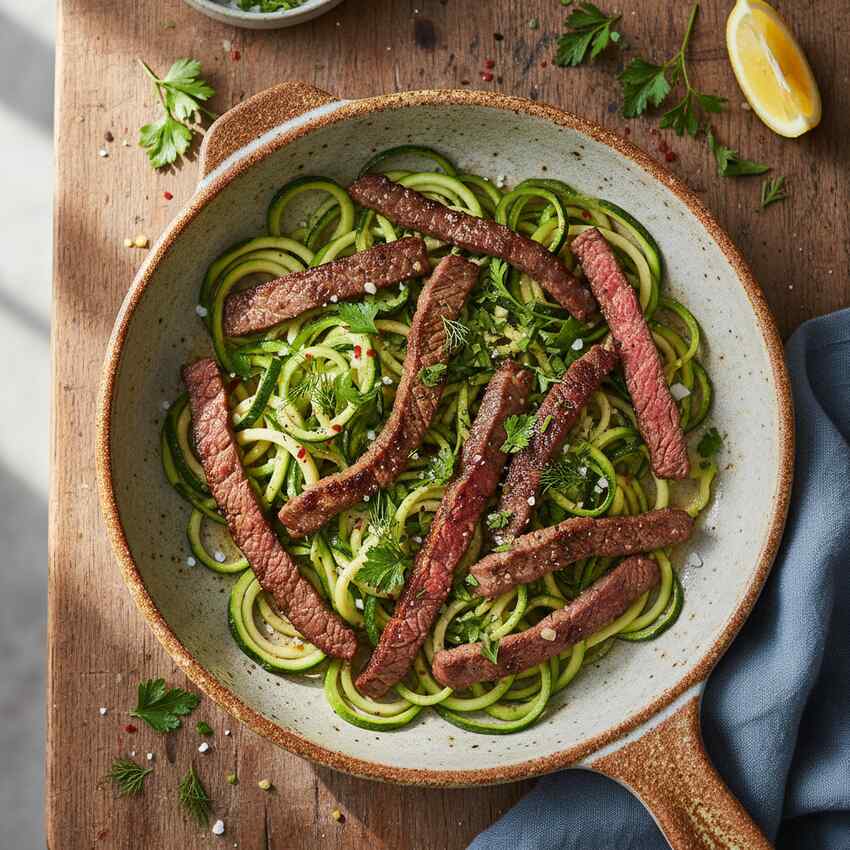 — Halal ground beef with zucchini is a combination that most people don't try until someone tells them to, and then they make it weekly. Zucchini contributes volume, mild flavor, and a serious amount of water content that makes the dish filling without adding meaningful calories. The beef brings iron, zinc, B12, and the protein needed to keep you full until your next meal.
- Keto Chicken Casserole
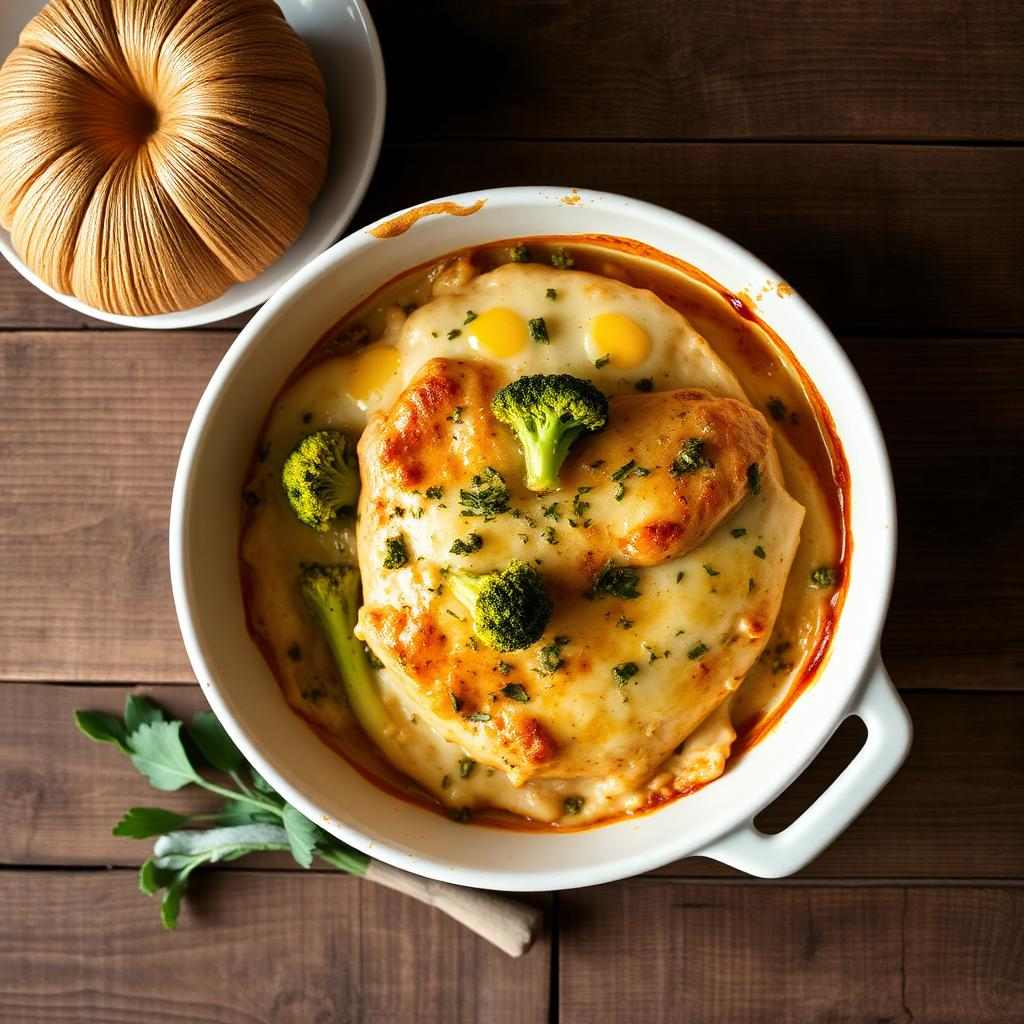 — Comfort food that fits a weight loss framework. The casserole format means this reheats beautifully, making it one of the best meal-prep recipes in the collection. The creamy, satisfying texture comes from cheese and a modest amount of cream rather than starchy thickeners — so the calorie cost stays controlled while the eating experience feels indulgent.
- Keto Salmon Patties
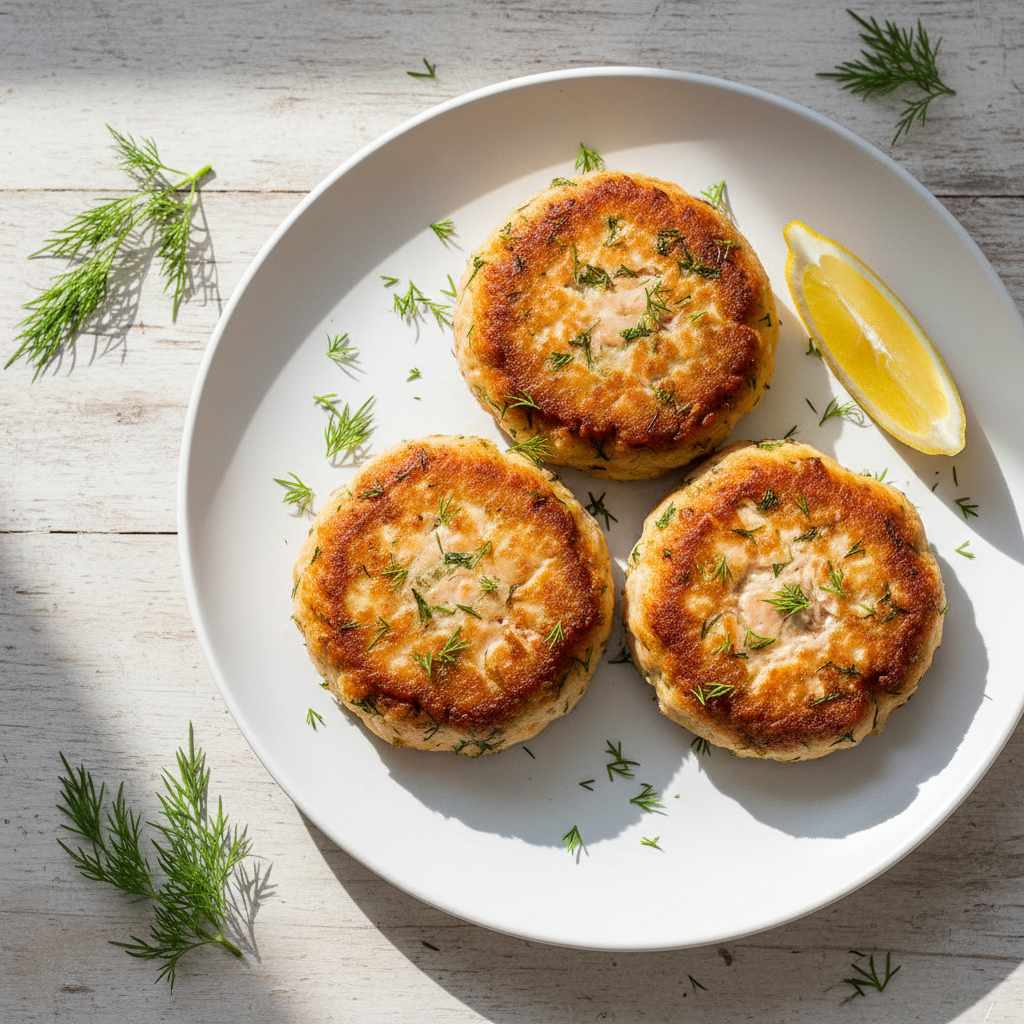 — Salmon is one of the few foods that simultaneously supports fat loss (through high protein content) and overall health (through omega-3 fatty acids that reduce inflammation and support brain function). These patties work as a quick weeknight dinner or a meal-prep item that holds well in the refrigerator for three days.
- Keto Turkey Meatballs
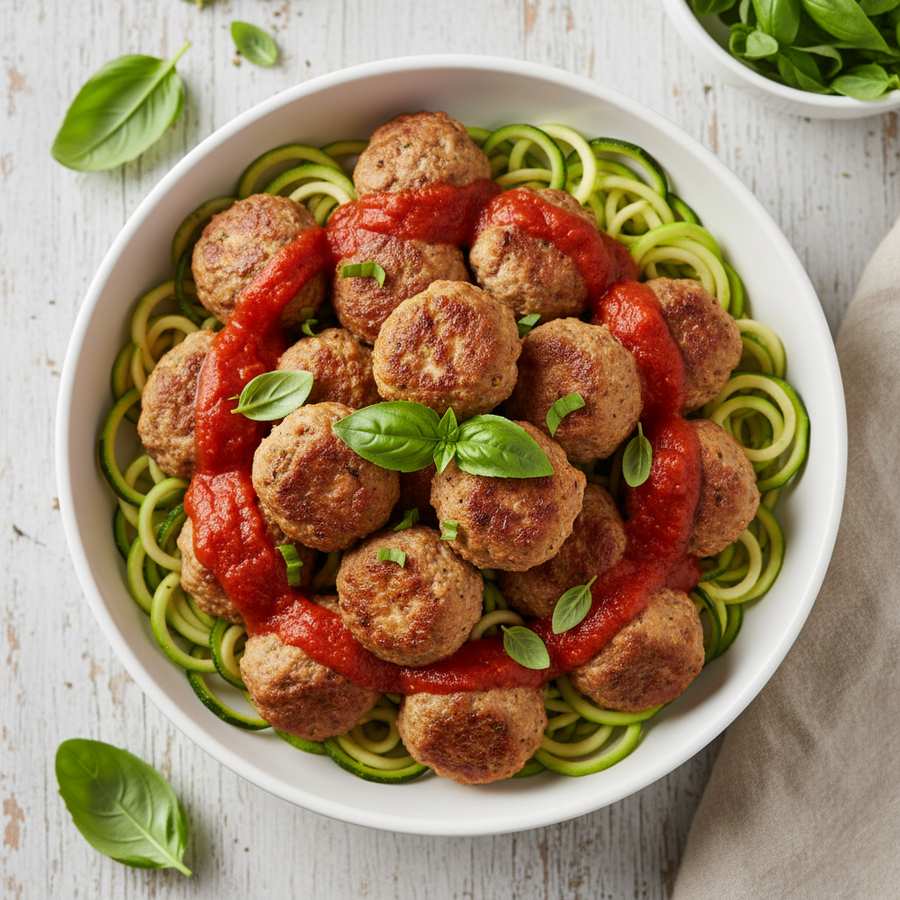 — Ground turkey is one of the leanest halal proteins available, and meatballs are a format that makes it genuinely enjoyable rather than merely tolerable. Serve over zucchini noodles for a fully low-carb meal, or over a simple green salad when you want something lighter.
Cluster 2: Low-Calorie Green Smoothies — The Fastest Nutritious Meal You'll Make
Smoothies have a complicated reputation in weight loss circles, and not entirely without reason. A badly constructed smoothie — three bananas, two tablespoons of honey, full-fat yogurt, and oat milk — can easily hit 600–700 calories before you've had breakfast. But a well-constructed smoothie is one of the most efficient weight-loss tools available: fast, satisfying, highly nutritious, and infinitely variable.
These three are built specifically to stay lean on calories while delivering real micronutrient density.
- Low Calorie Green Apple Kale Smoothie
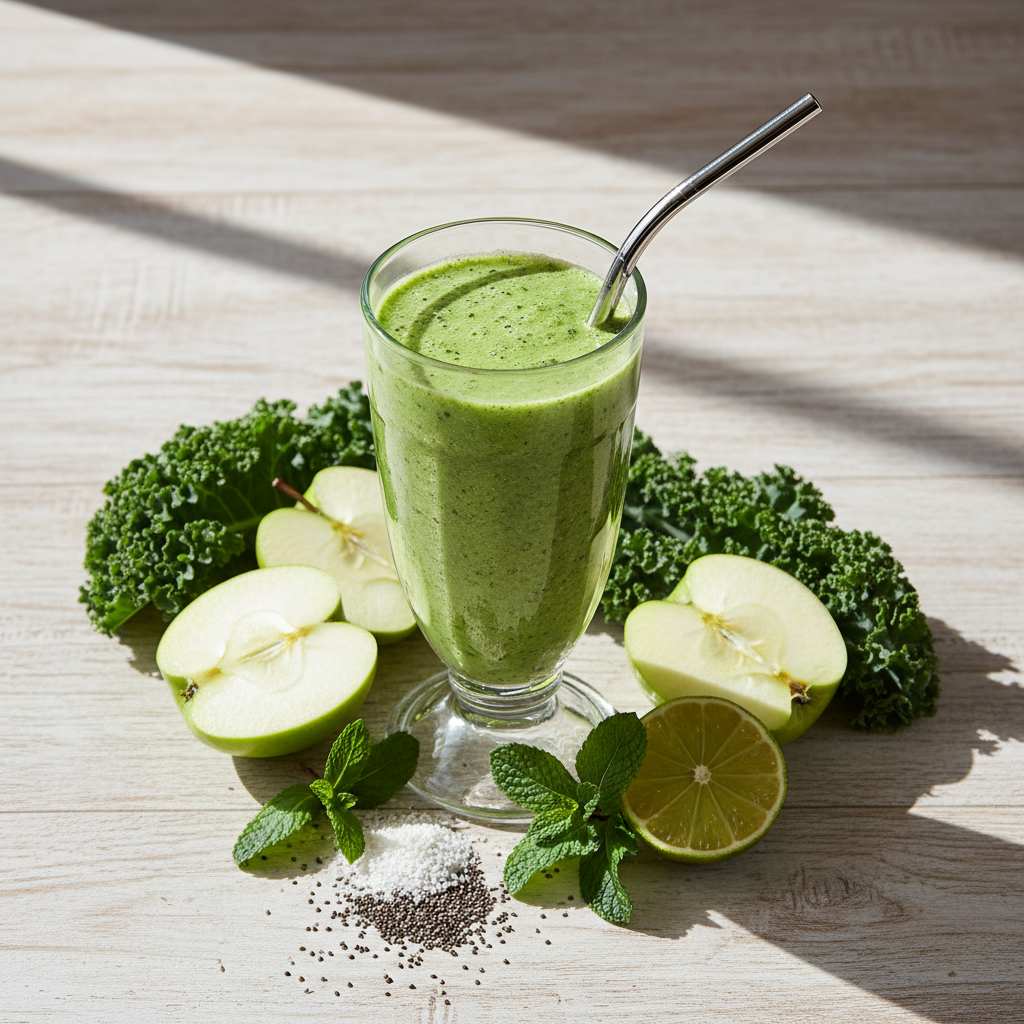 — 200 calories, 7g protein. Green apple does something that banana cannot in a low-calorie smoothie: it provides natural sweetness and pectin-rich fiber without the caloric density of riper, sweeter fruits. The kale is nutritionally extraordinary — vitamins K, A, and C alongside calcium and manganese — and completely undetectable in flavor. If you've struggled with green smoothies before, this is the one to try first.
- Low Calorie Mixed Berry Antioxidant Smoothie
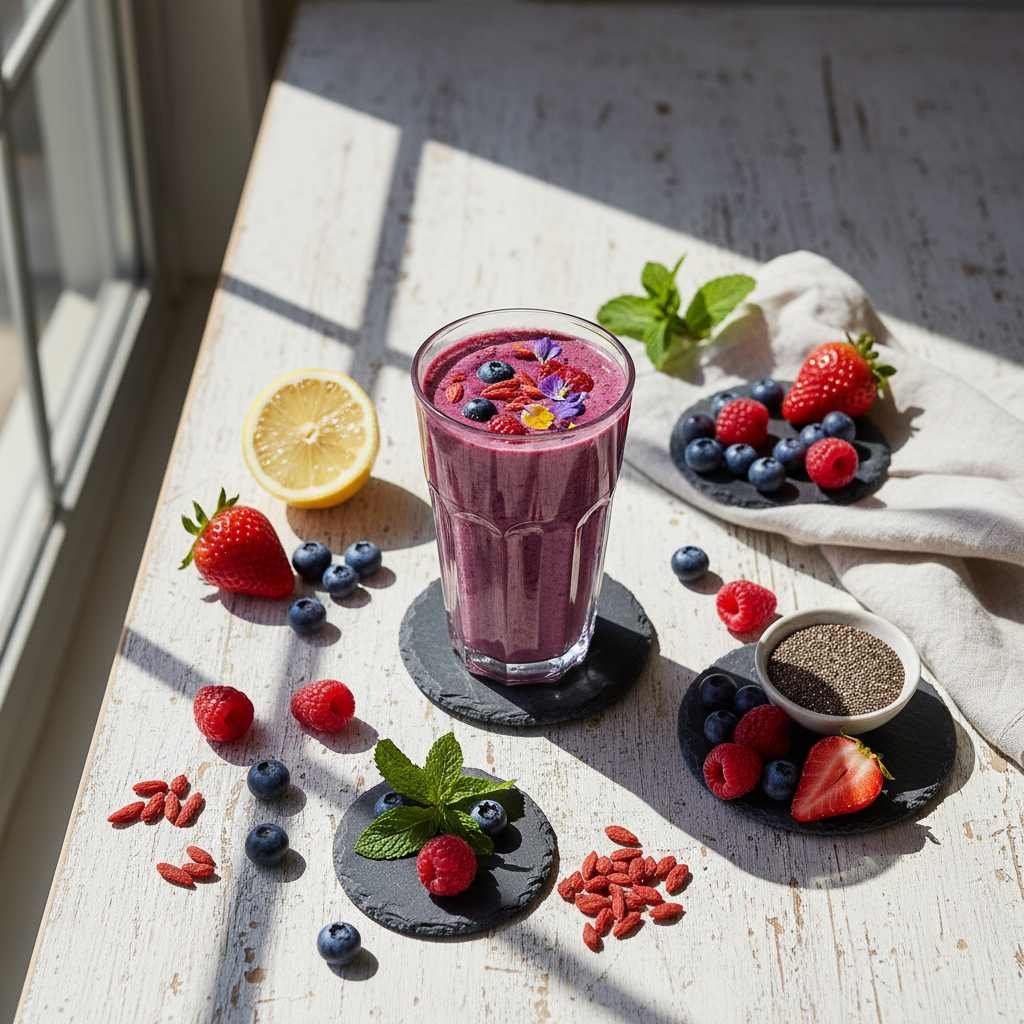 — Berries are the weight-loss diet's best friend. They're low in sugar relative to other fruits, extraordinarily high in antioxidants (specifically anthocyanins, linked to reduced inflammation and improved metabolic function), and deeply satisfying in flavor for minimal calories. This smoothie delivers all of that in a package that tastes like a treat rather than a compromise.
- Low Calorie Mixed Berry Coconut Smoothie
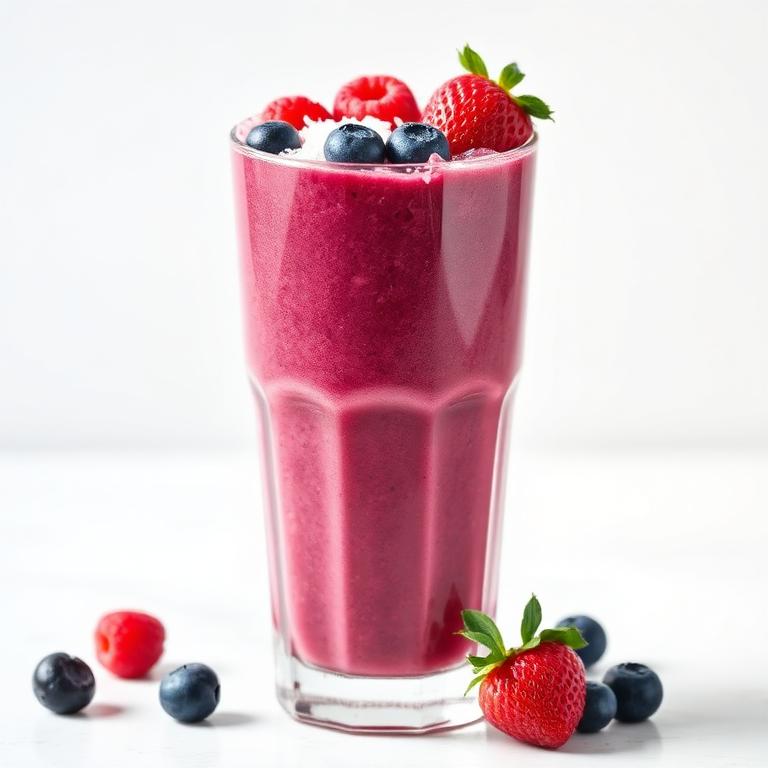 — Coconut water as the liquid base adds natural electrolytes — potassium, sodium, magnesium — that support hydration and reduce water retention. For anyone who finds plain water smoothies too thin, coconut water adds body and a subtle sweetness without meaningfully increasing caloric load.
Cluster 3: Healthy Spinach Smoothies — Daily Greens Without the Suffering
These four smoothies represent what a sustainable daily green smoothie habit actually looks like. Not a three-day juice cleanse. Not a punishment. A genuinely pleasant, nutritious drink that becomes part of your morning the way coffee does — automatic and missed when it's gone.
- Spinach Banana Green Smoothie
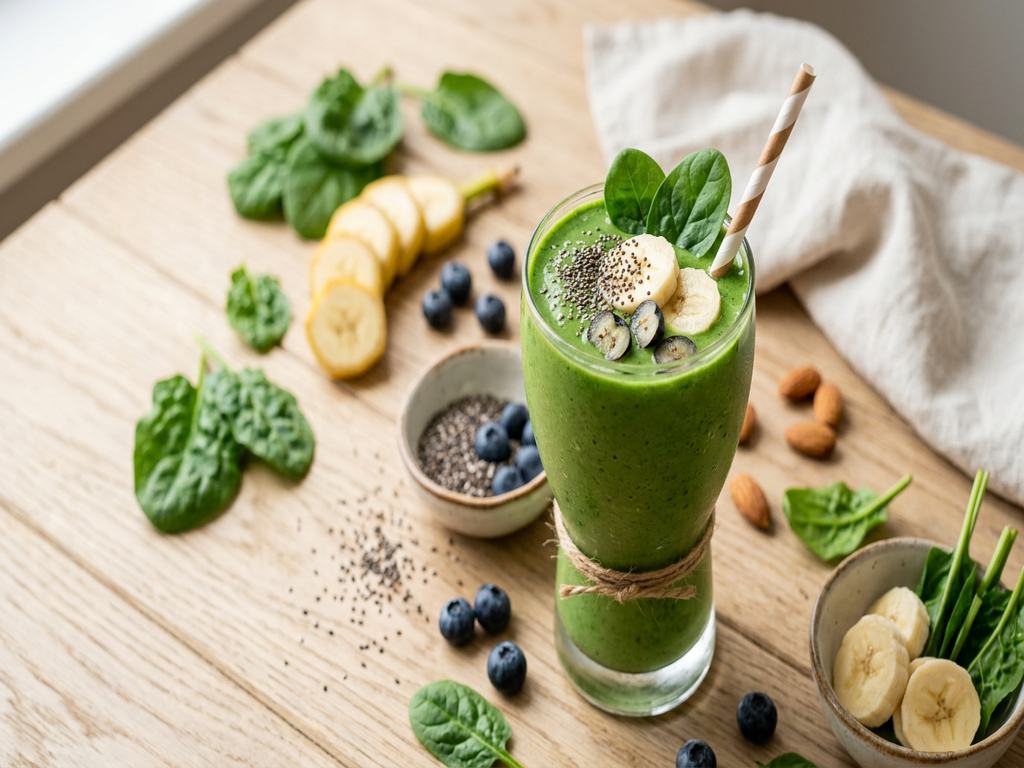 — The gateway recipe. Banana's natural sweetness completely masks spinach flavor while contributing potassium, resistant starch (when slightly underripe), and natural creaminess. If you have a family member who refuses green smoothies, start here. The color is green; the taste is banana. No argument possible.
- Spinach Mango Protein Smoothie
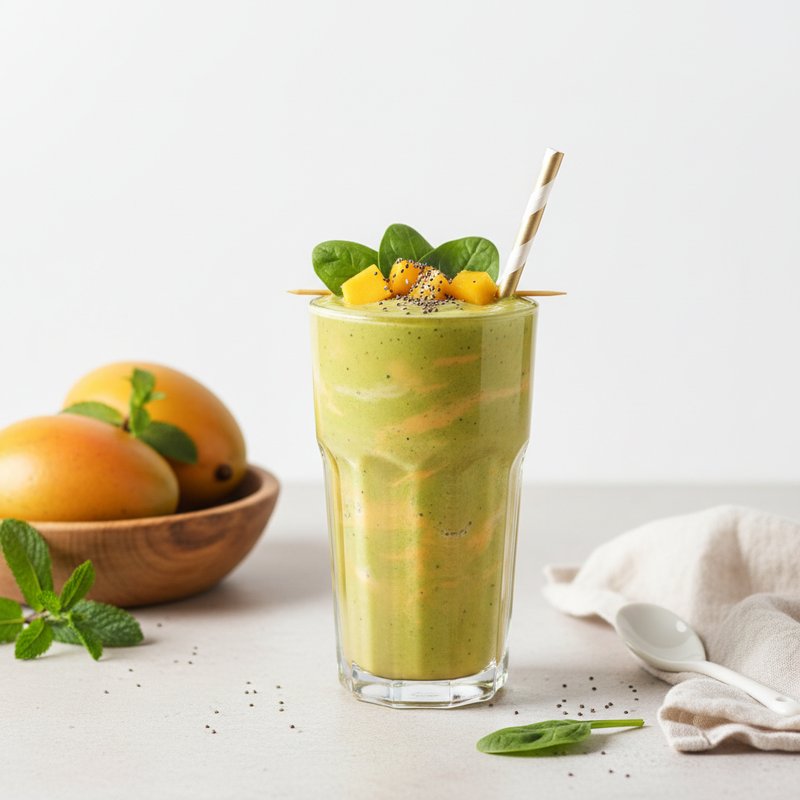 — For weight loss specifically, adding protein to smoothies is one of the most impactful things you can do. Protein extends satiety significantly further than carbohydrate or fat calorie-for-calorie. This smoothie combines mango's tropical sweetness with spinach and a protein source — Greek yogurt, halal protein powder, or hemp seeds — for a breakfast that carries you through to lunch without the 10am hunger crash.
- Spinach Pineapple Detox Smoothie
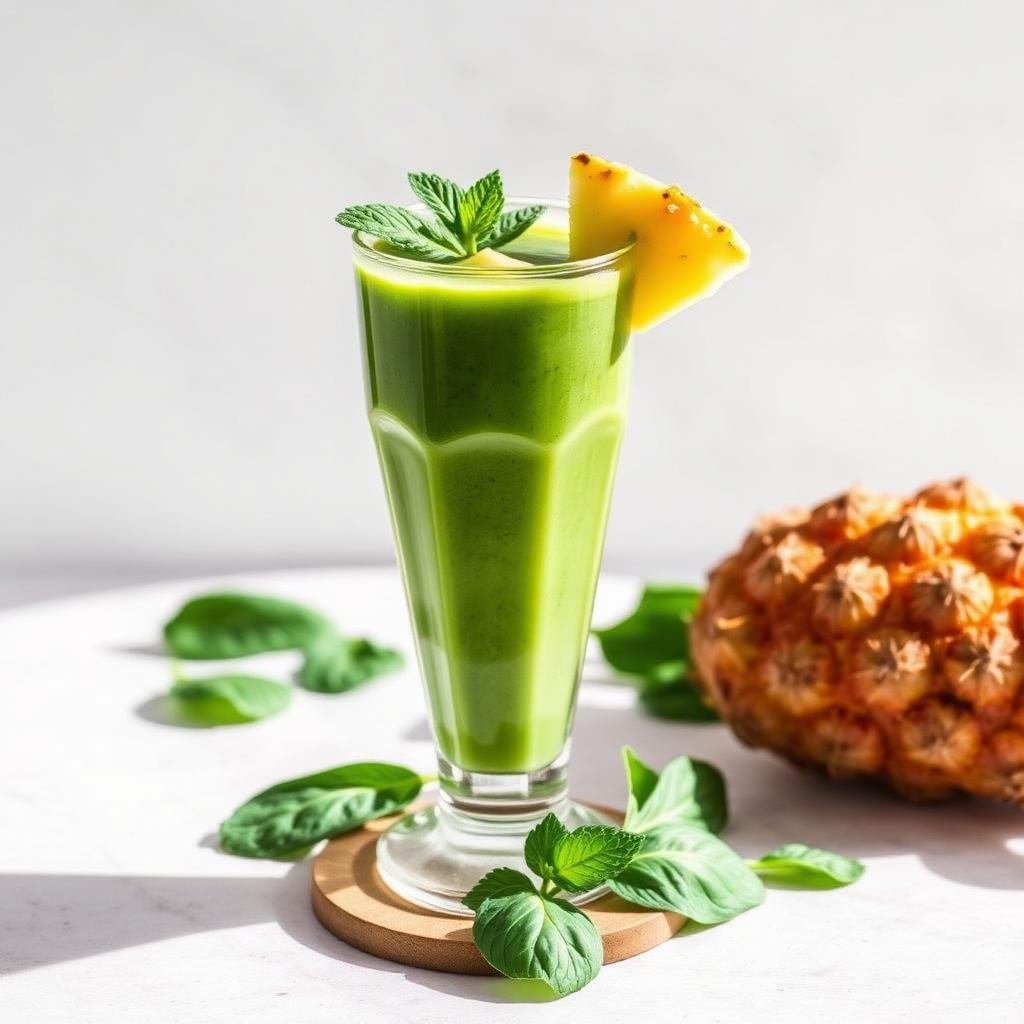 — "Detox" is overused to the point of meaninglessness in wellness marketing, so let me be specific about what this smoothie actually does: pineapple's bromelain enzyme supports digestion and reduces bloating; spinach's chlorophyll and magnesium support liver function; ginger (if included) reduces inflammation and settles the digestive system. It won't reverse three days of bad eating, but it genuinely helps you feel lighter and more comfortable, which is a real and valuable thing.
- Strawberry Banana Protein Smoothie
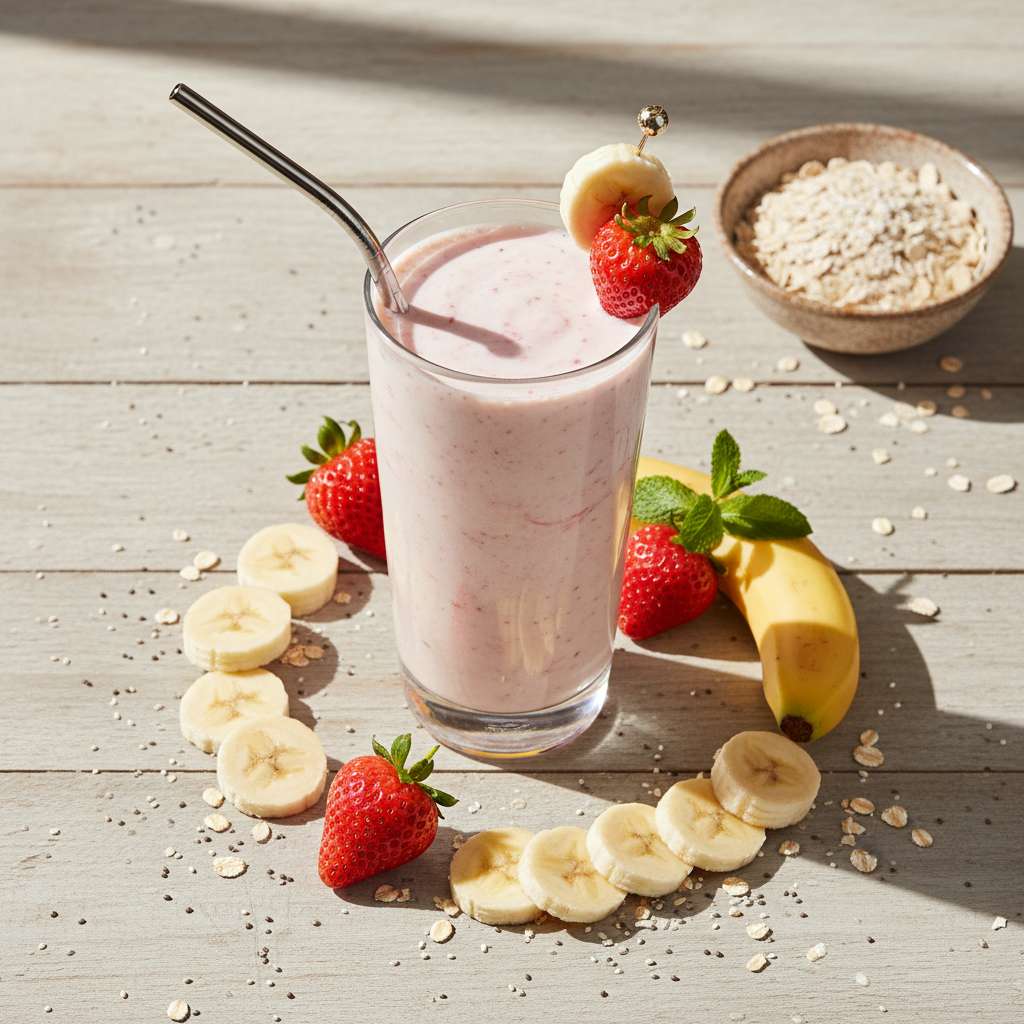 — The smoothie that doesn't taste like it belongs in a weight loss plan but absolutely does. Strawberries are low in sugar, high in vitamin C, and rich in ellagic acid — a polyphenol associated with fat metabolism in several research studies. The banana-strawberry combination is so universally appealing that this works as a family breakfast regardless of whether everyone is watching their intake.
Cluster 4: Low-Calorie Desserts & Puddings — The Permission You've Been Waiting For
This is the cluster that makes a halal weight loss plan actually sustainable, and I'll argue for it strongly: you do not need to eliminate dessert to lose weight. You need to make better desserts.
Deprivation is not a strategy — it's a countdown to a binge. Building genuinely satisfying, low-calorie sweet options into your week is one of the most evidence-based approaches to long-term dietary adherence. These six recipes give you exactly that.
- Chocolate Protein Pudding
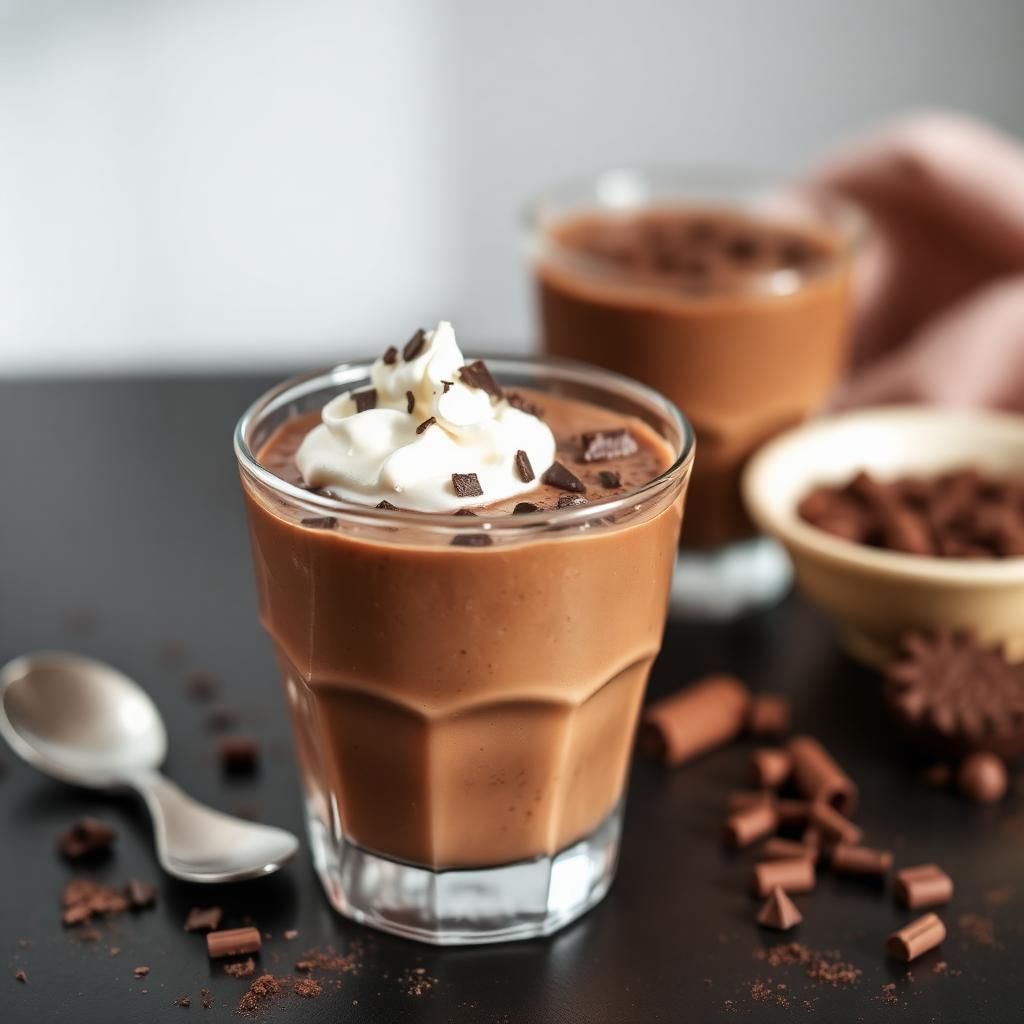 — Chocolate pudding with meaningful protein content. The protein slows the glycemic impact of the natural sugars, extends satiety, and supports muscle retention during a deficit. It also tastes like chocolate pudding, which is the point.
- Chocolate Banana Protein Pudding
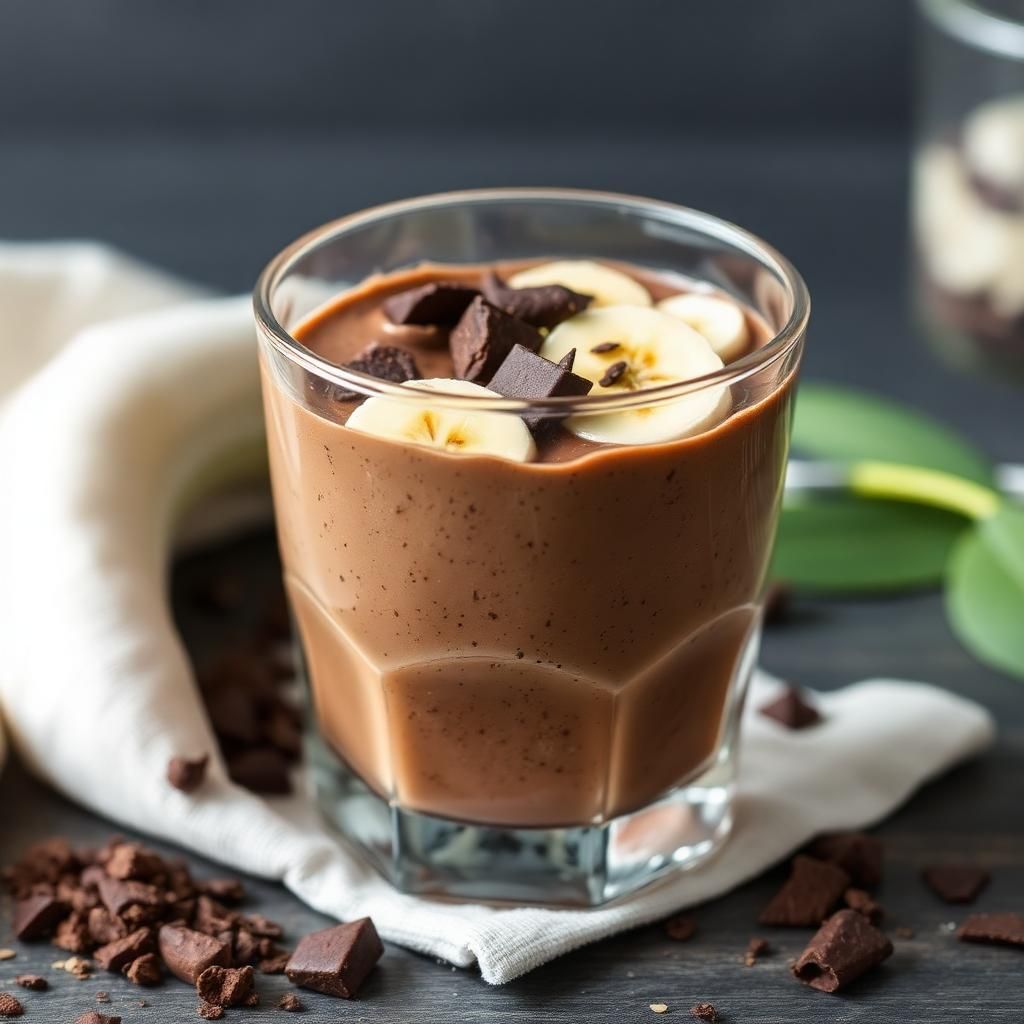 — Banana adds natural sweetness and a creamier texture while contributing potassium and resistant starch. This version is slightly more filling than the plain chocolate pudding and works well as a post-dinner dessert that prevents late-night snacking.
- Chocolate Avocado Pudding
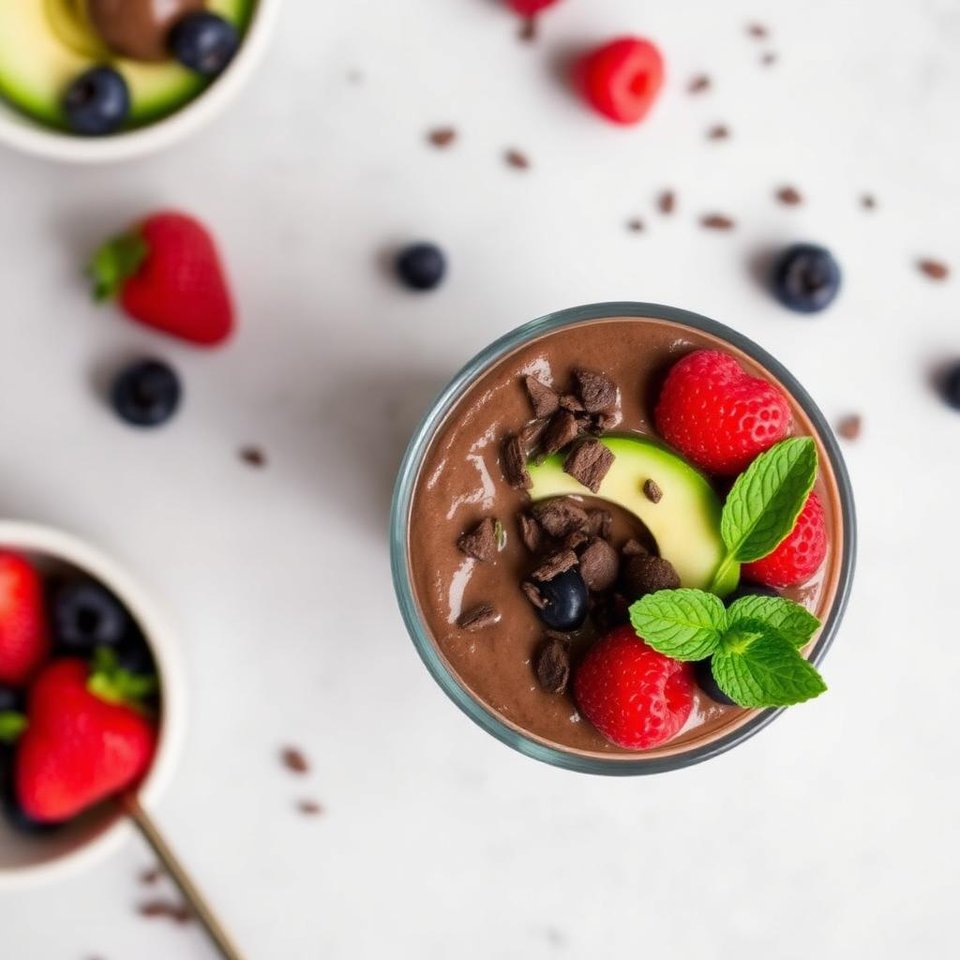 — 160 calories, 3g protein. The most elegant recipe in the dessert cluster. Blended avocado creates a silky, mousse-like texture that sets in the refrigerator beautifully. The avocado flavor is completely absent — all you taste is chocolate and sweetness. The monounsaturated fats from avocado slow digestion, meaning this dessert actually extends your satiety rather than triggering more hunger the way sugar-heavy desserts typically do.
- Strawberry Banana Chia Pudding
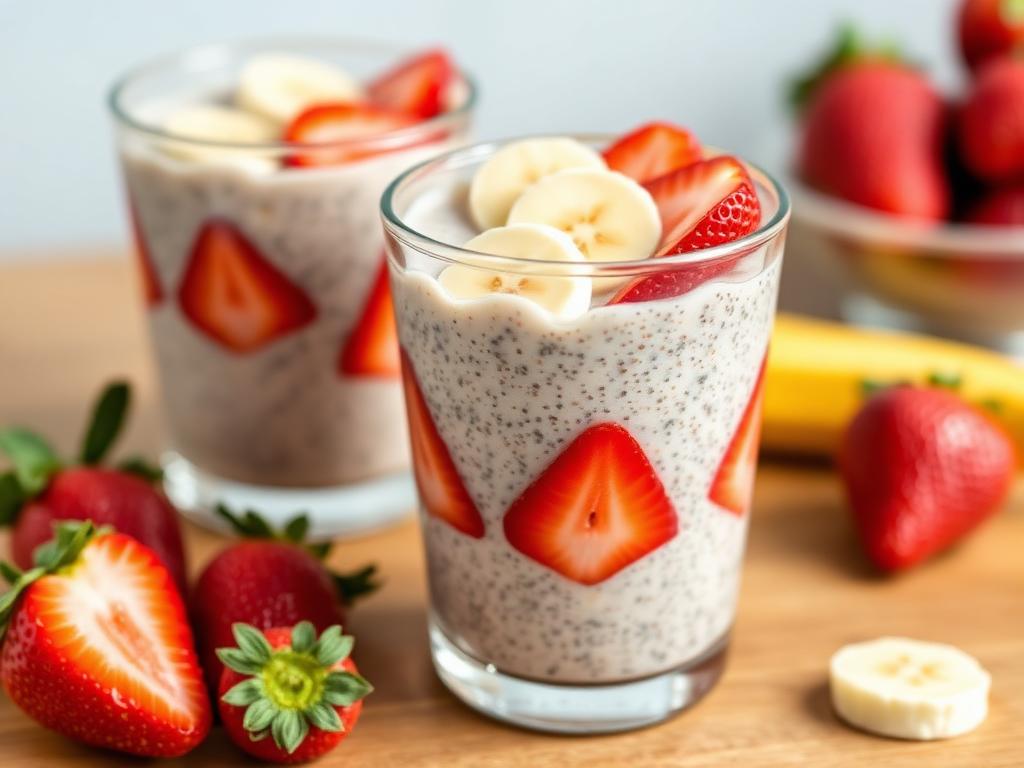 — Chia seeds are one of the genuinely impressive functional foods in the weight loss context. They absorb up to 10–12 times their weight in water, forming a gel that expands in your stomach and dramatically extends the feeling of fullness. Two tablespoons of chia seeds contain 5g of fiber and 3g of protein for about 140 calories. Prepare this the night before and breakfast is waiting for you in the refrigerator.
- Blueberry Yogurt Bark
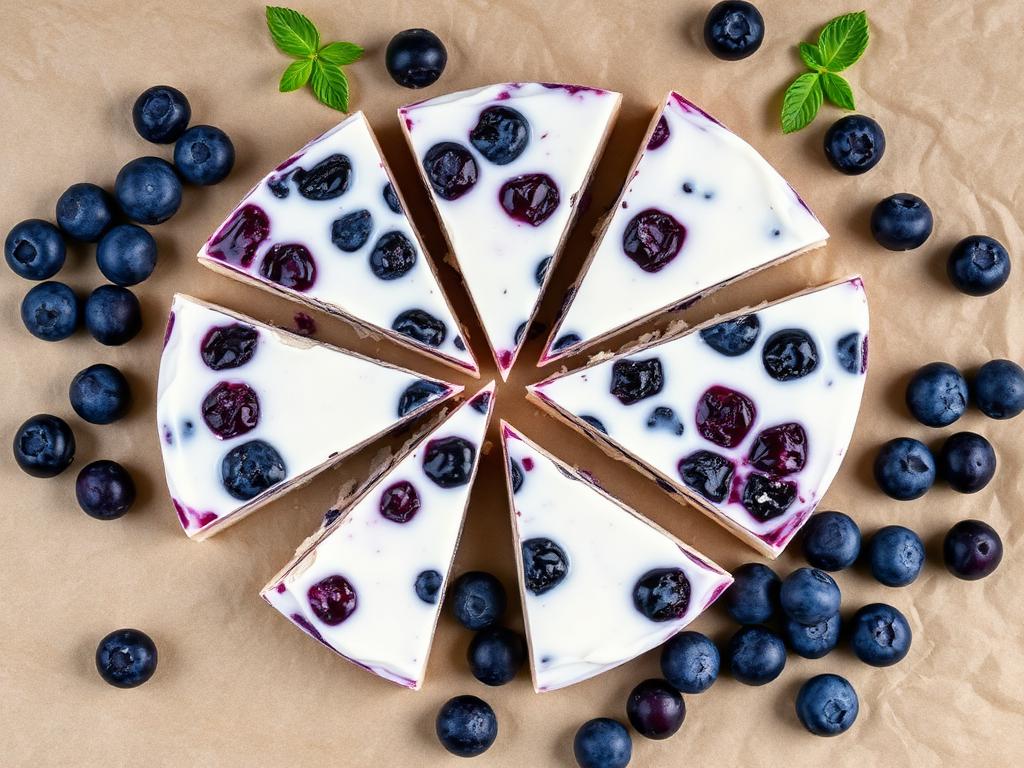 — Frozen Greek yogurt with blueberries broken into bark pieces. Keep a batch in the freezer and you have a genuinely satisfying frozen dessert available at all times with a fraction of the calories of ice cream. Blueberries are among the highest-antioxidant foods per calorie of any fruit. The yogurt contributes calcium, probiotics, and protein.
- Strawberry Yogurt Bark
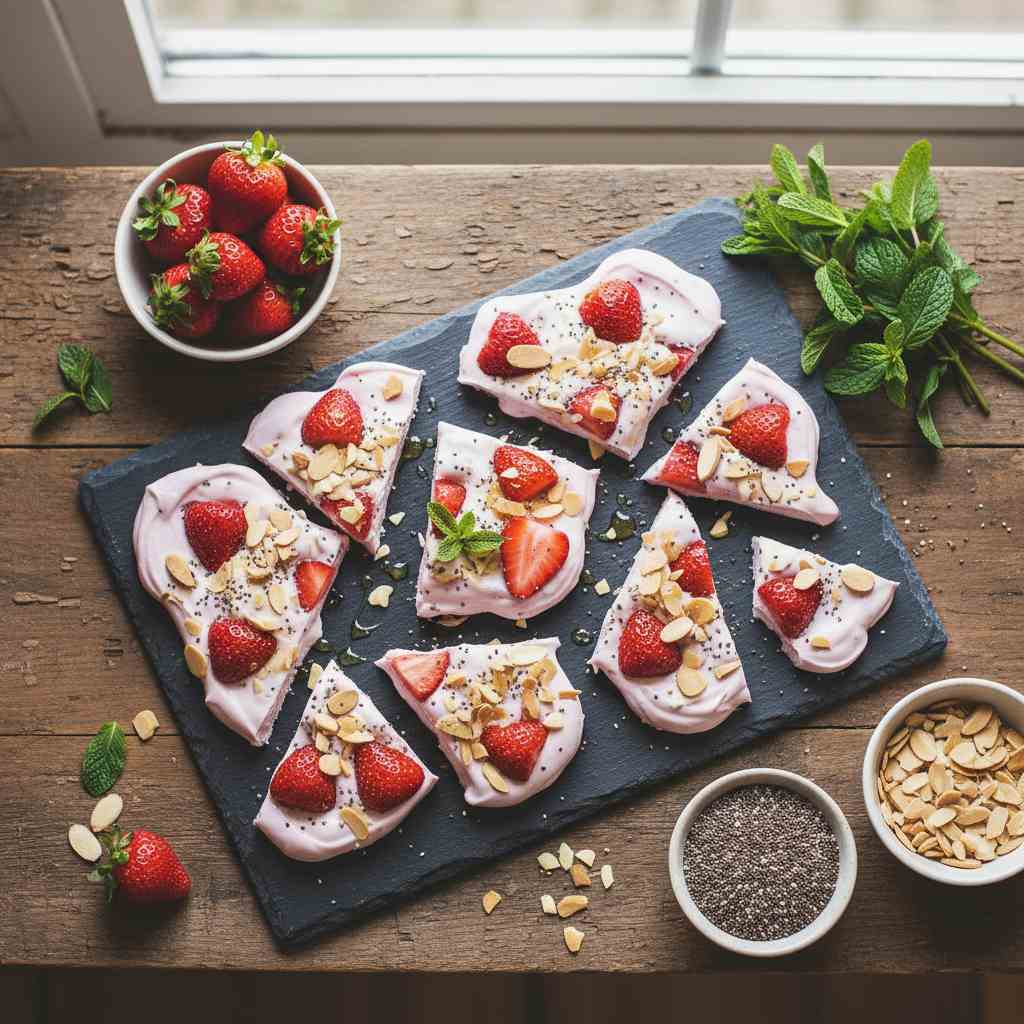 — The strawberry version of the bark above. Make both at the same time — the freezer space they require is minimal and having variety prevents dessert boredom. These are especially good in summer when cold desserts feel necessary rather than optional.
Cluster 5: Plant-Based Protein — Chickpeas, Lentils & Legumes
The protein conversation in halal weight loss typically centers on meat, which makes sense given halal culinary traditions. But legumes — chickpeas and lentils especially — are among the most powerful weight loss foods available, and they're underused in most halal households outside of specific cultural contexts.
Here's why they matter: legumes provide protein and fiber simultaneously. A cup of cooked lentils contains 18g of protein and 16g of fiber for around 230 calories. Fiber slows gastric emptying, stabilizes blood sugar, feeds beneficial gut bacteria, and creates a feeling of fullness that lasts hours. No animal protein required.
- Chickpea & Avocado Smash Toast — Avocado toast got a meaningful upgrade. Smashed chickpeas add plant protein and fiber to what's already a satisfying, healthy-fat-rich meal. This is a lunch that holds you through the afternoon without a 3pm energy crash.
- Roasted Chickpea Wrap with Tzatziki — Roasted chickpeas get surprisingly meaty in texture when oven or air-fried — crispy on the outside, tender inside. Combined with creamy tzatziki (halal yogurt-based), fresh vegetables, and flatbread, this wrap is a full meal that's satisfying enough for the most protein-skeptical members of your household.
- French Lentil Salad with Mustard Dressing
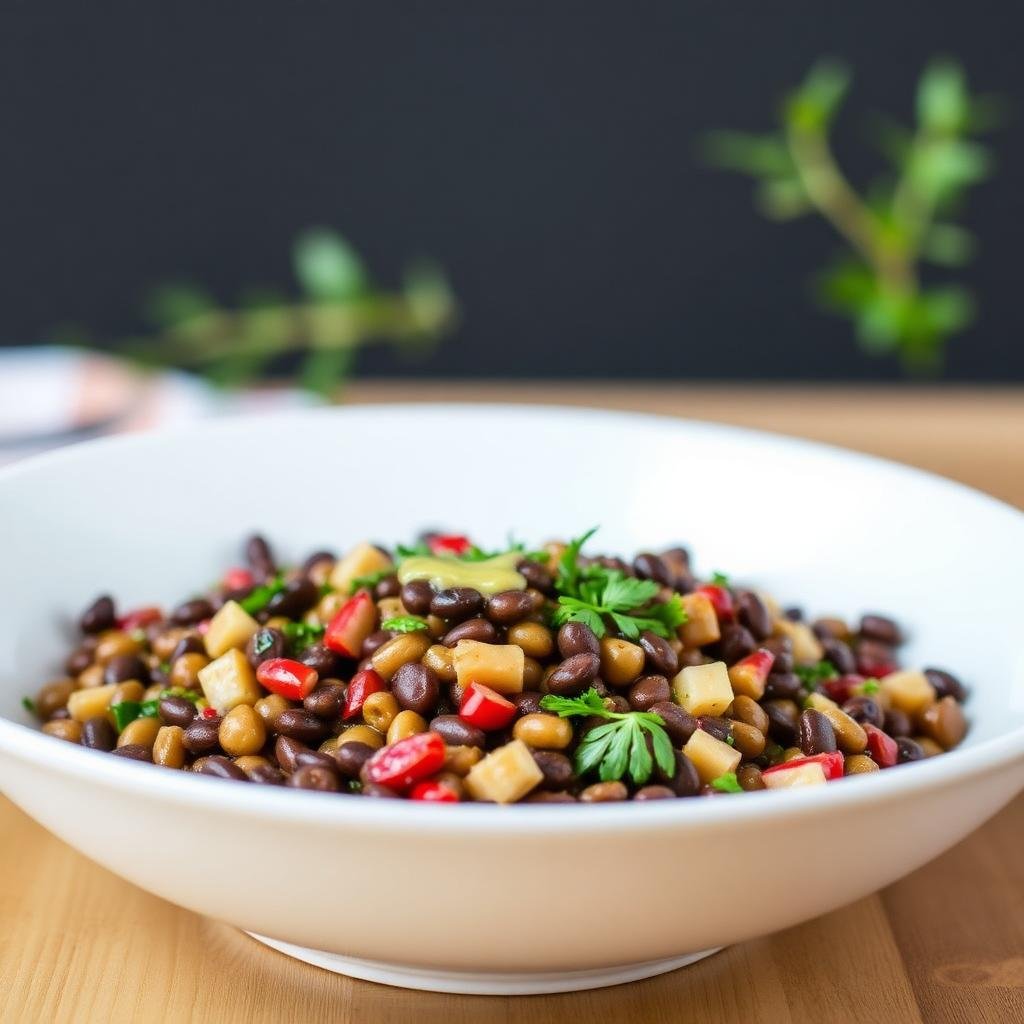 — French (Puy) lentils hold their shape after cooking, making them ideal for salads. This recipe is a genuine revelation if you've never had lentils prepared in a European style — the mustard vinaigrette is sharp and complex, the lentils are earthy and substantial, and the whole thing is genuinely satisfying cold.
- Green Lentil & Pomegranate Salad — Pomegranate arils add sweetness, crunch, and anthocyanin-rich antioxidants to an otherwise savory lentil salad. This is the salad you serve when you want to impress people who assume salads are boring diet food. It's neither boring nor just diet food — it's a complete nutritional package that happens to be beautiful on the plate.
- Sprouted Lentil Salad — Protein Packed — Sprouted lentils are a meaningful nutritional upgrade from cooked lentils. Sprouting increases bioavailability of minerals, reduces phytic acid (which can inhibit mineral absorption), and adds a fresh, crunchy texture that works particularly well in salads. If you've never sprouted lentils at home, this recipe is a worthwhile introduction to a simple technique with a real nutritional payoff.
Cluster 6: High-Volume Vegetable Mains — Eat More, Weigh Less
Volume eating is one of the most psychologically sustainable approaches to weight loss. The principle is straightforward: foods with high water and fiber content deliver large physical volumes for low caloric cost, triggering stretch receptors in the stomach that signal fullness regardless of total calories consumed.
Cauliflower, zucchini, and eggplant are the holy trinity of volume eating vegetables. They're mild enough to absorb any flavor you give them, satisfying in texture, and nearly unlimited in how much you can eat within a reasonable calorie budget.
- Roasted Whole Cauliflower — Mediterranean Herbed — A whole roasted cauliflower is one of those dishes that surprises people every time. The exterior caramelizes and deepens in flavor; the interior steams in its own moisture and becomes almost creamy. Dressed with Mediterranean herbs, lemon, and olive oil, this is a centerpiece dish that happens to be very low in calories.
- Cauliflower Fried Rice with Peas & Carrots — The most effective low-carb substitution in this entire collection, because cauliflower rice genuinely mimics rice texture in a stir-fry context in a way that nothing else does. A full serving has roughly 150 fewer calories than regular fried rice. Over a week of regular lunches, that's a significant caloric difference with no sacrifice in satisfaction.
- Cauliflower & Lentil Coconut Curry — 310 calories, 14g protein. This is the recipe to cook when you need to feel completely, deeply satisfied without spending 500+ calories. Coconut milk creates richness; cauliflower and lentils create volume and substance; the curry spices — turmeric, cumin, coriander — add warmth and anti-inflammatory benefit. A full, filling bowl for 310 calories is not a diet sacrifice. It's good cooking.
- Cauliflower & Chickpea Soup — Creamy — Soup is one of the most underrated weight management tools available. Research consistently shows that consuming soup before a meal reduces total meal caloric intake by 20–30%, because the liquid volume creates early fullness signals. This creamy cauliflower and chickpea version works equally well as a starter or as a light meal in its own right.
- Grilled Paneer Salad — Mediterranean Style — Paneer is a useful protein source for halal vegetarian weight loss because it's high in protein and calcium, slow to digest, and genuinely satisfying in a way that tofu often isn't for people accustomed to dairy. Mediterranean dressing — lemon, olive oil, herbs — makes this a salad you eat because it's delicious, not because you're being disciplined.
- Zucchini Carpaccio Salad with Lemon & Herbs — Raw zucchini, shaved paper-thin, dressed with lemon, olive oil, and fresh herbs. This is the lowest-calorie recipe in the collection and one of the most elegant. It works beautifully as a starter, a side, or a light lunch alongside a protein source.
- Eggplant Caprese Stack — Grilled Vegetarian — The traditional Caprese gets an upgrade with grilled eggplant replacing bread as the base. Eggplant is rich in nasunin, an antioxidant in the purple skin associated with brain cell protection, and contributes excellent fiber for its caloric cost. Layered with fresh mozzarella (halal-verified), tomato, and basil, this is a dinner that feels like a restaurant meal.
A Realistic Halal Weight Loss Day Using These Recipes
Here's what a genuinely sustainable eating day looks like when you build it from this collection:
Breakfast — Spinach Mango Protein Smoothie or Low Calorie Green Apple Kale Smoothie. Fast to make, high in protein, starts the day with real micronutrients. Approximately 200–280 calories.
Lunch — Keto Chicken Broccoli or Roasted Chickpea Wrap with Tzatziki or French Lentil Salad. Real, substantial lunch that holds through the afternoon. 300–400 calories.
Snack (if needed) — Blueberry Yogurt Bark or a handful of the roasted chickpeas. 100–150 calories.
Dinner — Cauliflower & Lentil Coconut Curry or Keto Salmon Patties or Keto Beef Zucchini. Satisfying, dinner-worthy meal. 300–380 calories.
Dessert — Chocolate Avocado Pudding or Strawberry Chia Pudding. 150–200 calories.
Total: approximately 1,100–1,400 calories. For most adults, this represents a meaningful caloric deficit without hunger, without deprivation, and without eating anything that feels like punishment.
The One Thing That Makes or Breaks a Halal Weight Loss Plan
It's consistency, not perfection.
The halal diet already asks you to think deliberately about your food. You read labels. You ask questions at restaurants. You make choices based on values, not just convenience. That habit of intentionality is actually a significant advantage in a weight loss context — people who are already thinking about what they eat are better positioned to make systematic changes than people eating entirely on autopilot.
Use that foundation. Build a recipe rotation from the clusters above. Meal prep on Sundays. Keep the yogurt bark in the freezer for the moments when you want something sweet. Have the chia pudding ready in the refrigerator for the mornings when you'd otherwise skip breakfast.
Weight loss built on food you actually want to eat, within a halal framework you already believe in, is weight loss that actually lasts.
All recipes on Nutryio are halal-certified, whole-food based, and include complete nutritional information. Browse the full recipe library at nutryio.fit/recipes.