
What Is the Keto Diet — And Why Should You Care?
The ketogenic diet is a high-fat, moderate-protein, very low-carbohydrate eating pattern. When you drastically cut carbs (typically below 50g per day), your body runs out of its preferred fuel source — glucose — and shifts into a metabolic state called ketosis. In ketosis, your liver converts fat into ketone bodies, which your brain and muscles then use for energy.
This isn't just a trendy diet hack. The ketogenic diet has been studied in clinical settings for decades, originally as a treatment for epilepsy. Its metabolic benefits have since been explored in the context of type 2 diabetes management, weight loss, cardiovascular risk factors, and cognitive function.
Here's why it works for so many people:
1. It naturally reduces appetite. Protein and fat are significantly more satiating than refined carbohydrates. When you're eating keto, you tend to eat less without consciously trying to.
2. It accelerates fat loss. By depleting glycogen stores and triggering ketosis, your body becomes efficient at burning body fat for fuel — including during rest.
3. It stabilizes blood sugar. Cutting carbs dramatically flattens the blood sugar roller coaster that causes energy crashes, cravings, and — over time — insulin resistance.
4. It preserves muscle mass. Thanks to adequate protein intake, many people on keto maintain or even build lean muscle while losing fat — which is rare in conventional calorie-restricted diets.
5. It improves mental clarity. Many people report sharper focus and more consistent energy levels on keto. Ketones are a clean fuel for the brain, and without the glucose spikes and crashes, cognitive performance often improves.
My honest opinion: Keto isn't magic, and it's not for everyone. It requires genuine commitment, especially in the first 1–2 weeks (often called the "keto flu" phase). But for people who struggle with portion control, constant hunger, or blood sugar issues, it's genuinely one of the most effective dietary frameworks I've come across.
Keto and Halal: A Natural Fit
One thing that doesn't get discussed enough is how well the ketogenic diet aligns with halal eating principles. The keto diet is built around whole proteins, healthy fats, and vegetables — foods that are naturally halal. You're not navigating a landscape of processed packaged foods loaded with hidden haram ingredients. You're working with fresh meat, fish, eggs, olive oil, avocado, leafy greens, and low-carb vegetables.
That said, a few things are worth keeping in mind:
- Protein sources must be halal-certified. This applies to meat and poultry especially. Always verify that beef, chicken, turkey, and lamb carry a trusted halal certification. Fish and seafood are generally considered halal across most schools of Islamic jurisprudence.
- Check labels on packaged items. Sauces, spices, and dressings can sometimes contain alcohol-based extracts or non-halal additives. Stick to certified products or make your own.
- Lard and pork-derived products — which occasionally appear in Western keto recipes as cooking fats — are obviously off the table. Excellent substitutes include ghee, avocado oil, coconut oil, and olive oil.
The recipes in this guide are built with all of this in mind. Every recipe uses halal-friendly ingredients, and the flavor profiles draw from a range of global cuisines that feel familiar and satisfying.
How to Start Keto: A Quick Framework
Before diving into the recipes, here's a simple framework to get started:
Your daily macro targets (approximate):
- Fat: 65–75% of calories
- Protein: 20–30% of calories
- Carbs: 5–10% of calories (typically 20–50g net carbs)
Foods to eat freely: Halal beef, lamb, chicken, turkey, seafood, eggs, leafy greens, broccoli, cauliflower, zucchini, avocado, olive oil, ghee, coconut oil, nuts, seeds, full-fat dairy (if tolerated)
Foods to eliminate or minimize: Bread, rice, pasta, sugar, potatoes, sweet fruits, fruit juice, most grains, legumes (in large quantities), processed snacks
Keto-friendly vegetables to lean on: Zucchini, broccoli, cauliflower, spinach, kale, cucumber, celery, bell peppers (in moderation), mushrooms
The learning curve is real, but these 16 recipes make it much easier — they're designed to be approachable, nutritious, and genuinely delicious.
The Recipes: Organized by Protein Source
🐟 Seafood & Fish (High in Omega-3s, Quick to Cook)
Fish and shrimp are keto goldmines. They're naturally low in carbs, high in quality protein, packed with omega-3 fatty acids, and cook fast — which matters when you're meal planning.
Halal Keto Air Fryer Salmon Fillet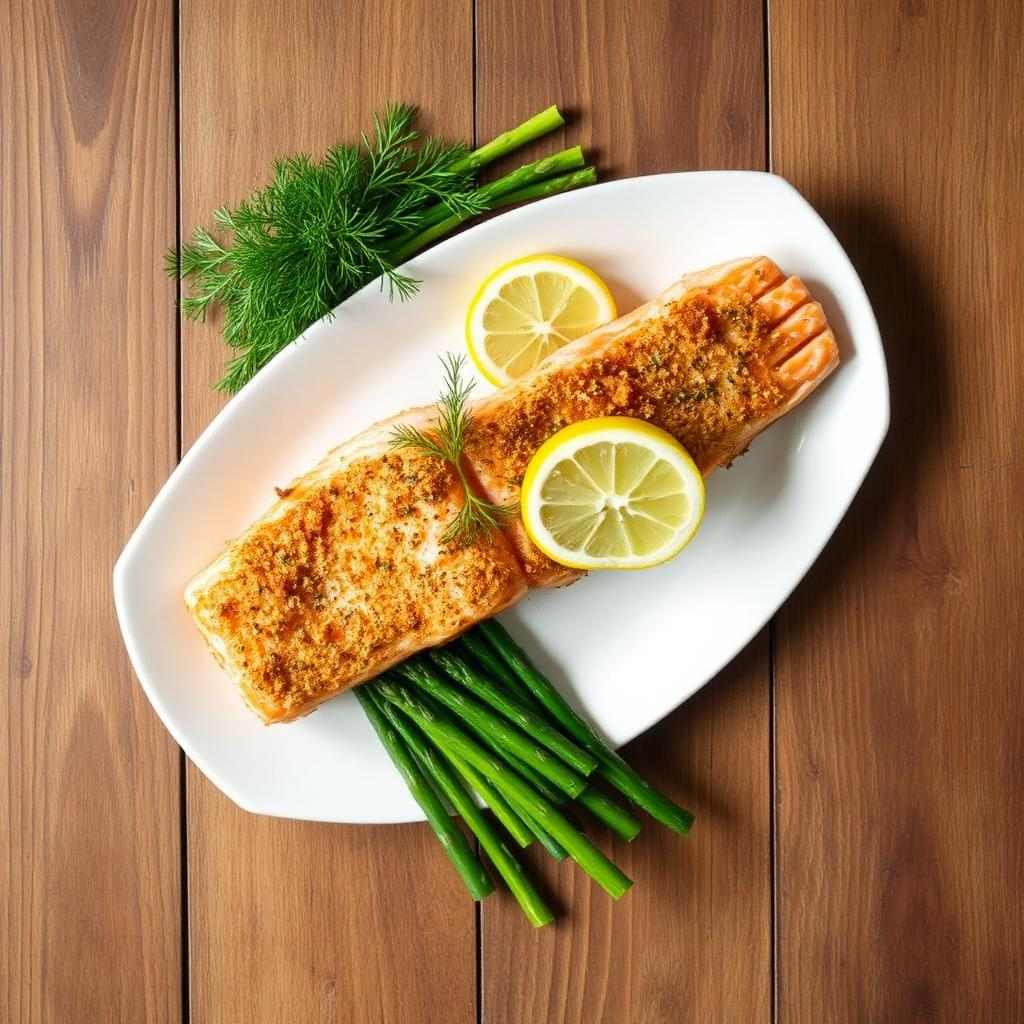
380 kcal | 34g protein | 1g carbs | 26g fat | Prep: 5 min | Cook: 12 min
This is one of my personal favorites. The air fryer is genuinely a game-changer for salmon — you get a perfectly golden exterior and a moist, flaky interior in under 15 minutes. Seasoned with smoked paprika, dill, garlic, and lemon, this is restaurant-quality cooking with minimal effort. The fat content from salmon's natural oils makes it deeply satisfying, and 34g of protein per serving means you're set for hours. If you own an air fryer and eat fish, this recipe should be in your weekly rotation.
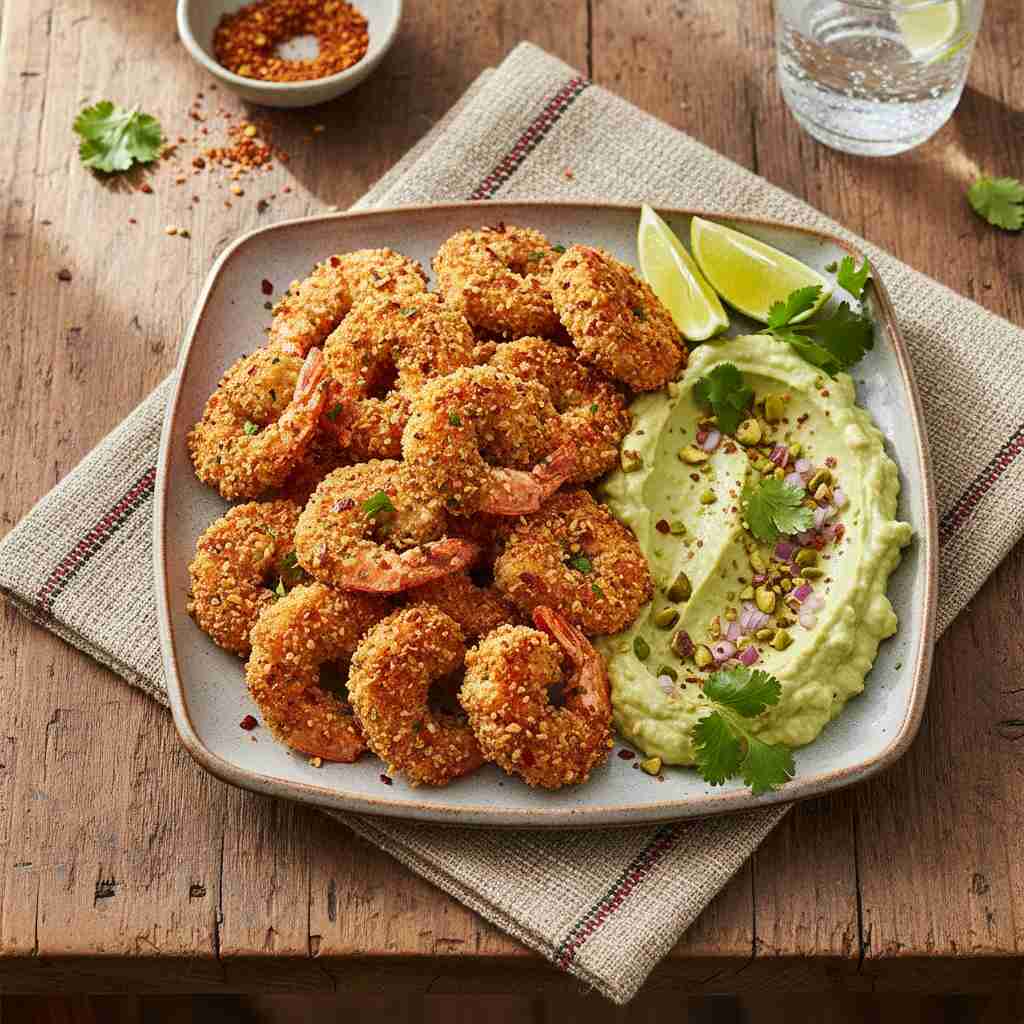
Shrimp is one of the leanest, fastest proteins you can cook on keto. In the air fryer, it takes about 8 minutes and comes out perfectly tender. High in protein, near-zero carbs, and extremely versatile — serve it over cauliflower rice, toss it in a salad, or eat it straight off the skewer.
Halal Keto Lemon Garlic Shrimp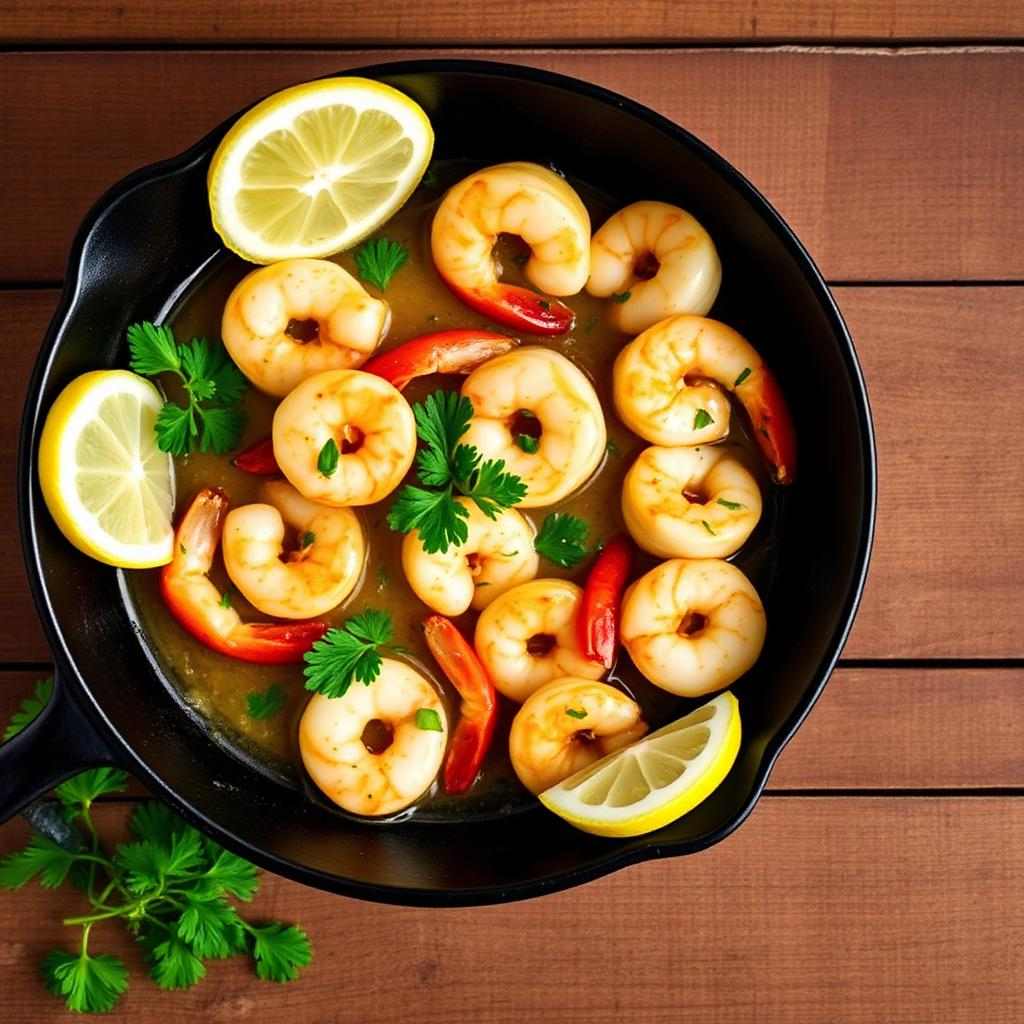
A slightly different preparation from the air fryer version — this one goes pan-to-plate in a bright, buttery lemon garlic sauce. The simplicity is deceptive; the flavor is bold and complex. This is the kind of weeknight recipe that feels special without requiring much effort. Great over zucchini noodles or alongside sautéed spinach.
Halal Keto Shrimp Zucchini Stir Fry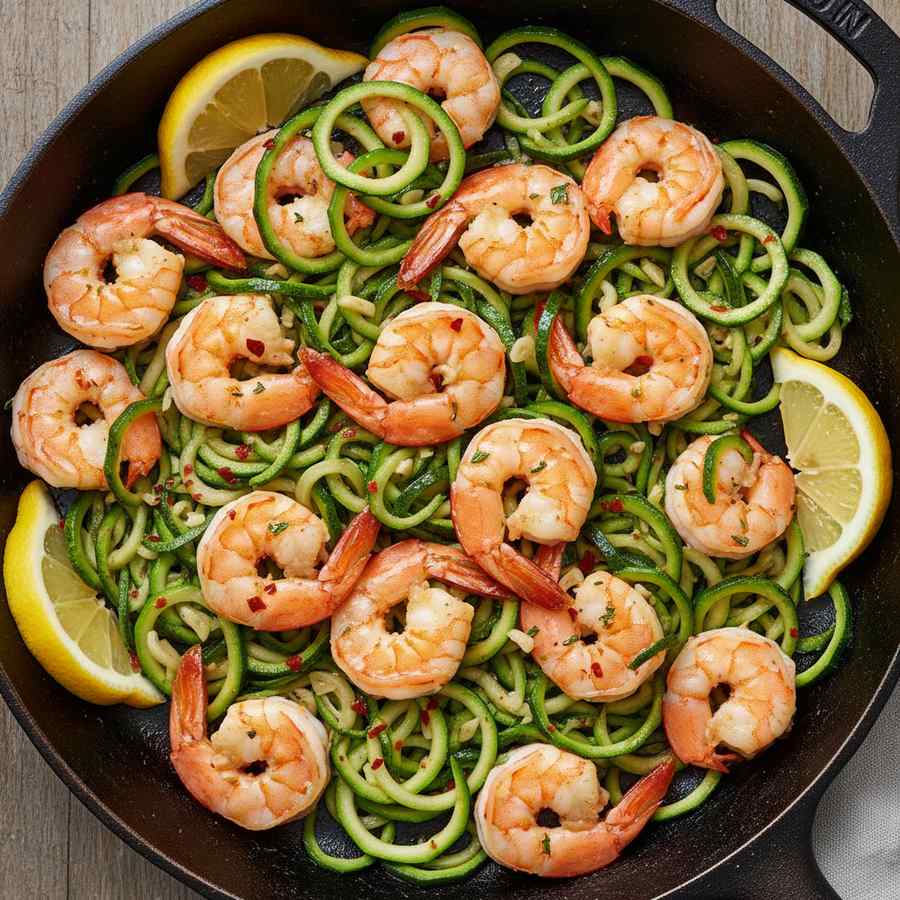
Zucchini and shrimp are a classic keto pairing — high protein, high fiber, very low carb. The stir fry format brings speed and bold seasoning together. This one hits the umami notes well and cooks in under 20 minutes. It's also a solid meal prep option since it reheats without getting soggy.
Halal Keto Baked Cod with Broccoli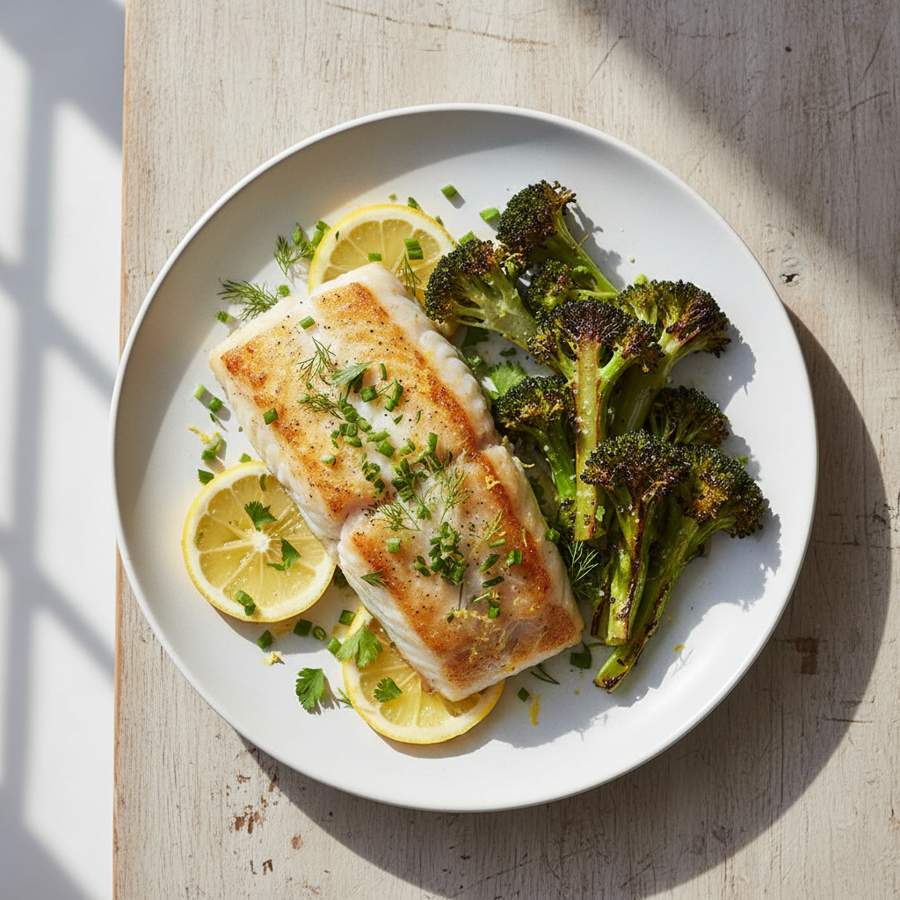
Cod is one of the most underrated keto proteins. It's incredibly lean, mild in flavor (perfect for those who aren't huge fish fans), and takes on seasoning beautifully. Paired with roasted broccoli — one of the best keto vegetables for fiber, vitamins C and K, and antioxidants — this is a complete, balanced meal in one pan. The simplicity makes it ideal for beginners.
Halal Keto Salmon Avocado Salad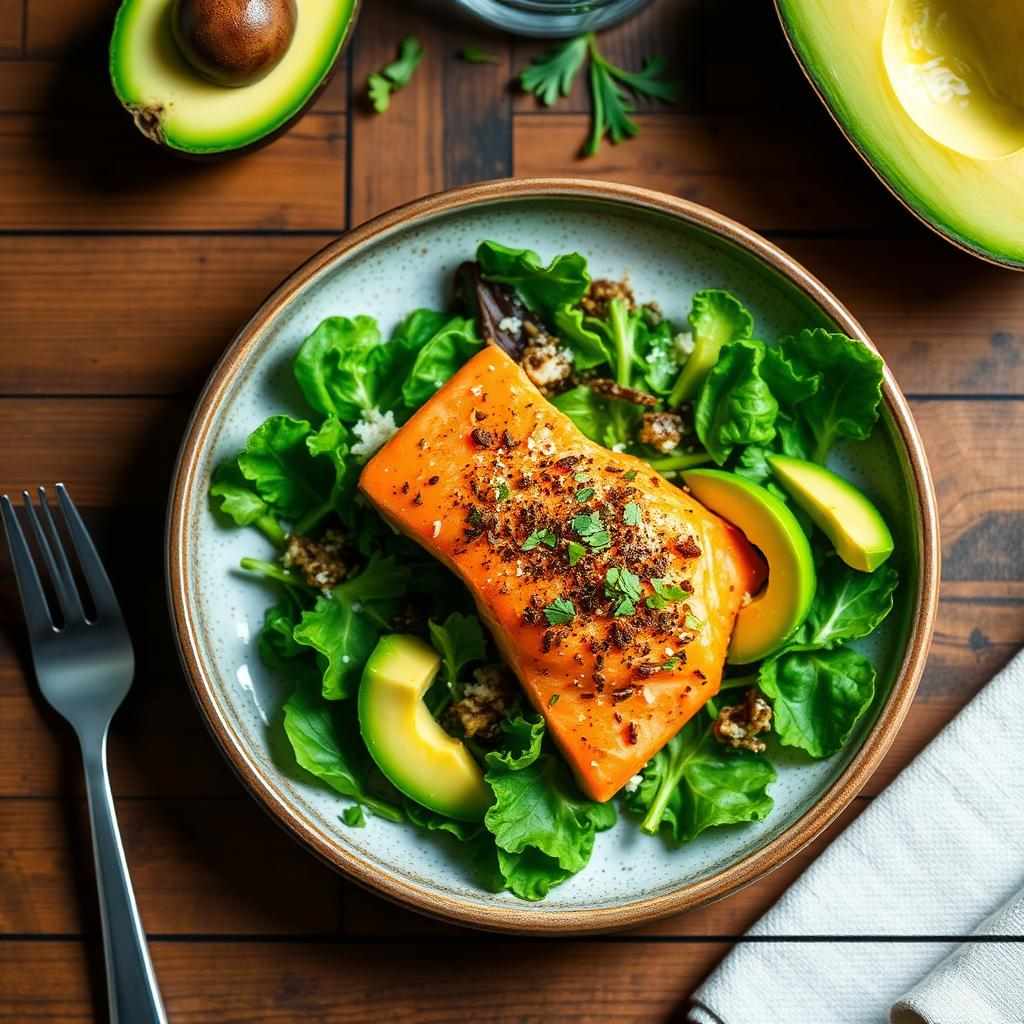
This is your no-cook option — perfect for summer, meal prep days, or whenever you want something light and fresh. Salmon and avocado are one of the best fat combinations in the keto world: omega-3s from the fish, monounsaturated fats from the avocado, and a creamy texture that makes every bite satisfying. This salad is also rich in potassium and magnesium — two electrolytes keto dieters often need to supplement.
🥩 Beef (Satiating, Iron-Rich, Full-Flavored)
Halal beef is a cornerstone of keto eating. It's calorie-dense, deeply satisfying, and loaded with nutrients like iron, zinc, B12, and creatine. These beef recipes prove you don't need carbs to make a meal feel complete.
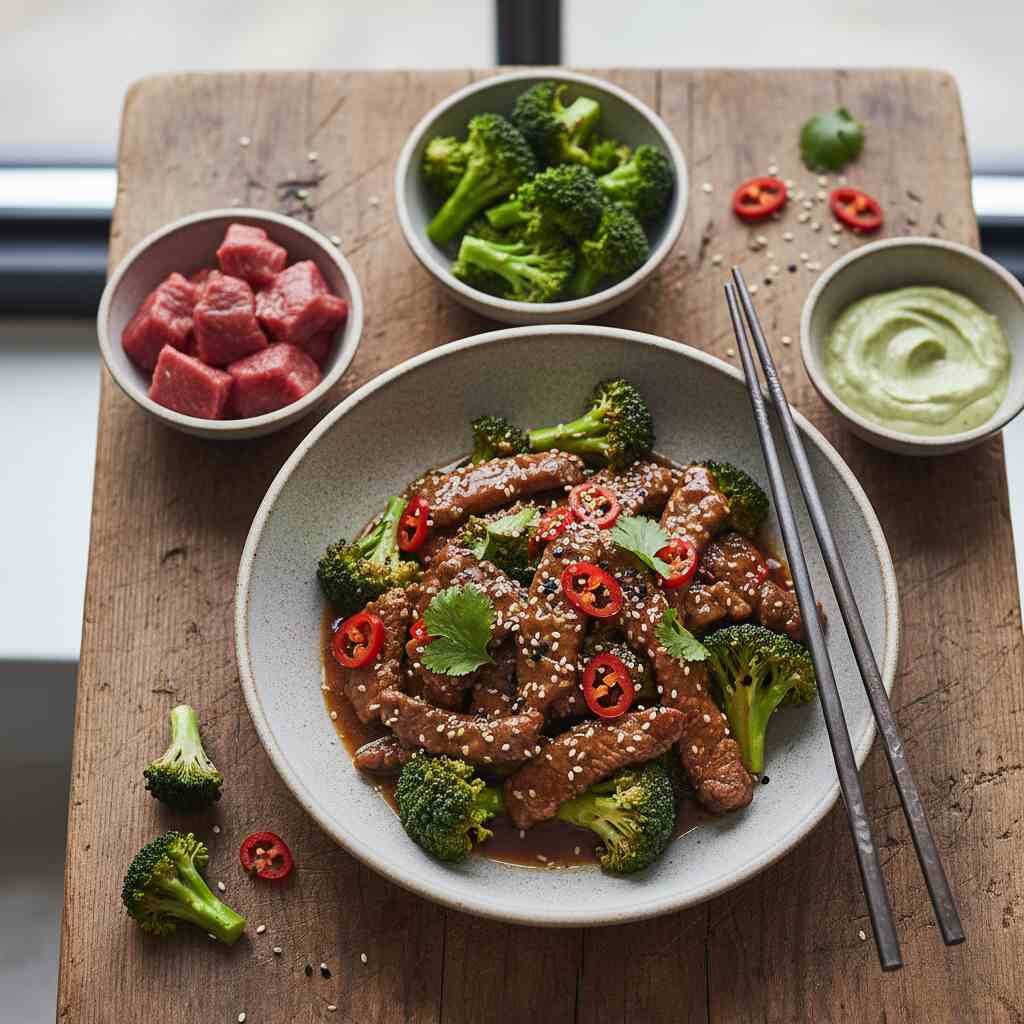
Think of this as your halal keto answer to takeout. Tender sliced halal beef in a savory sauce over steamed broccoli — it delivers that Chinese-American flavor combination without any of the sugar or starch. The sauce can be made with coconut aminos or halal-certified soy sauce for a clean result. High protein, extremely filling, and fast enough for a weeknight.
Halal Keto Beef Zucchini Boats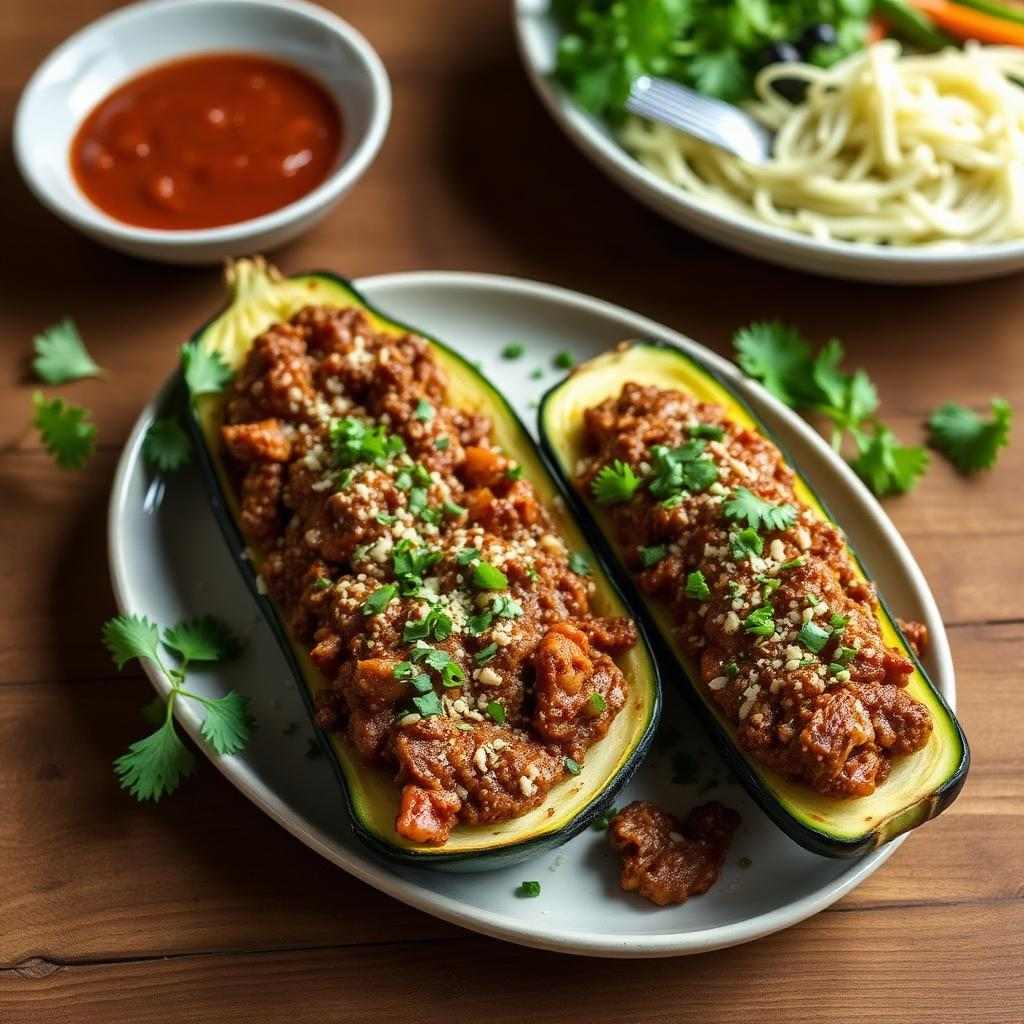
Zucchini boats are a keto classic for a reason. Hollowed zucchini halves stuffed with spiced ground beef, then baked until tender — it's comfort food without the carb guilt. These are also a great option if you're cooking for a family with mixed dietary preferences; the presentation is impressive enough to pass as a dinner party dish. Meal prep friendly and holds well in the fridge for 3–4 days.
🍗 Chicken (Lean, Affordable, Endlessly Versatile)
Halal chicken is arguably the most versatile protein in the keto kitchen. It takes on spices and marinades beautifully, cooks quickly, and works in salads, casseroles, stir fries, and standalone dishes.
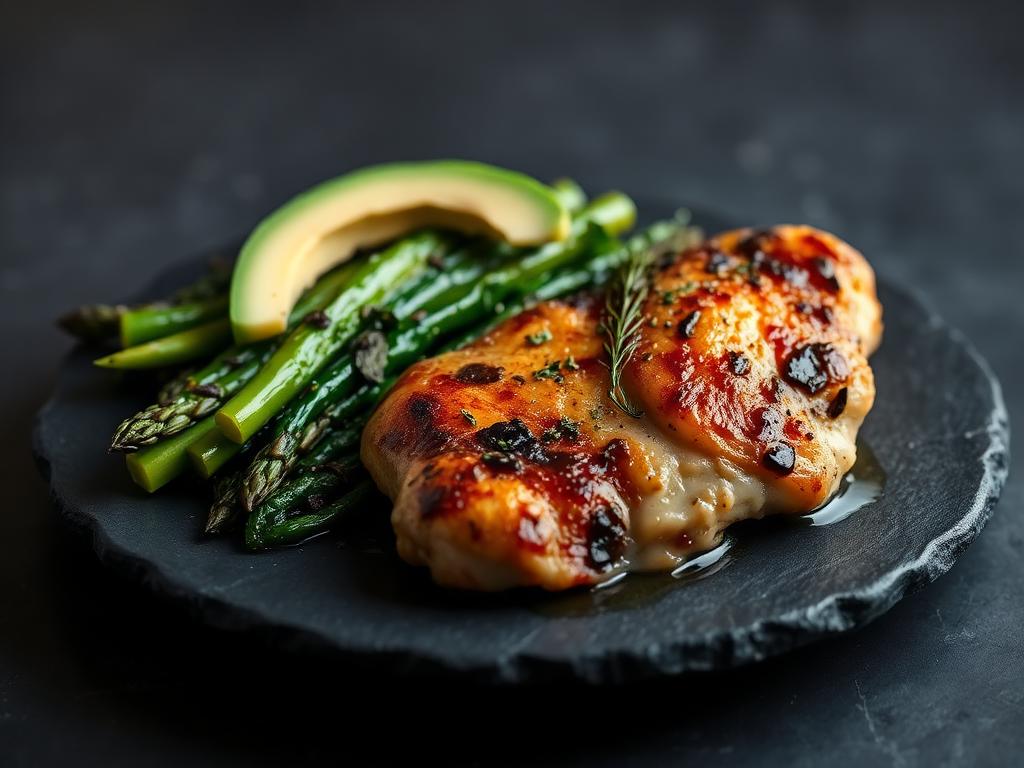
Here's my honest opinion: chicken thighs are better than chicken breast for keto. The higher fat content keeps them moist, flavorful, and more satisfying. This recipe lets the thighs shine with simple seasoning and proper technique. Crispy skin, juicy interior, minimal effort. If you're new to keto cooking, start here.
Halal Easy Keto Lemon Herb Chicken Thighs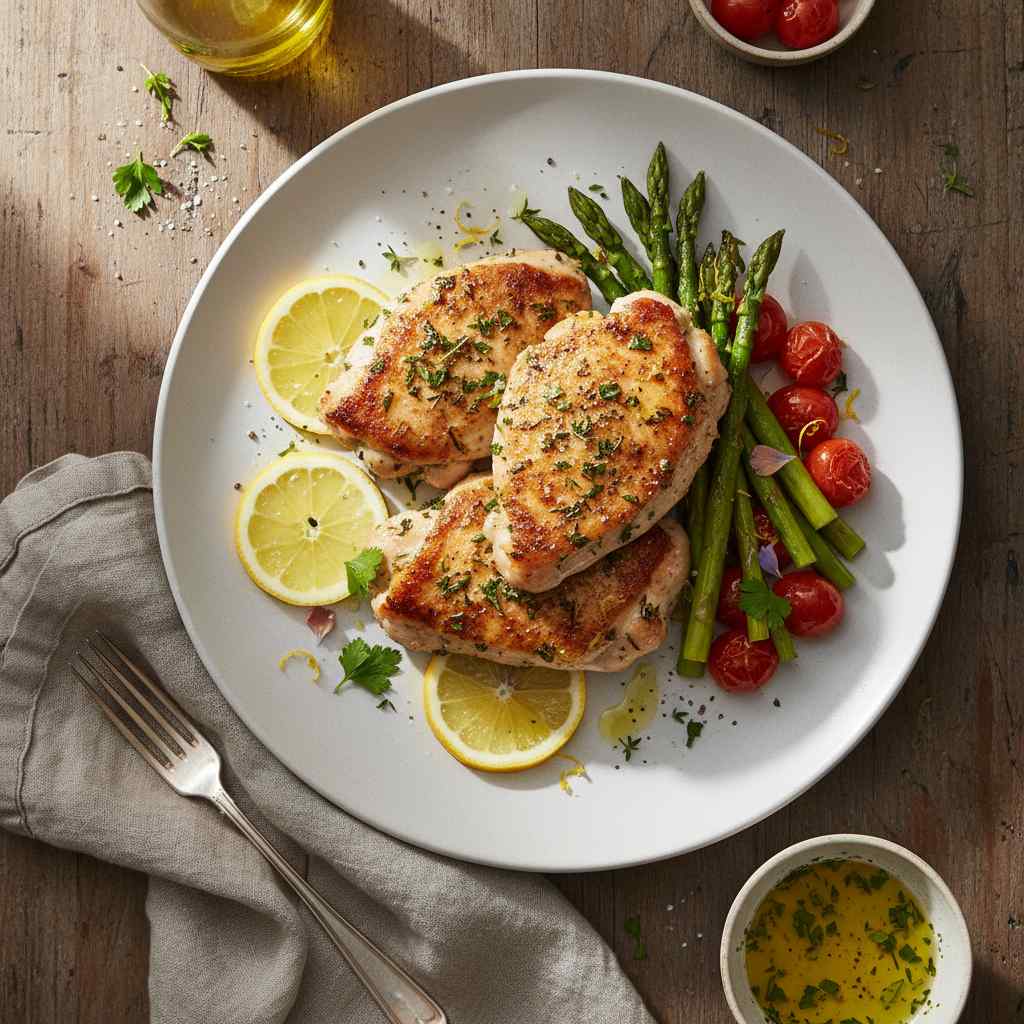
A bright, herby variation on the classic chicken thigh that brings Mediterranean energy to your table. Lemon, garlic, rosemary, and thyme create an aromatic crust that makes the kitchen smell incredible while it cooks. Light enough for a weekday lunch, impressive enough for guests.
Halal Keto Grilled Chicken Salad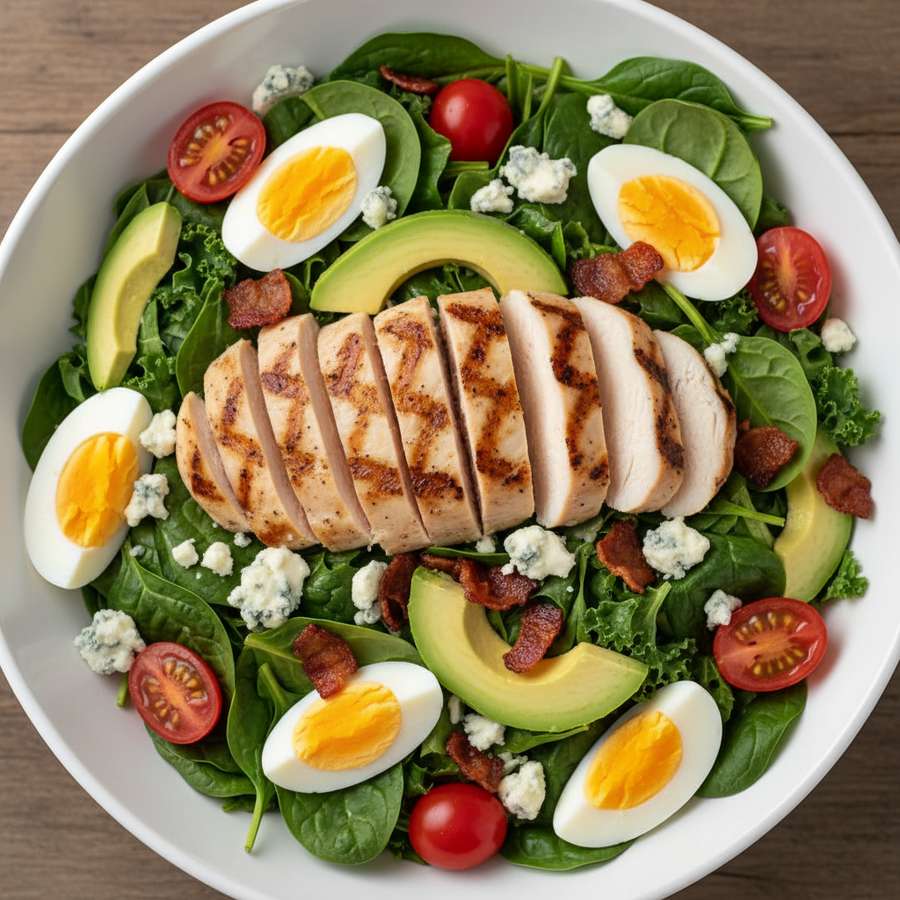
A well-made grilled chicken salad is one of the easiest keto meals to sustain long-term. This version is built around seasoned halal chicken over a bed of greens with a simple dressing — high volume, high nutrition, low carb. It's the kind of lunch that keeps you full until dinner without any afternoon energy crash.
Halal Keto Chicken Cauliflower Casserole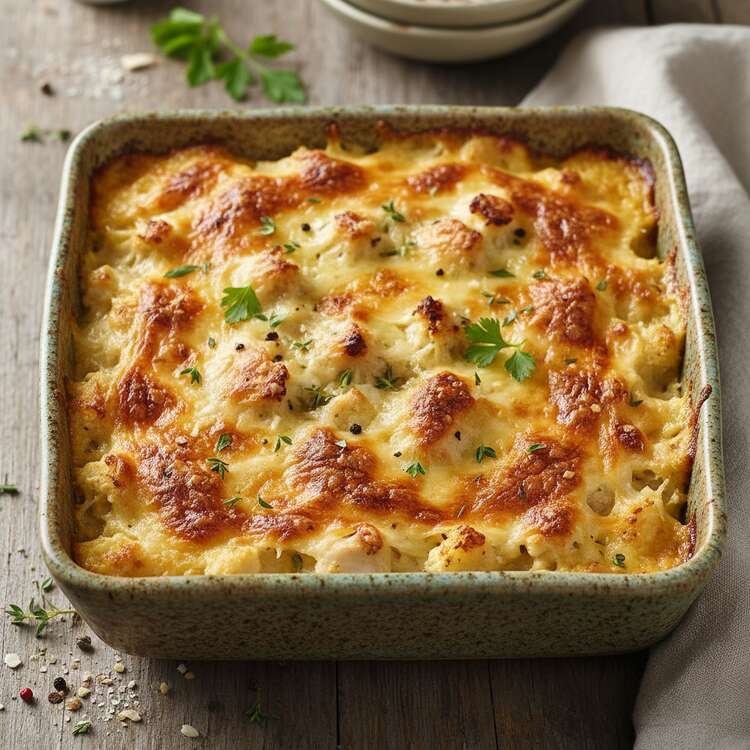
This is comfort food done right. Creamy, cheesy (if you include dairy), hearty, and completely low-carb. Cauliflower takes on a satisfying texture in casseroles that most people find genuinely surprising — it doesn't taste like a sad substitute. This dish is ideal for batch cooking; it feeds a family and reheats beautifully.
🦃 Turkey (Lean Protein, Underused in Keto)
Turkey doesn't get nearly enough credit in the keto world. It's leaner than beef, slightly richer than chicken, and extremely high in protein. These recipes will change how you think about turkey beyond Thanksgiving.
Halal Keto Air Fryer Turkey Meatballs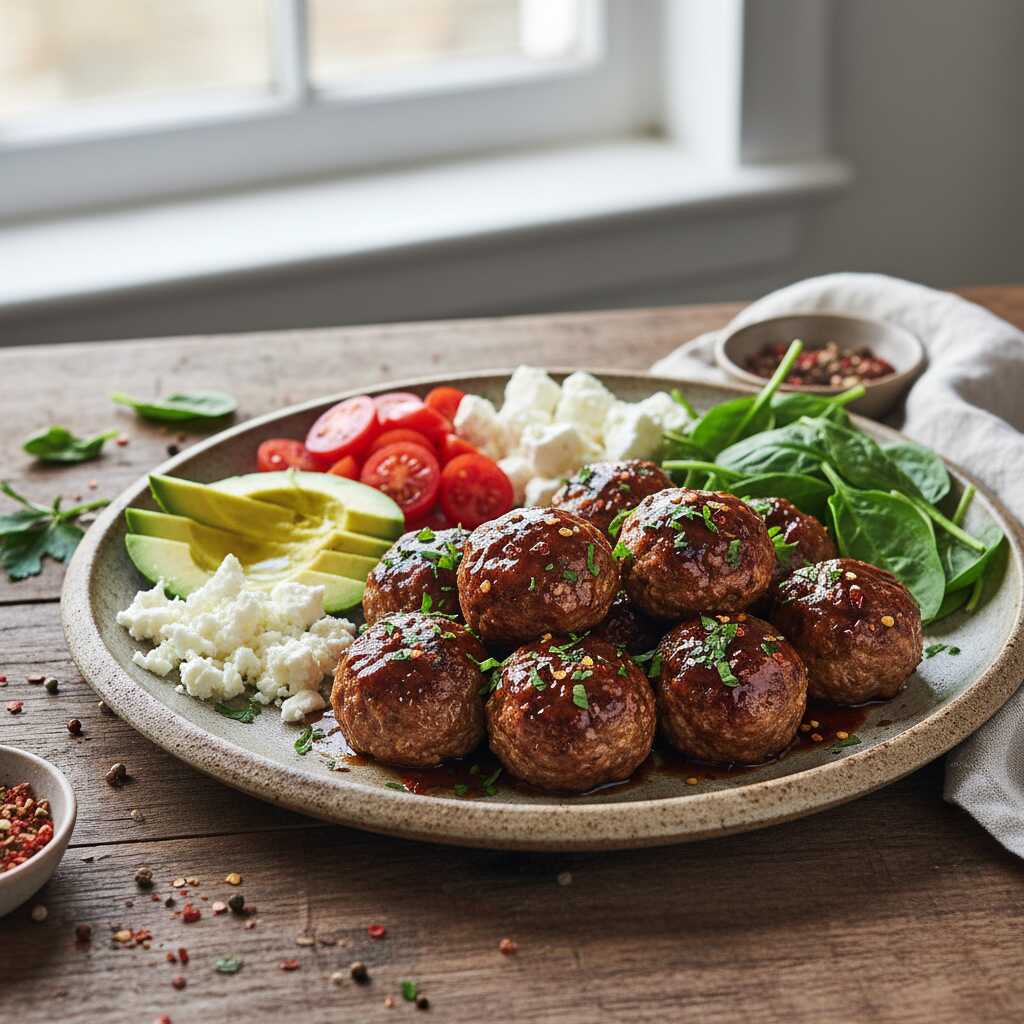
Ground turkey meatballs in the air fryer are a meal prep miracle. They cook in under 15 minutes, freeze well, and work in dozens of applications — over zucchini noodles, in lettuce wraps, alongside a salad, or eaten straight as a high-protein snack. Season generously; turkey has a mild flavor that rewards bold spicing.
Halal Keto Lemon Herb Turkey Breast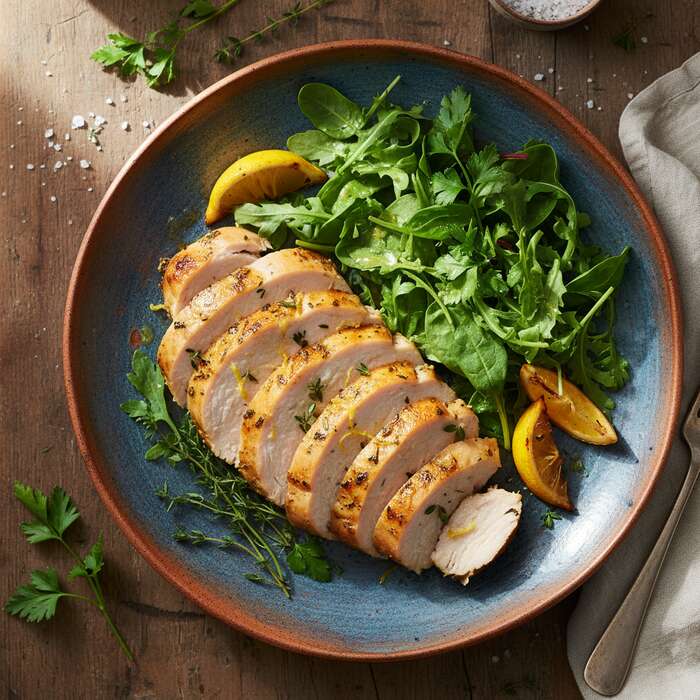
Elegant, lean, and deeply flavorful when prepared correctly. This recipe uses a herb-forward marinade that keeps the turkey breast moist during cooking — the biggest challenge with this lean cut. Slice it thin for meal prep and use it across multiple meals throughout the week. High protein, low fat, extremely versatile.
Halal Keto Turkey Cauliflower Stir Fry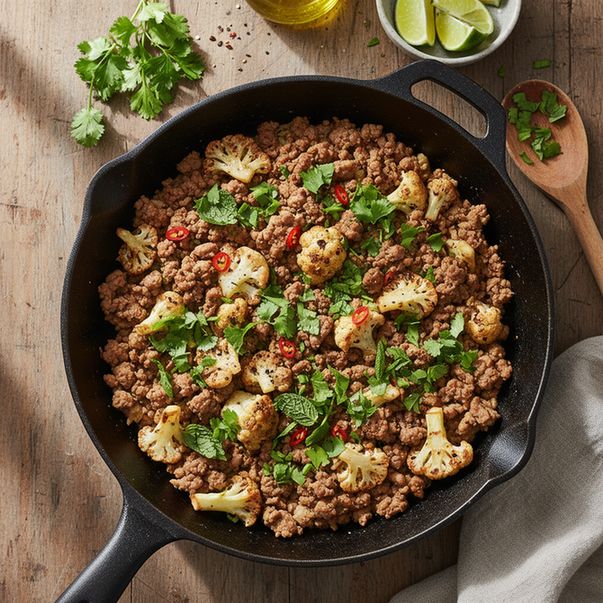
Ground turkey and riced cauliflower stir fry is the ultimate weeknight shortcut meal. It mimics the texture and satisfaction of a rice stir fry without the carbs, and comes together in under 20 minutes. Great for clearing out vegetables in your fridge too — nearly any low-carb vegetable can be thrown in.
Halal Keto Turkey Bacon Egg Cups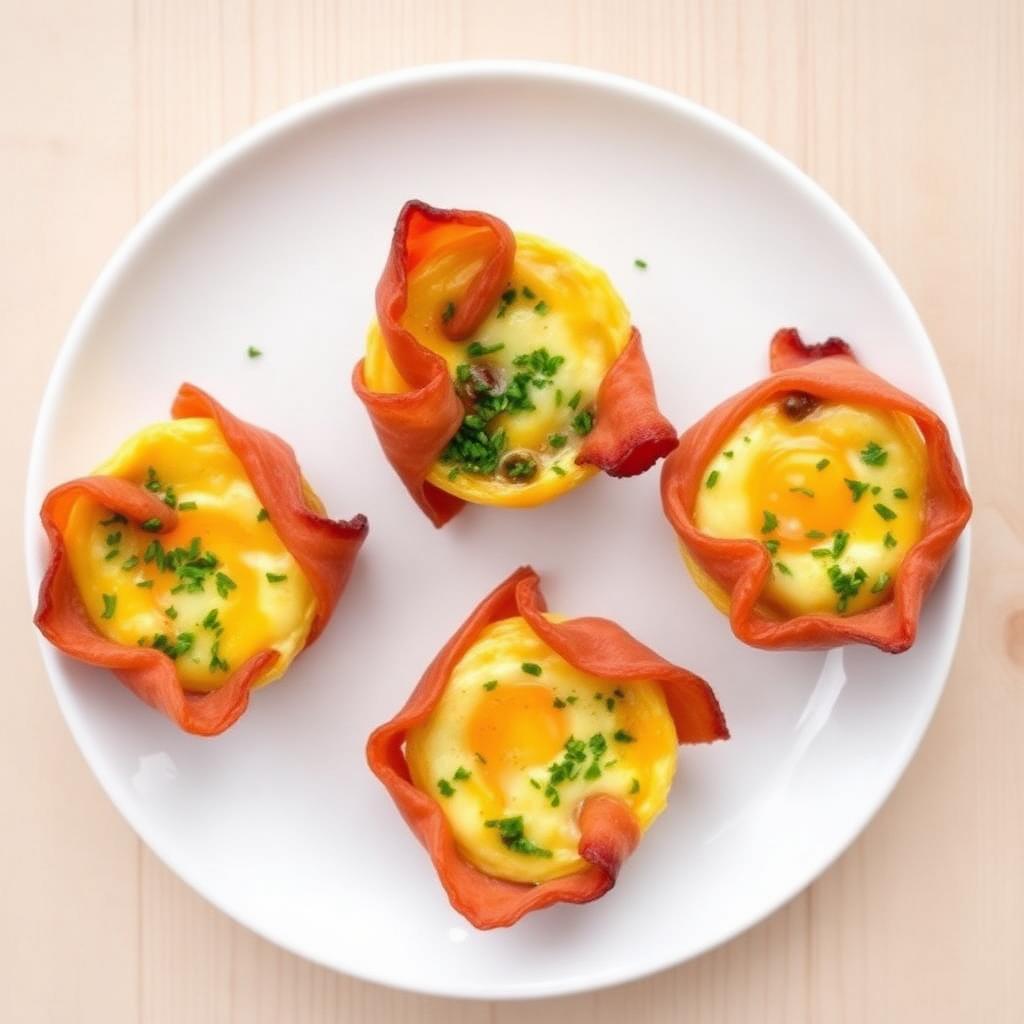
Breakfast on keto is one of the easiest meals to get right, and this recipe might be the best example of that. Turkey bacon (halal-certified) lines a muffin tin, an egg cracks into each cup, and 15 minutes in the oven gives you a week's worth of grab-and-go breakfasts. High in protein, zero carbs, and endlessly customizable with cheese, herbs, or vegetables.
Meal Planning Tips for Halal Keto Success
Having great recipes is only part of the equation. Here's how to actually make this work week after week:
Batch cook proteins on Sundays. The turkey meatballs, chicken thighs, and beef zucchini boats all refrigerate well for 4–5 days. Cook them once, eat from them all week.
Stock your freezer with halal proteins. Having halal chicken thighs, ground turkey, and salmon fillets in the freezer means you're always 20 minutes away from a keto meal.
Lean on your air fryer. More than half of these recipes are either made in or compatible with an air fryer. The speed and crispiness it provides is a genuine quality-of-life upgrade for keto cooking.
Don't neglect electrolytes. When carbs drop, your kidneys excrete sodium and potassium more readily. Add salt to your food generously, eat avocados and leafy greens for potassium, and consider a magnesium supplement.
Track your macros initially. Apps like Cronometer or Carb Manager can help you calibrate your intake for the first 2–4 weeks. Once you understand what keto portions look like, tracking becomes less necessary.
A Note on Sustainability
The biggest concern most people have with keto is long-term sustainability. I'll be honest with you: strict keto requires real dietary discipline. But these 16 recipes prove that eating within halal keto guidelines doesn't mean eating the same 3 foods on repeat.
With variety across salmon, shrimp, cod, chicken, beef, and turkey — prepared as salads, stir fries, casseroles, air fryer meals, and baked dishes — there's genuinely enough here to stay engaged and satisfied. The goal isn't restriction. It's eating in a way that gives you more energy, better body composition, and a healthier relationship with food long-term.
Frequently Asked Questions
Is the keto diet safe for long-term use? Research suggests that well-formulated keto is safe for most healthy adults. As with any major dietary change, consult a healthcare provider if you have existing conditions like diabetes, kidney disease, or are pregnant.
Can I do keto during Ramadan? Yes, with some adjustment. The eating window naturally shifts to Suhoor and Iftar. Many people find keto helpful during Ramadan because the high-fat, high-protein meals provide sustained energy during the fasting period.
How do I know if I'm in ketosis? Common signs include reduced hunger, increased urination initially, a slight metallic taste in the mouth, and improved mental clarity after the first week. Ketone testing strips or a blood ketone meter can confirm it.
Are all the recipes on Nutryio.fit halal-certified? Every recipe is developed with halal dietary principles in mind and includes notes on ingredient verification. Always check product labels, particularly for meats, sauces, and any packaged ingredients.
Final Thoughts
Halal keto isn't a compromise. It's a powerful combination of clean, purposeful eating within a dietary framework that has real, research-backed benefits. The 16 recipes in this guide represent a solid foundation — enough variety to sustain a full month of eating without repetition, and enough nutritional depth to genuinely support your health goals.
Start with one or two recipes this week. Build from there. Your body adapts faster than you expect, and once you're through the initial adjustment period, the energy and satiety improvements make it feel effortless.
Bookmark this page. Come back when you need inspiration. And check out the full recipe collection at Nutryio.fit for even more halal-friendly, diet-specific meal ideas.
All recipes developed and published by the Nutryio Editorial team. Nutrition values are estimates. Always verify halal certification on all purchased ingredients.