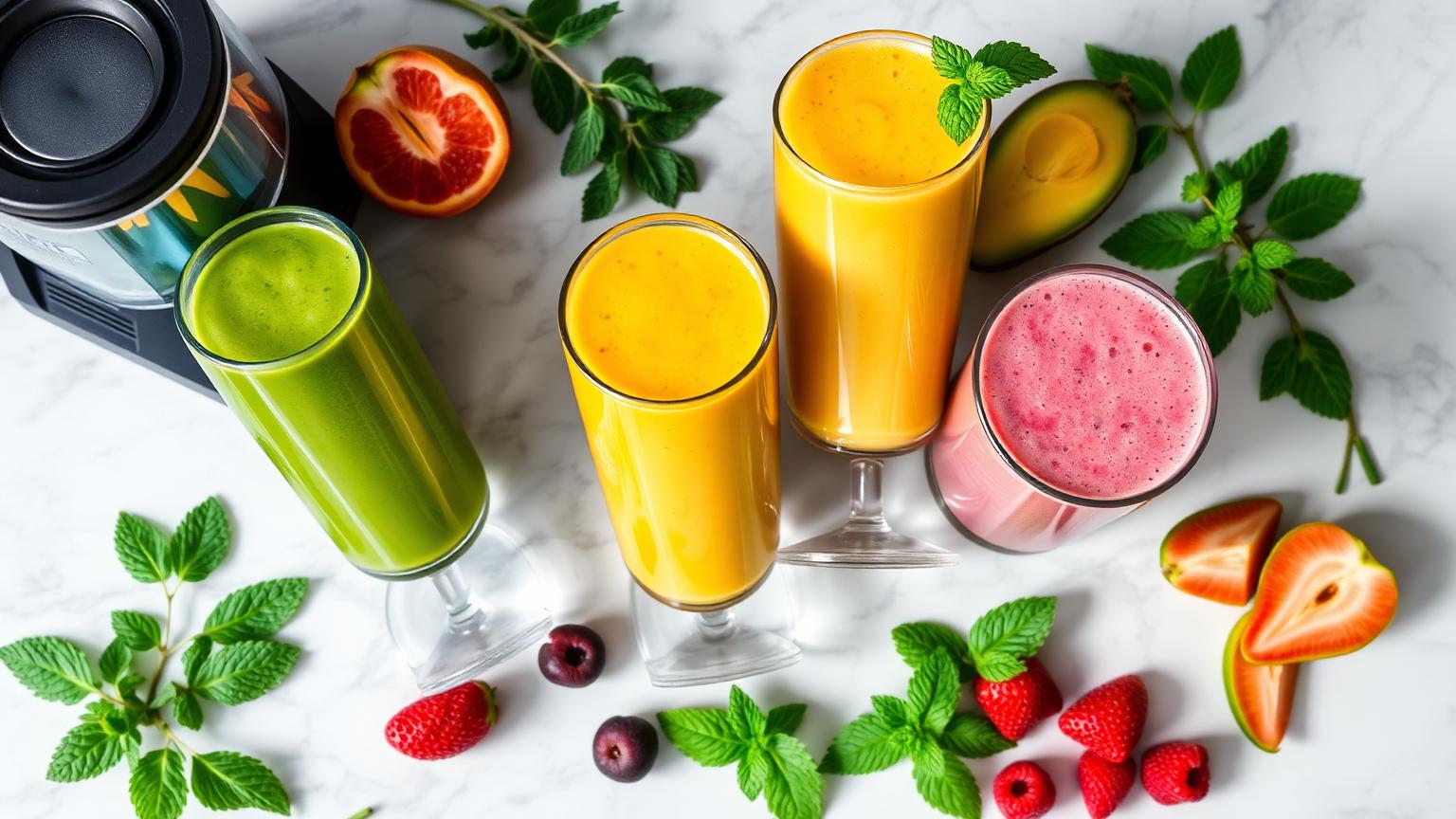
Why This Smoothie Collection is Different
Before diving into the clusters, here's what sets these recipes apart from the noise.
Every recipe has a defined nutritional purpose. The low-calorie cluster stays under 200 calories. The high-protein smoothies deliver 30–40g of protein per serving. The creamy avocados hit 350 calories with healthy fats that keep you full for hours. There's no guessing — the macros are transparent.
Halal integrity matters here. Protein powders, yogurt, and dairy products used in these recipes are all halal-sourced. No gelatin-based thickeners, no alcohol-derived vanilla extracts, no ambiguous "natural flavors." When you're halal-conscious, ingredient transparency isn't a nice-to-have — it's the whole point.
Green doesn't mean gross. The single biggest barrier to healthy smoothies is the assumption that nutritious means unpleasant. Every green smoothie in this collection has been built around flavor-forward ingredients — mango, pineapple, banana, coconut — that make the spinach and kale completely undetectable. You genuinely cannot taste the vegetables.
The Smoothie Clusters at a Glance
| Cluster | # of Recipes | Calorie Range | Best For |
|---|---|---|---|
| Low-Calorie Green Smoothies | 3 | 150–210 cal | Weight management, light starts |
| Spinach-Based Healthy Smoothies | 4 | 200–320 cal | Daily nutrition, family-friendly |
| Easy Tropical Blends | 7 | 180–300 cal | Quick prep, kids, variety |
| Creamy Avocado Smoothies | 4 | 300–380 cal | Satiety, skin health, healthy fats |
| High-Protein Smoothies | 2 | 400–450 cal | Post-workout, muscle recovery, meal replacement |
Cluster 1: Low-Calorie Green Smoothies — Less Than 210 Calories, Zero Compromise
The low-calorie category is probably the most misunderstood in the smoothie world. People assume low-calorie means thin, unsatisfying, and punishing. Done right, it means strategic — using high-volume, nutrient-dense ingredients that fill you up without loading up the calories.
These three smoothies are for anyone managing their caloric intake: anyone intermittent fasting and looking for a gentle break-fast option, anyone on a weight loss journey who still wants flavor, or simply anyone who wants a light, energizing start to the morning without a full meal.
The Recipes
Low Calorie Green Apple Kale Smoothie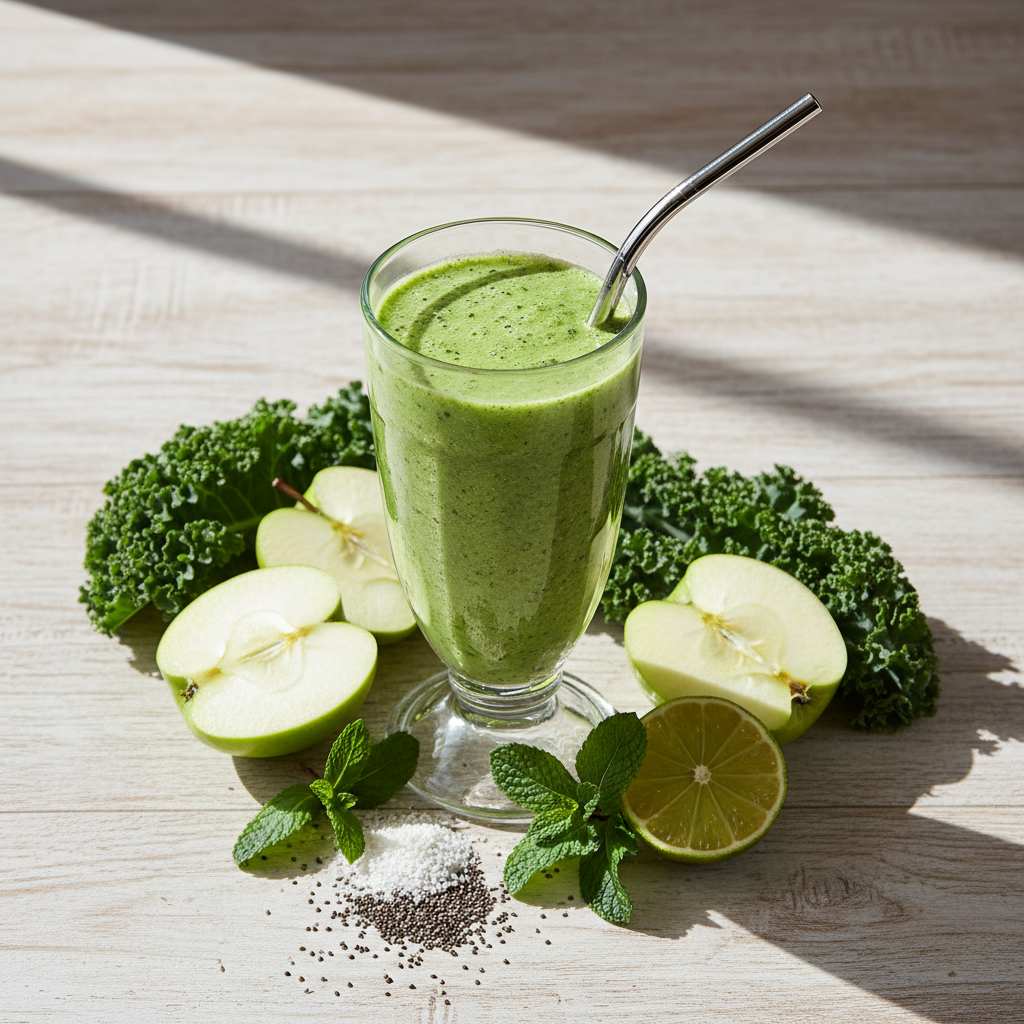 — 200 calories, 7g protein. Green apple is the smartest choice you can make in a low-calorie smoothie. It's tart enough to mask the kale completely, high in pectin (a soluble fiber that slows digestion and supports gut health), and much lower in sugar than banana-based alternatives. The kale here is invisible to your palate but very much present nutritionally — it's one of the most micronutrient-dense foods on the planet, with exceptional amounts of vitamins K, A, and C, plus calcium and manganese. This is my go-to recommendation for anyone who says they "can't do green smoothies."
Low Calorie Mixed Berry Antioxidant Smoothie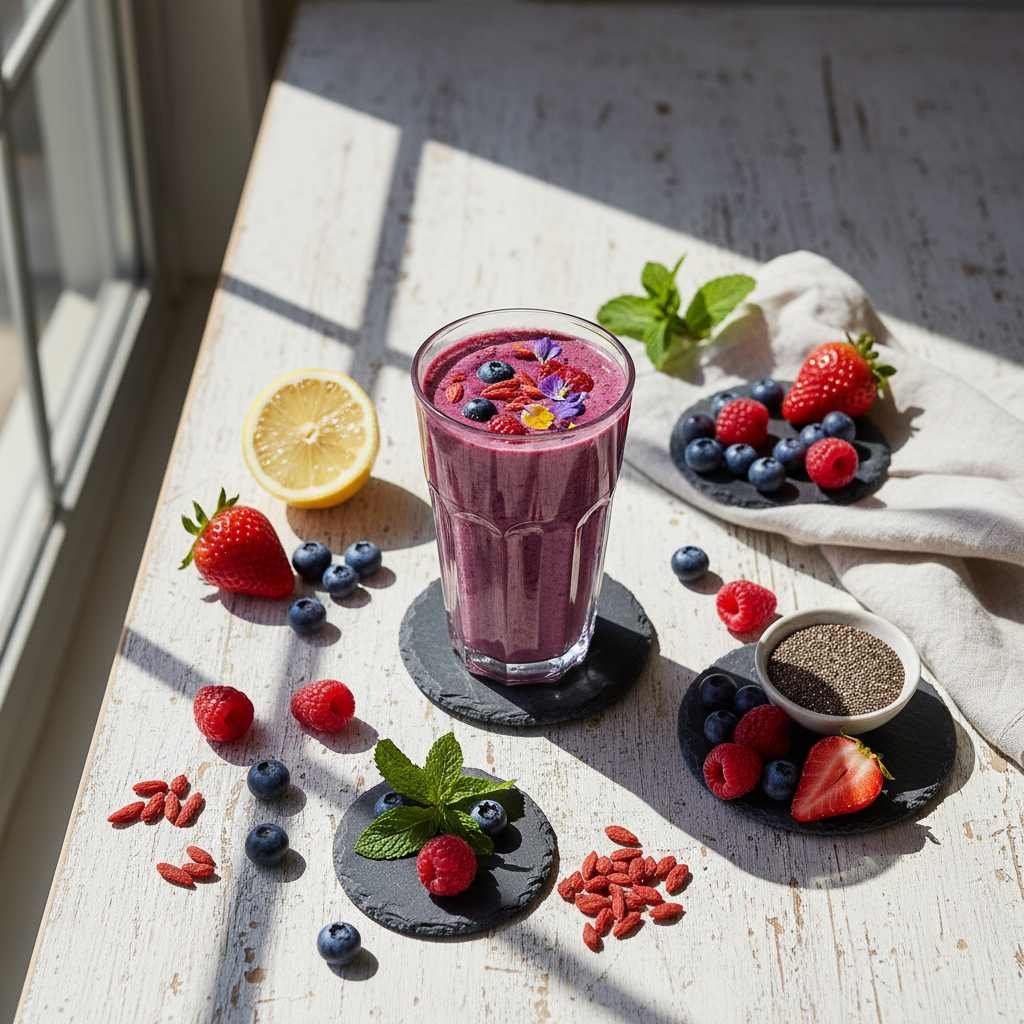 — The name tells you exactly what it's doing. Mixed berries — typically a combination of strawberries, blueberries, and raspberries — are among the richest sources of anthocyanins, the antioxidant pigments linked to brain health, reduced inflammation, and lower cardiovascular risk. This smoothie packs that antioxidant punch in under 200 calories, making it one of the most nutritionally efficient recipes on the entire site.
Low Calorie Mixed Berry Coconut Smoothie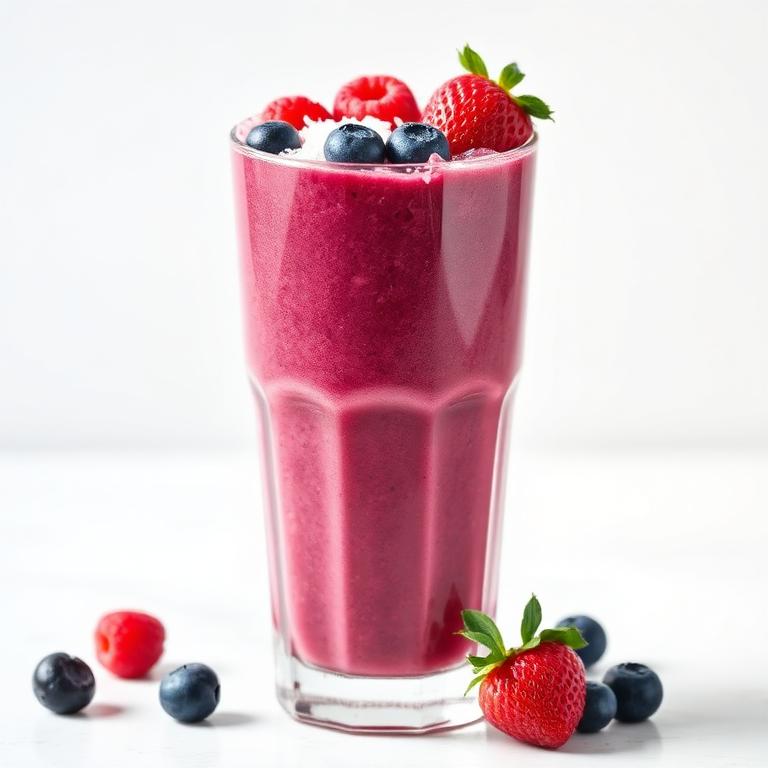 — A slightly creamier take on the berry smoothie, using coconut water or light coconut milk to add body without dramatically increasing calories. Coconut water contributes natural electrolytes — potassium, magnesium, sodium — making this a genuinely great option for post-exercise hydration when you're watching total caloric intake.
The key ingredient insight: Frozen fruit is your best friend in low-calorie smoothies. It eliminates the need for ice (which dilutes flavor and nutrition), keeps smoothies thick without adding calories, and is often more nutritious than fresh fruit because it's frozen at peak ripeness.
Cluster 2: Spinach-Based Healthy Smoothies — The Green Smoothie Foundation
If kale is the aggressive overachiever of the leafy green world, spinach is the reliable workhorse — mild in flavor, incredibly versatile, and nutritionally exceptional. Raw spinach contains iron, folate, magnesium, and vitamins C and K. When you blend it with sweet fruit, the flavor disappears entirely while the nutrition stays intact.
This cluster of four smoothies represents the core of what a "healthy smoothie routine" actually looks like in practice: approachable, delicious, and genuinely good for you.
The Recipes
Spinach Banana Green Smoothie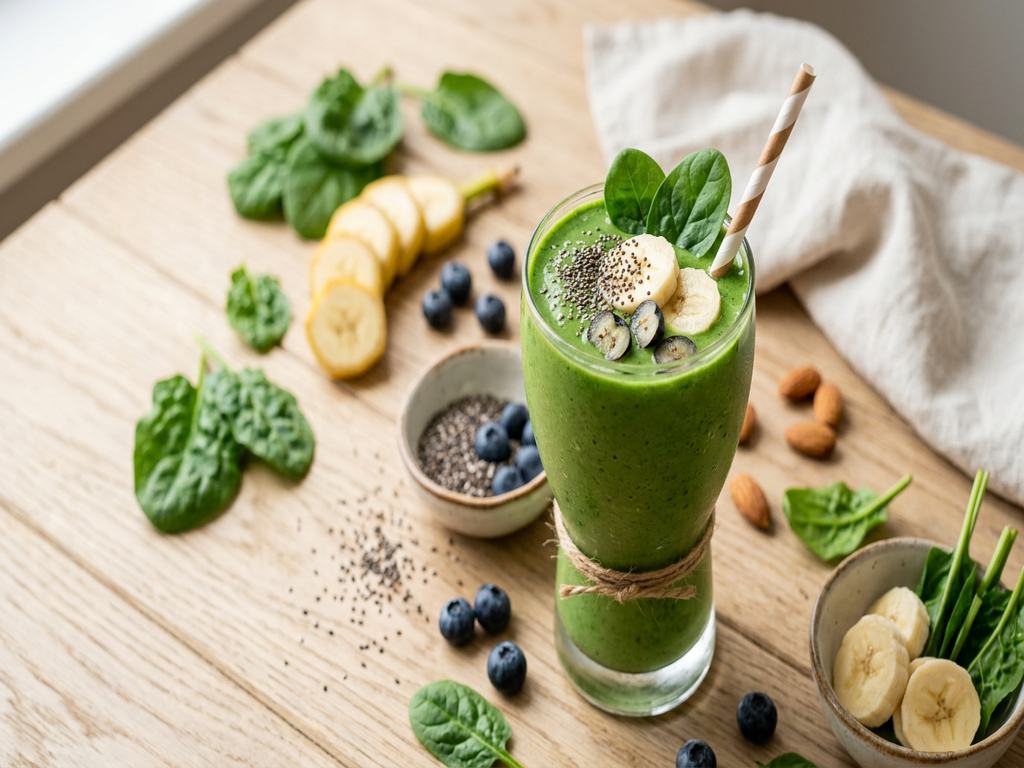 — The classic gateway green smoothie, and for good reason. Banana provides natural creaminess (no yogurt or milk needed), natural sweetness, and potassium. Spinach provides the nutritional payload. Together, they create a smoothie so mild and pleasant that even children who refuse vegetables will finish it. This is the recipe to use when you're introducing green smoothies to a skeptic.
Spinach Mango Protein Smoothie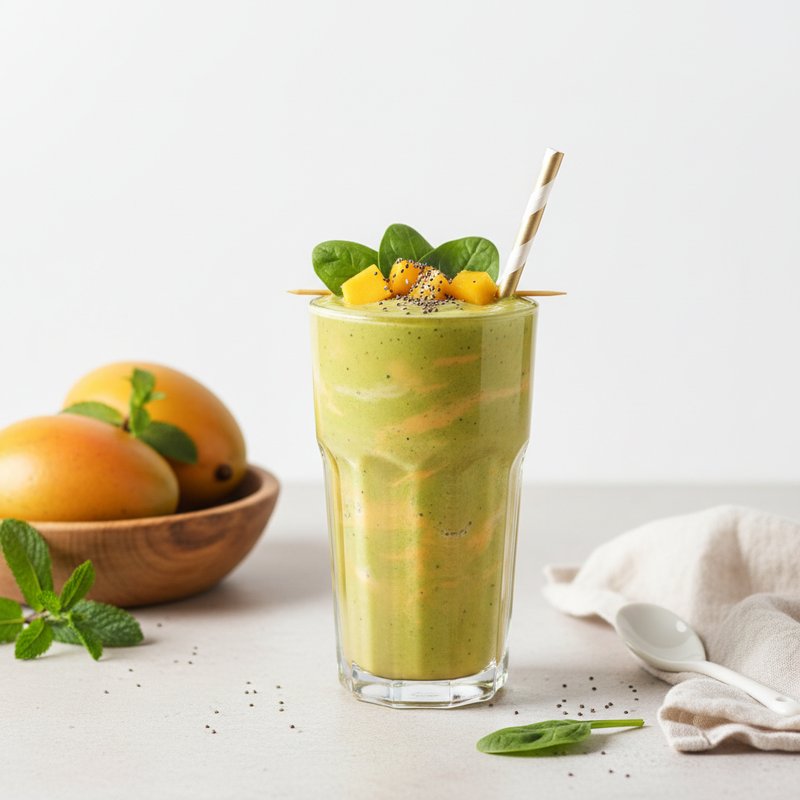 — This is where the cluster gets serious. Mango and spinach is a pairing that somehow works better than it has any right to — the tropical sweetness of mango completely covers the earthy undertones of spinach, and the added protein source (Greek yogurt, halal protein powder, or hemp seeds depending on your preference) makes this a legitimate meal replacement. A brilliant option for busy mornings when you need something that will actually hold you until lunch.
Spinach Pineapple Detox Smoothie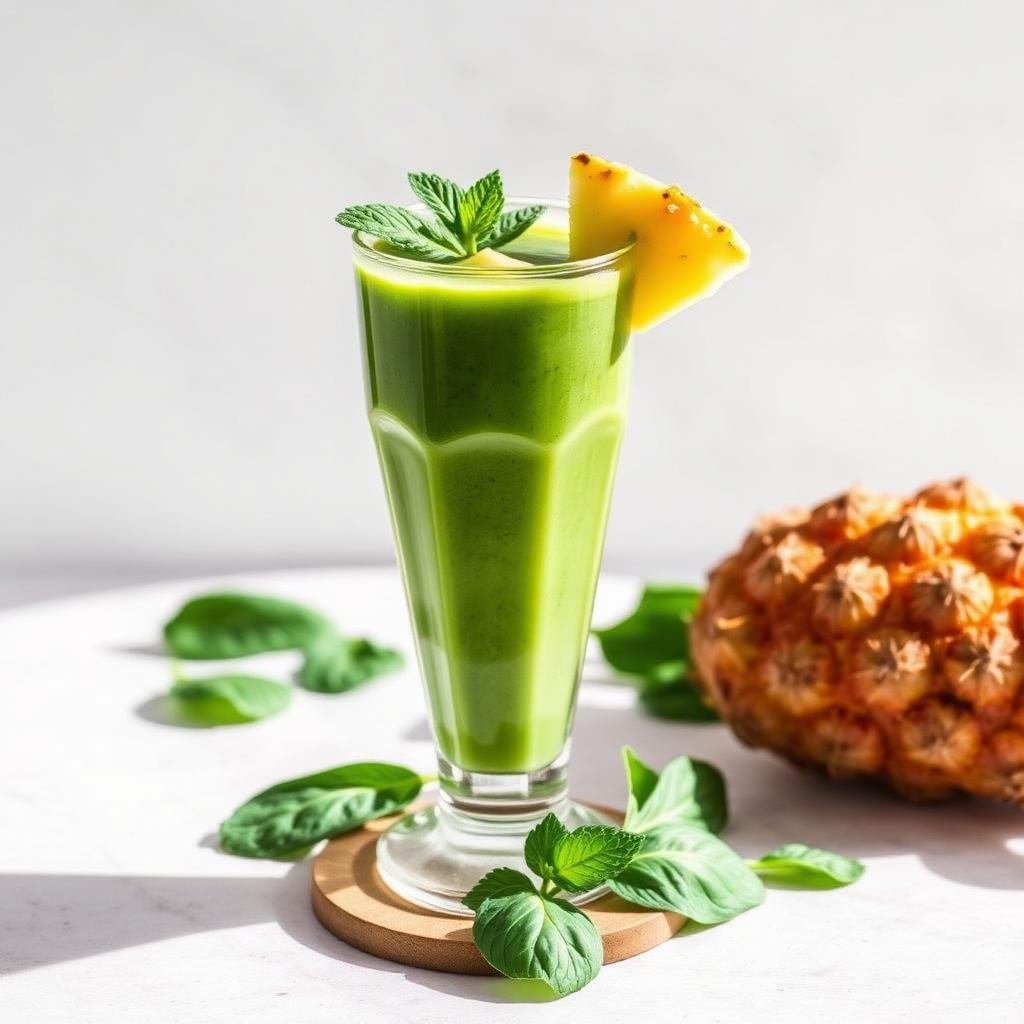 — Let me be honest about the word "detox": your liver and kidneys do the actual detoxification work, and no single smoothie is going to override that biology. What this smoothie does do is provide ingredients — pineapple's bromelain enzyme, spinach's chlorophyll, ginger if included — that support digestive function and reduce bloating. Call it what you want, it makes you feel noticeably better after a heavy meal or a period of poor eating.
Strawberry Banana Protein Smoothie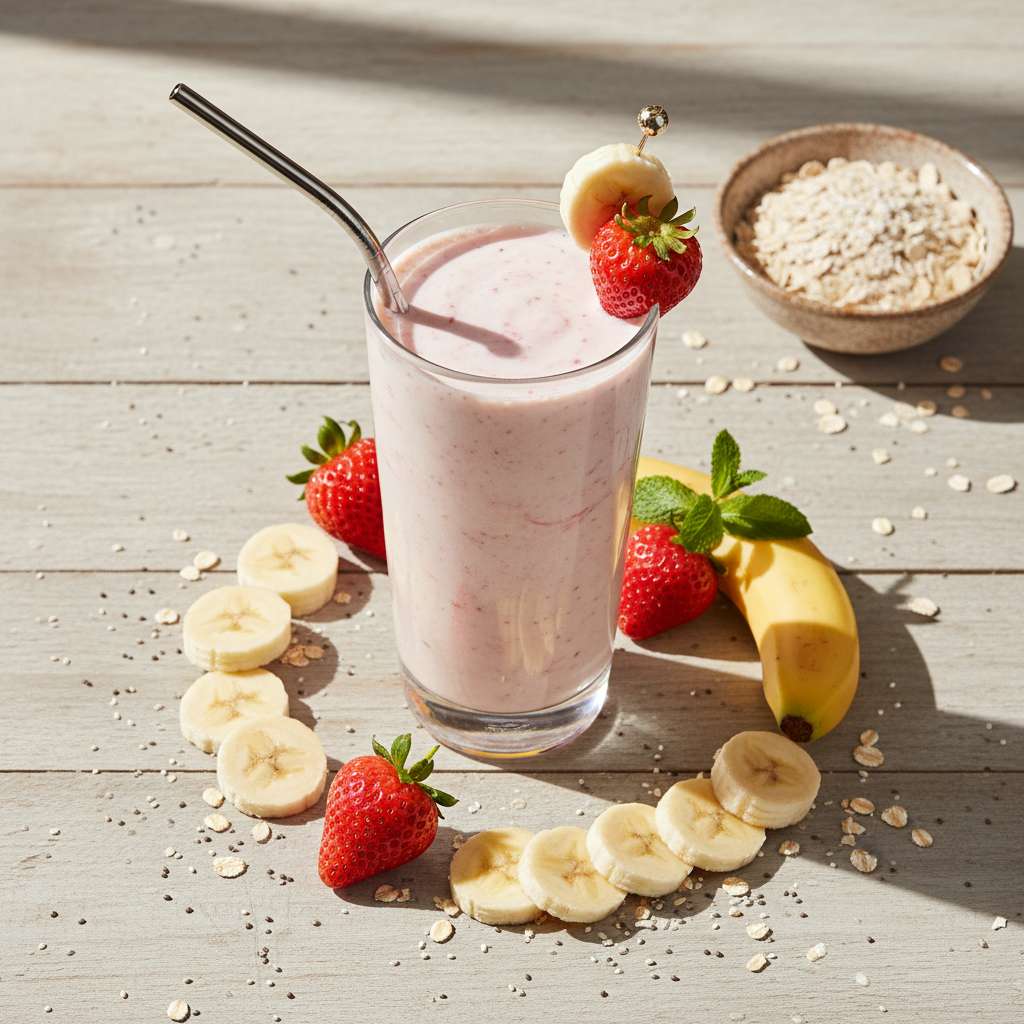 — Technically in the "healthy" cluster but could easily sit in the high-protein category as well. The combination of strawberry and banana is so universally beloved that this smoothie works as an entry point for people who aren't sure about health-focused drinks. It tastes like a milkshake while quietly delivering significant fiber, vitamin C, and protein. One of the best recipes on the site for feeding children who need more nutrition without the argument.
Cluster 3: Easy Tropical Blends — Seven Recipes for Maximum Variety
This is the largest cluster, and deliberately so. Variety is one of the most underrated aspects of a sustainable healthy eating habit. Eating (and drinking) the same thing every day is one of the fastest routes to abandoning a routine entirely.
These seven recipes share a tropical DNA — pineapple, mango, coconut, and ginger as recurring players — but each one has a distinct personality. Rotate through them throughout the week and you'll never hit flavor fatigue.
The Recipes
Kale Pineapple Spinach Smoothie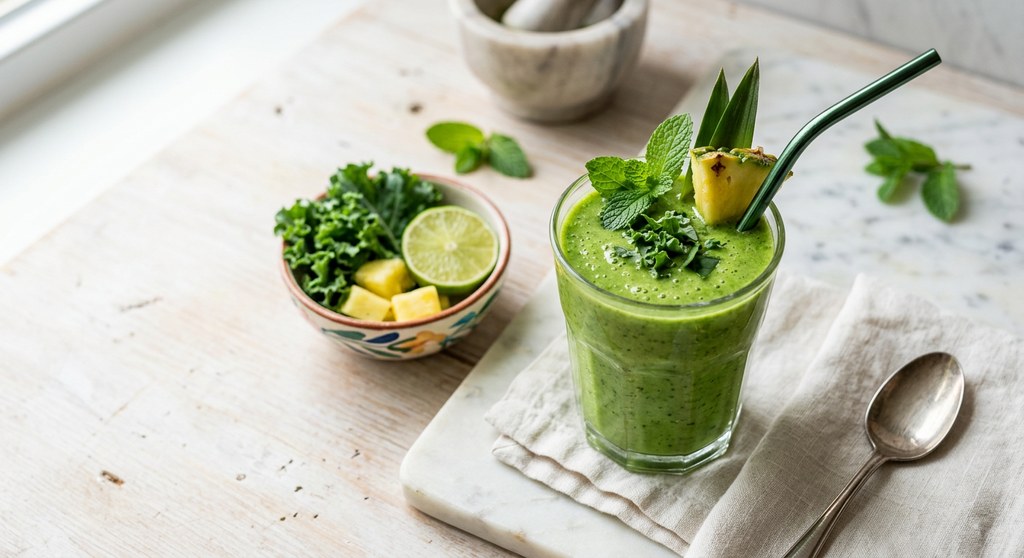 — A double-green smoothie that shouldn't work but absolutely does. Pineapple is the great equalizer in green smoothies — its natural sweetness and acidity are strong enough to completely neutralize both kale and spinach. This is one of the greenest smoothies in the collection in terms of nutritional density. If you can only make one "greens-heavy" smoothie a week, make this one.
Mango Coconut Breakfast Smoothie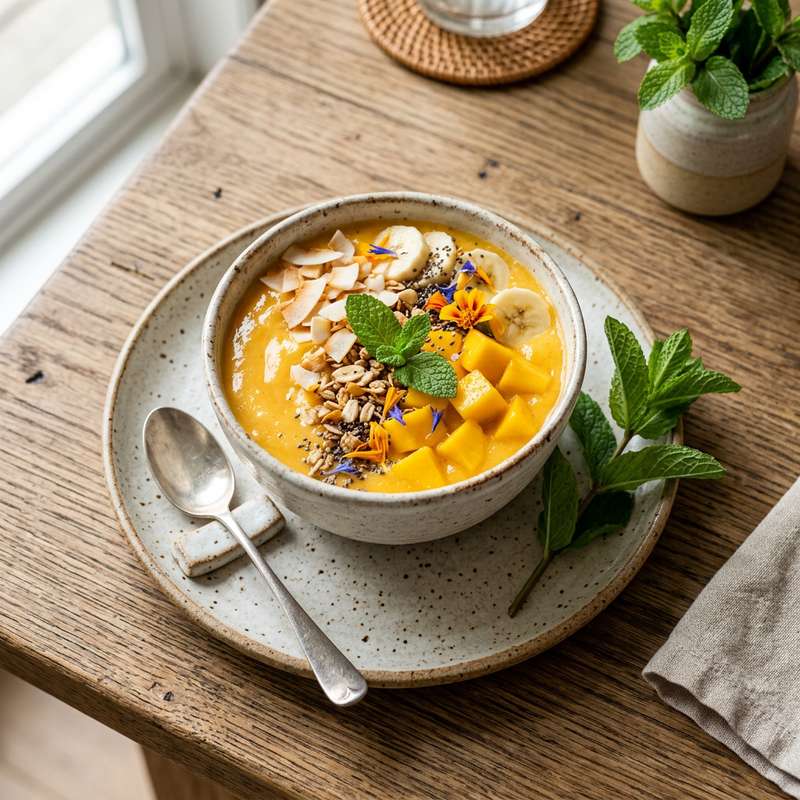 — Simple, beautiful, and genuinely breakfast-worthy. Mango and coconut is a combination rooted in South Asian and Southeast Asian culinary traditions — it's not a wellness trend, it's a classic. The coconut adds medium-chain triglycerides (MCTs), a type of fat that's metabolized differently from other dietary fats and is associated with sustained energy and improved cognitive function.
Mango Ginger Tropical Smoothie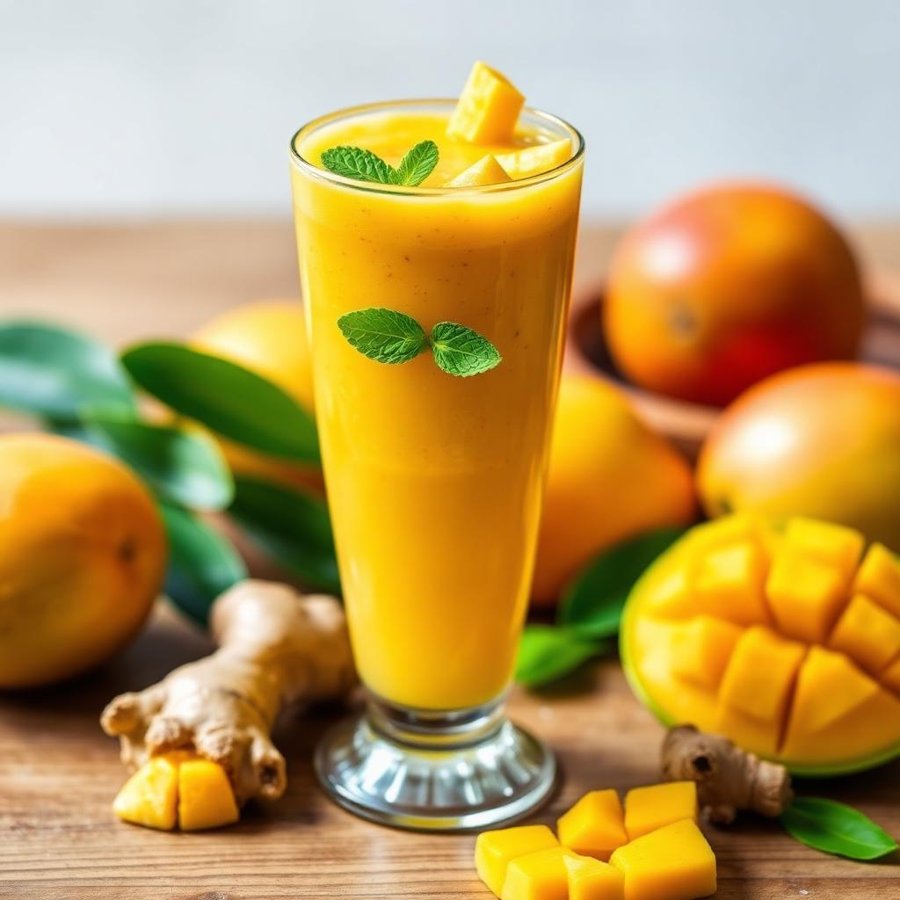 — Ginger in a smoothie is a move that separates the experienced smoothie makers from the beginners. Even a small amount — half a teaspoon of fresh grated ginger — adds warmth, complexity, and genuine anti-inflammatory benefit. Gingerols and shogaols, the active compounds in ginger, are among the best-studied natural anti-inflammatory agents available. This smoothie is excellent for anyone dealing with joint discomfort, menstrual pain, or post-exercise soreness.
Pineapple Coconut Green Smoothie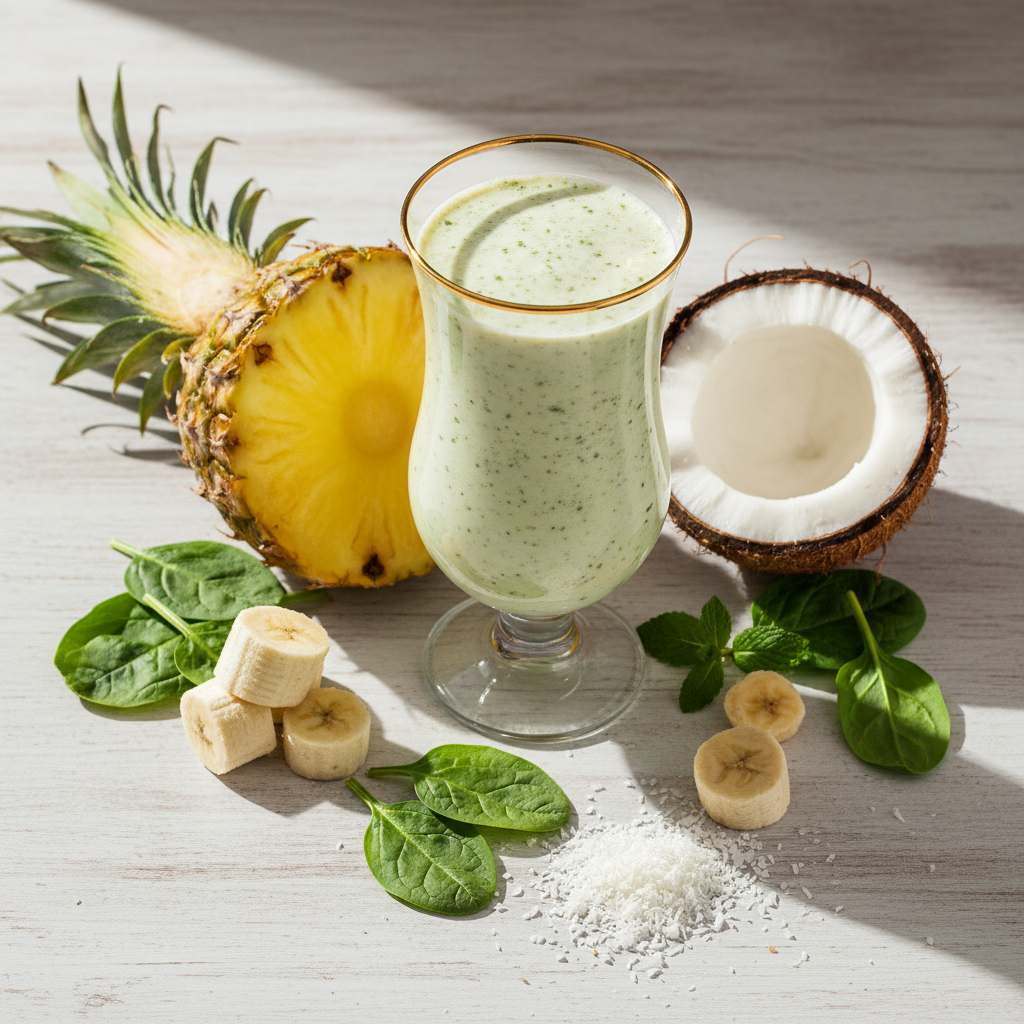 — A tropical escape in a glass. Pineapple, coconut, and leafy greens create a smoothie that genuinely tastes like a holiday drink while delivering real nutritional value. The bromelain in pineapple pairs well with the anti-inflammatory compounds in greens — together they make this a particularly good option before or after physically demanding days.
Pineapple Ginger Immunity Smoothie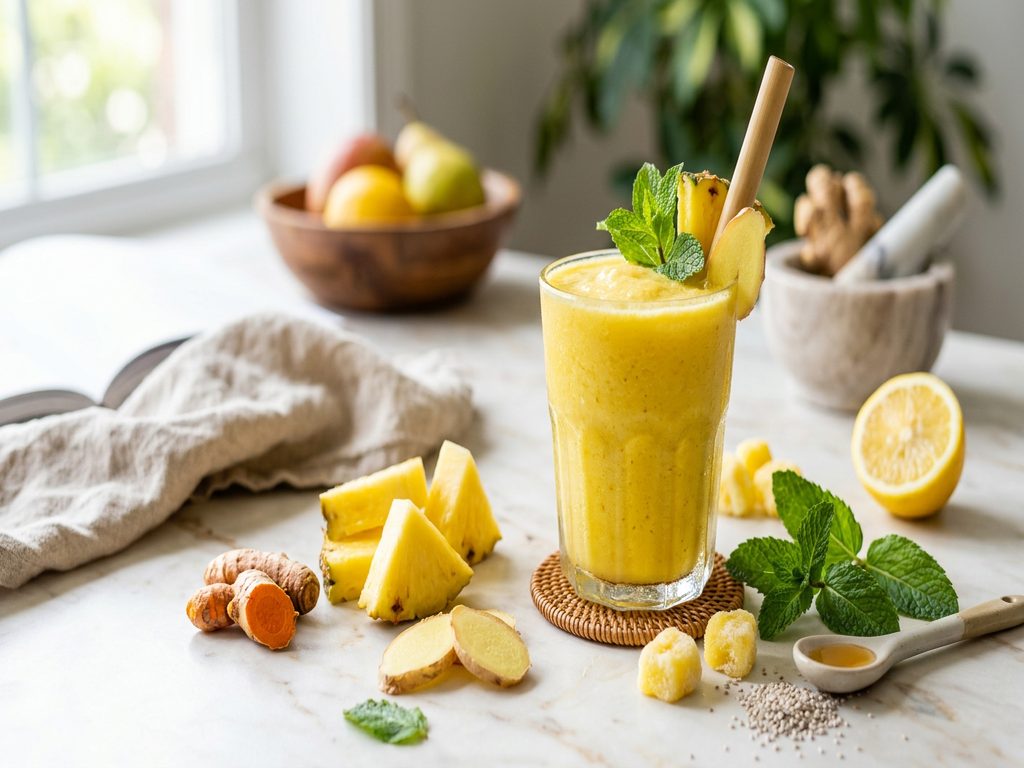 — Perhaps the most targeted recipe in this cluster. Pineapple's vitamin C, bromelain, and antioxidants combined with ginger's anti-inflammatory gingerols makes this a smoothie with a specific health mission. During cold and flu season, or when you feel your immune system under stress, this is the recipe to reach for. It's tart, warming, and energizing.
Pineapple Mango Green Smoothie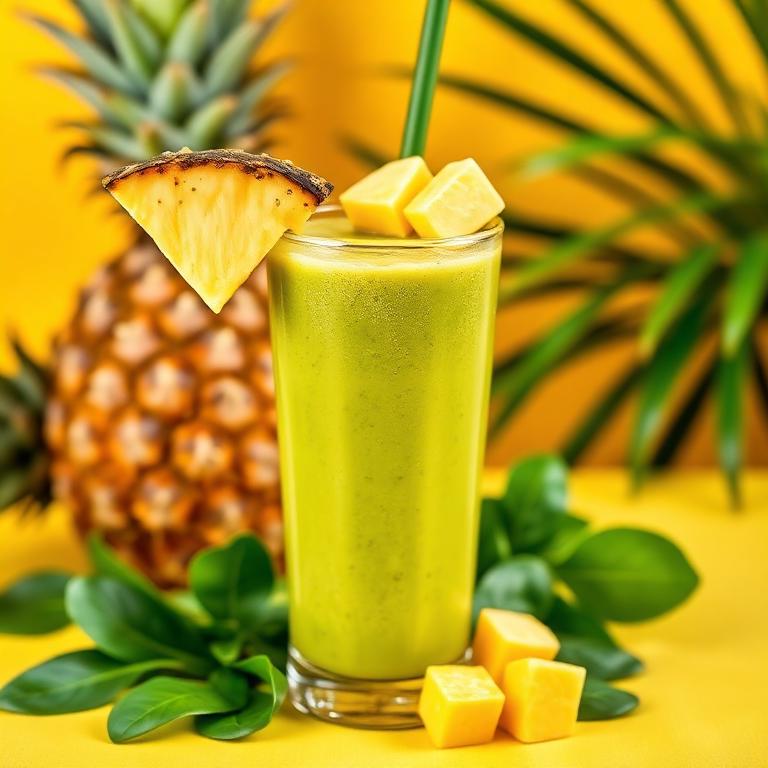 — The tropical duo that needs no justification. Pineapple and mango together create a flavor profile so bold and sweet that even a large handful of spinach can't compete with it. This is a crowd-pleaser that works for all ages and all taste preferences. A perfect weekend batch smoothie.
Pineapple Spinach Tropical Smoothie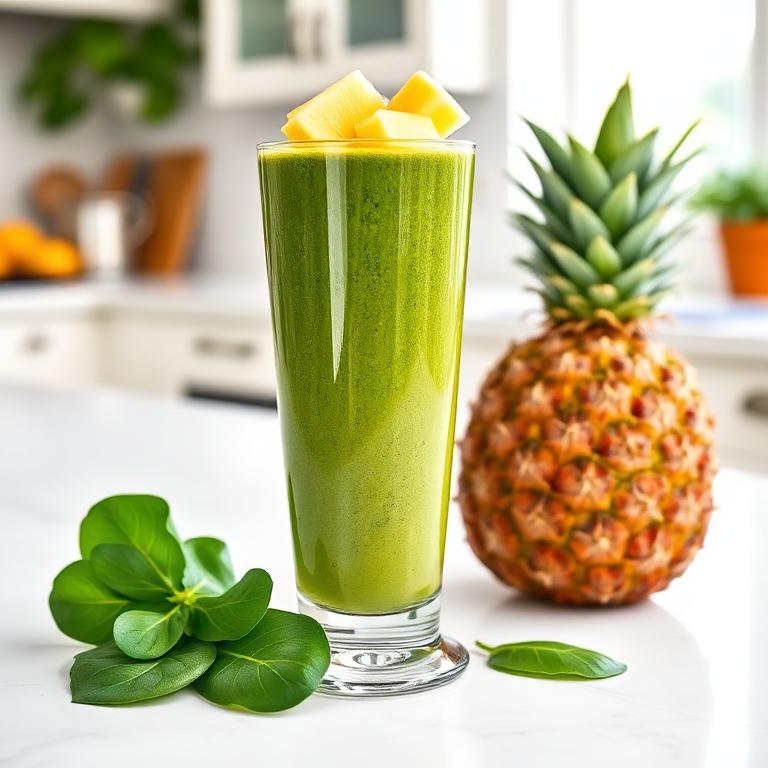 — The streamlined version: pineapple, spinach, and a liquid base. Nothing more than it needs to be. This recipe rewards you for using good-quality frozen pineapple — the natural sugars and acidity vary significantly between brands and varieties, so taste and adjust before blending.
Cluster 4: Creamy Avocado Smoothies — The Satiety Champions
Avocado in a smoothie is still, somehow, an underutilized idea in mainstream health food culture — which is baffling, because avocado is essentially nature's butter, designed to make everything around it creamier and more satisfying.
What avocado brings to a smoothie is texture and fat. Not a dirty word — the monounsaturated fats in avocado are associated with improved heart health, better absorption of fat-soluble vitamins (A, D, E, and K), and — critically for smoothies — satiety that lasts for hours. An avocado-based smoothie at 350 calories will keep you full significantly longer than a 350-calorie fruit-only smoothie.
These four recipes are the right choice for anyone who finds standard smoothies leave them hungry an hour later.
The Recipes
Creamy Avocado Lime Green Smoothie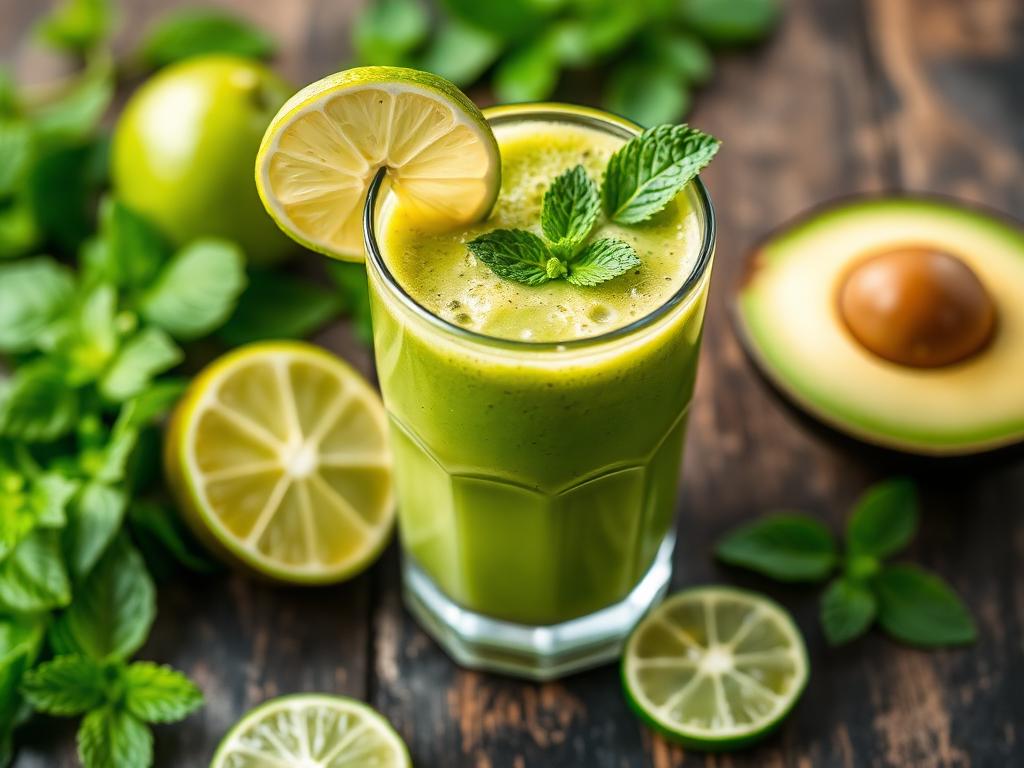 — Lime is the ingredient that makes avocado come alive in a blended drink. The citrus acidity cuts through the richness, prevents oxidation (keeping the color bright green rather than brown), and adds a brightness that makes the whole smoothie feel lighter than it is. This is the most elegant of the four avocado smoothies.
Creamy Avocado Mango Green Smoothie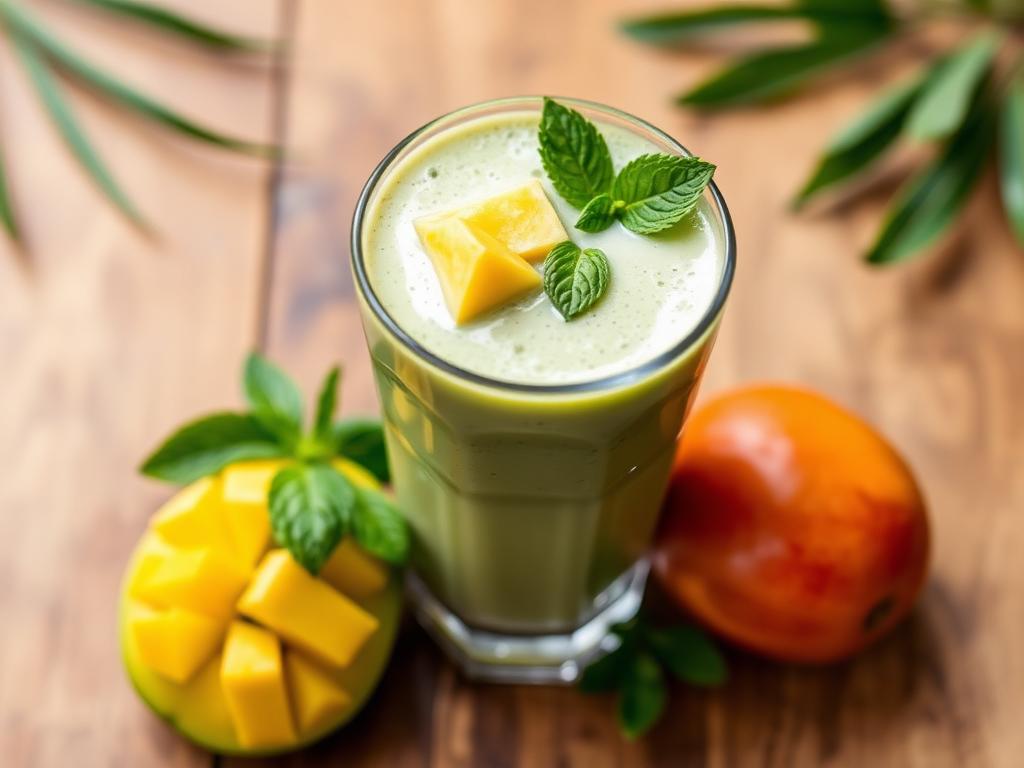 — Avocado meets its best tropical partner. Mango's sweetness counterbalances avocado's richness perfectly, and the combination creates a smoothie with an almost pudding-like texture when blended well. Rich in vitamins A, C, E, and K, plus folate and healthy fats, this is genuinely one of the most nutritionally complete smoothies in the collection.
Creamy Avocado Pineapple Green Smoothie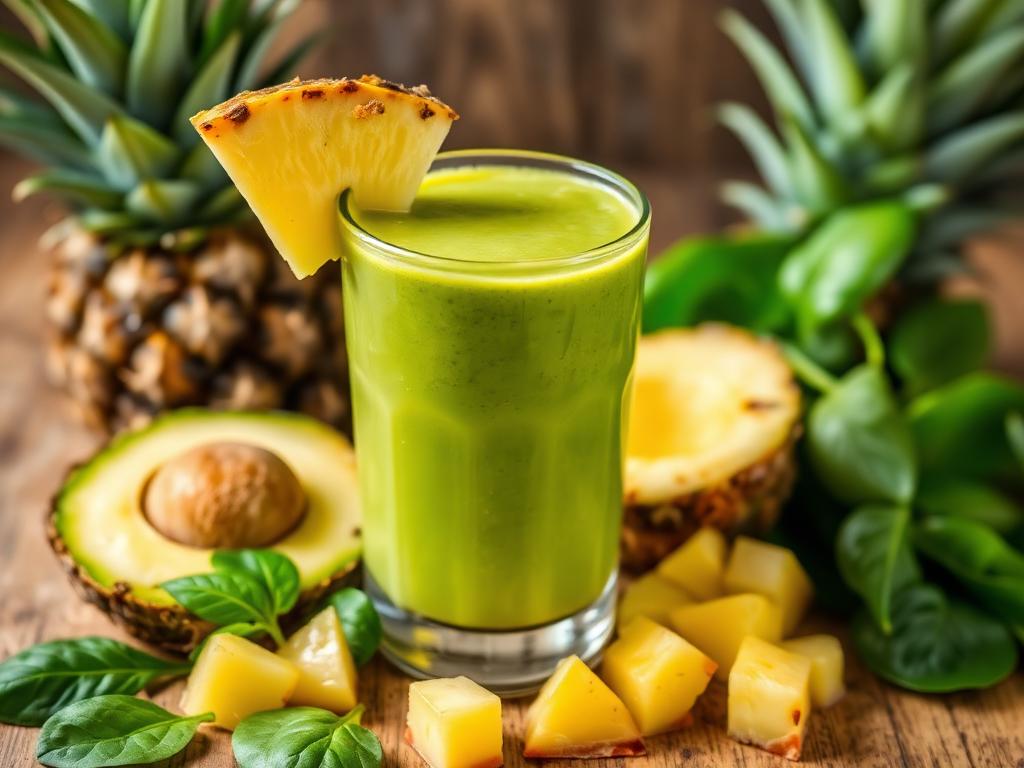 — The pineapple version adds acidity and tropical brightness that the mango version doesn't have. Pineapple's bromelain enzyme also assists with protein digestion, making this a particularly smart post-meal option. The avocado smooths out pineapple's sharpness into something surprisingly gentle on the palate.
Creamy Avocado Spinach Green Smoothie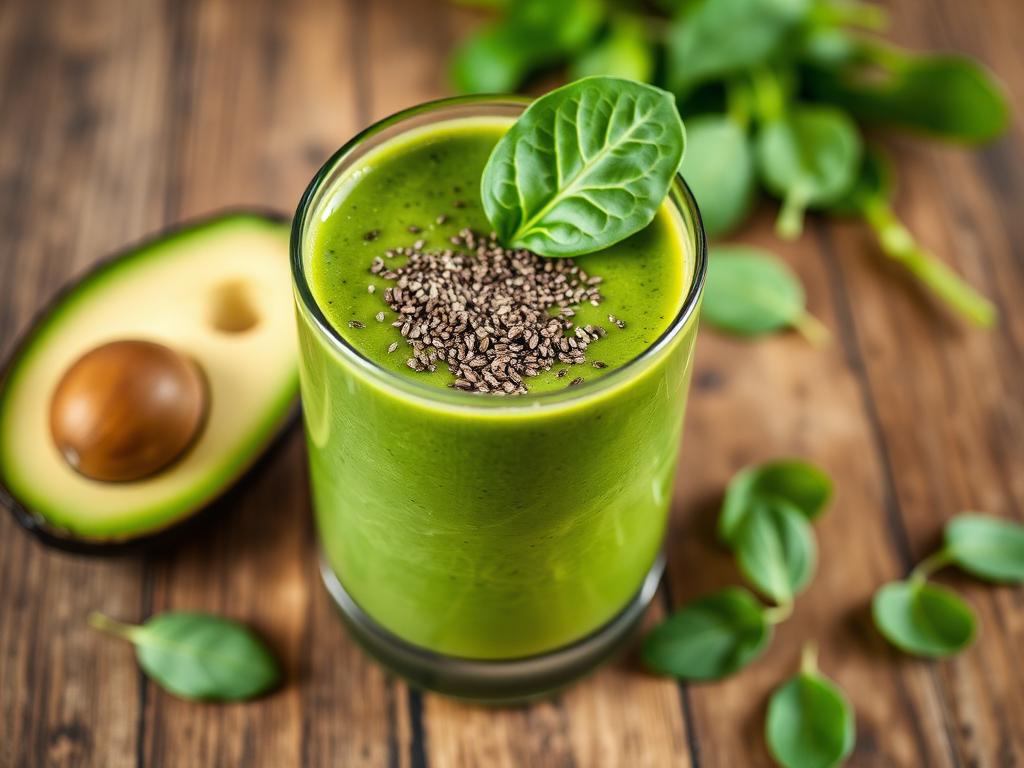 — 350 calories, 15g protein. The most nutritionally intentional recipe in this cluster. Avocado plus spinach plus a protein source (Greek yogurt or halal protein powder) creates a smoothie that functions as a complete, balanced meal — carbohydrates, healthy fats, protein, and a full spectrum of micronutrients. This is the smoothie to make when you want to be genuinely well-nourished, not just fed.
Avocado storage tip: If you're batch-prepping, the moment avocado is exposed to air it starts to brown. Add lemon or lime juice immediately, blend quickly, and consume within 24 hours. Frozen avocado chunks (widely available now) are a convenient alternative that bypass this problem entirely.
Cluster 5: High-Protein Smoothies — Serious Nutrition for Serious Goals
Two recipes. Both exceptional. Both genuinely high-protein in a way that deserves that label.
The fitness and wellness space has thoroughly diluted the term "high-protein" to the point where a smoothie with 10g of protein gets called high-protein. For context: most nutrition guidelines for active adults suggest 25–40g of protein per meal to optimally stimulate muscle protein synthesis. These two smoothies are built around that target.
The Recipes
High Protein Strawberry Shortcake Smoothie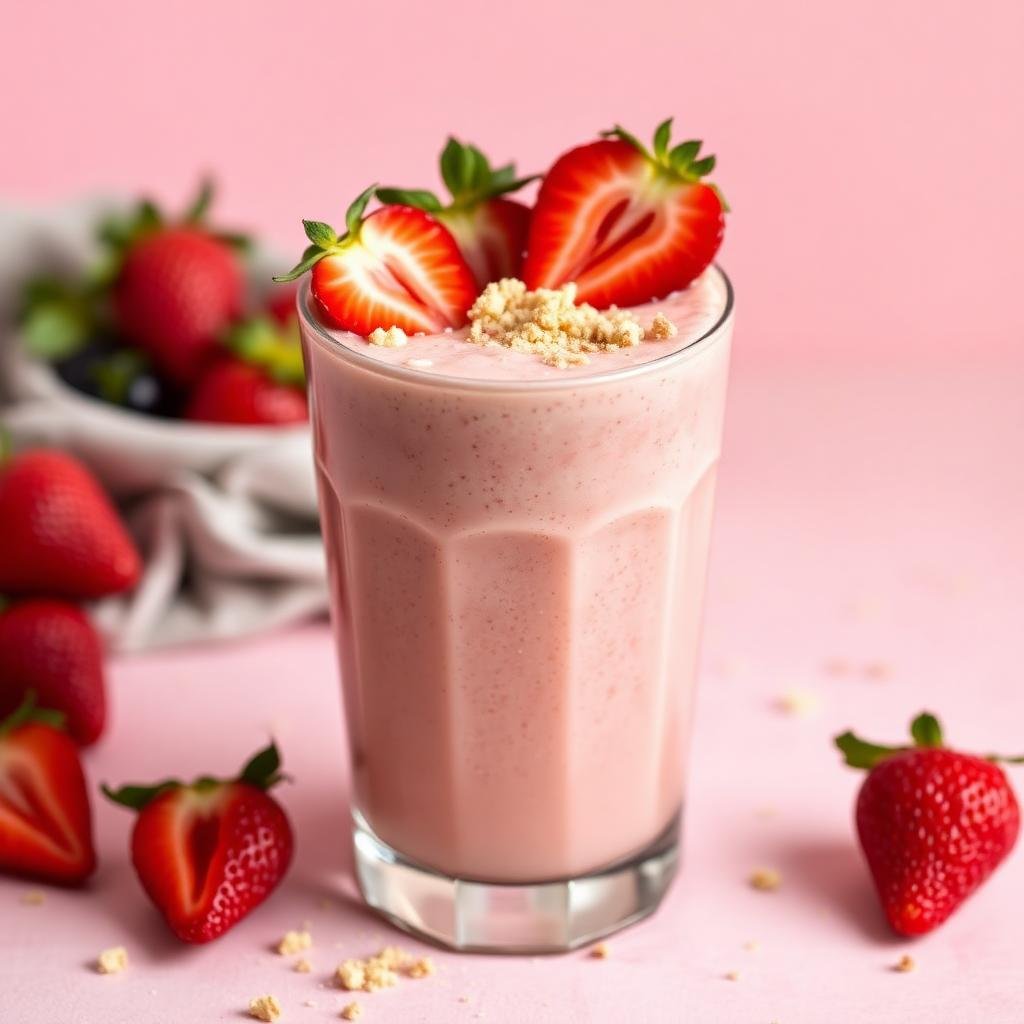 — 430 calories, 38g protein. Yes, 38 grams. In a smoothie. This is a meal — a serious, muscle-building, post-workout meal — that happens to taste like a dessert. The "shortcake" flavor profile comes from the combination of strawberry, vanilla, and a creamy base that genuinely evokes the classic dessert. If you're lifting weights, doing martial arts, or any other strength-based activity and struggling to hit your daily protein target, this smoothie deserves a permanent place in your rotation.
High Protein Tropical Mango Pineapple Smoothie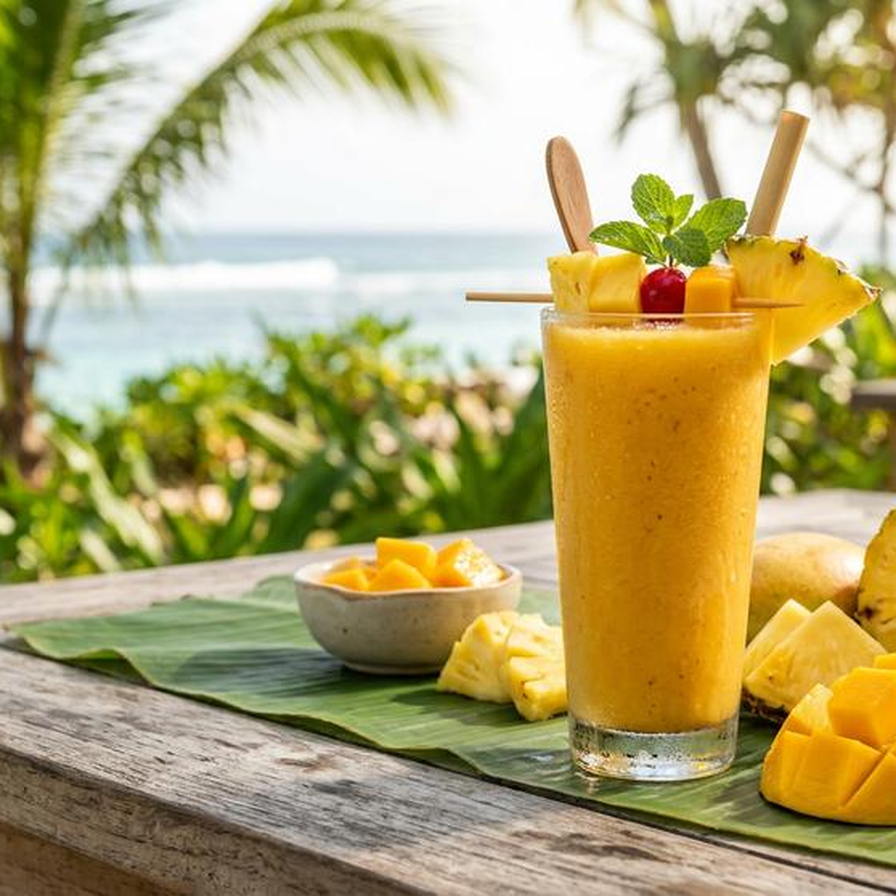 — The tropical alternative for anyone who finds the strawberry version too dessert-like. Mango and pineapple provide a bright, energetic flavor profile that makes this feel more like a pre-workout motivator than a post-workout recovery drink — even though it works brilliantly as both. The tropical fruit combination also means you're getting significant vitamin C and bromelain alongside the protein, supporting recovery and reducing exercise-related inflammation.
The protein source question: For halal-conscious athletes, finding high-quality protein powders can be genuinely difficult. Look for halal-certified whey protein (the halal certification should cover the animal-derived processing aids used in whey manufacture), or use plant-based alternatives like pea protein or hemp protein. Greek yogurt is also a reliable whole-food protein source that works beautifully in both these recipes.
How to Build a Weekly Smoothie Routine
The biggest mistake people make with smoothie habits is having no system. They discover a recipe they love, make it every day for two weeks, get bored, and stop entirely. Here's a better framework:
Monday/Wednesday/Friday — Rotate through the easy tropical cluster. These are your workhorses. Quick to make, endlessly variable, genuinely pleasant. Keep frozen mango, pineapple, and a bag of spinach stocked and you can make any of the seven tropical smoothies in under five minutes.
Tuesday/Thursday — Use the spinach cluster. Slightly more deliberate, slightly more nutritionally targeted. The protein spinach mango version on Tuesday, the banana green smoothie on Thursday.
Post-workout (2–3x per week) — High-protein cluster. Either of the two, depending on your mood. Make these your default recovery meal on strength training days.
Weekend mornings — Creamy avocado cluster. These take slightly more effort and more ingredients, but the payoff is a breakfast that keeps you full until well into the afternoon. Worth the extra two minutes.
When watching calories — Low-calorie cluster. Keep these for days when you've had a heavier lunch or dinner planned, or when your overall intake has been higher than usual.
Essential Smoothie-Making Tips
Liquid goes in first. Always add your liquid base before the fruit and greens. It protects your blender blades and ensures everything blends evenly without air pockets.
Layer strategically. Liquid → soft ingredients (yogurt, avocado) → fruit → greens → ice or frozen fruit. This order creates the most efficient blending.
Taste before you seal. It takes five extra seconds and will save you from an entire blender of something you're going to struggle to finish. Adjust sweetness with a Medjool date or a small drizzle of honey, add more liquid if too thick, add ice if too warm.
Don't over-blend greens. Blending leafy greens for too long can create a slightly bitter taste as the cell walls break down and release certain compounds. 30–45 seconds of blending is usually sufficient once the liquid and fruit are already smooth.
Prep smoothie packs. Portion out your fruit, greens, and add-ins into freezer bags in advance. On busy mornings, just dump a bag into the blender, add liquid, and blend. It takes Sunday-evening prep down to about 15 minutes for an entire week of smoothies.
Who Are These Smoothies For?
These 20 recipes serve a wide range of needs, and the beauty of the cluster system is that you can pick your entry point based on where you are right now:
New to green smoothies? Start with the Spinach Banana Green Smoothie or the Pineapple Mango Green Smoothie. Neither tastes remotely "healthy" — they taste like fruit.
Managing your weight? The entire low-calorie cluster is built for you, with the Green Apple Kale Smoothie being the standout.
Active and fitness-focused? Go directly to the High Protein Strawberry Shortcake Smoothie — 38g protein is no joke, and it tastes like a treat.
Feeding a family with varied tastes? The Strawberry Banana Protein Smoothie and Mango Coconut Breakfast Smoothie are crowd-pleasers across all ages.
Looking for sustained fullness? The entire creamy avocado cluster, specifically the Avocado Spinach Green Smoothie at 350 calories and 15g protein.
Prioritizing immunity and inflammation? Pineapple Ginger Immunity Smoothie and Mango Ginger Tropical Smoothie — the ginger in both has genuine anti-inflammatory credentials.
The Bottom Line
A smoothie habit is one of the easiest and most impactful nutritional upgrades you can make — if you build it correctly. The problem isn't smoothies. The problem is poorly designed smoothies with no nutritional intention, or an overcomplicated routine that collapses after a week.
These 20 halal smoothie recipes give you something better: five clearly defined clusters, each with a specific purpose, all made from real whole-food ingredients with transparent nutrition. No proprietary blends. No mystery supplements. No ingredients that require a halal certification hotline call to verify.
Pick your cluster. Pick your recipe. Make it this week.
All recipes on Nutryio are halal-certified, made from whole-food ingredients, and include full nutritional breakdowns per serving. Explore the full recipe library at nutryio.fit/recipes.