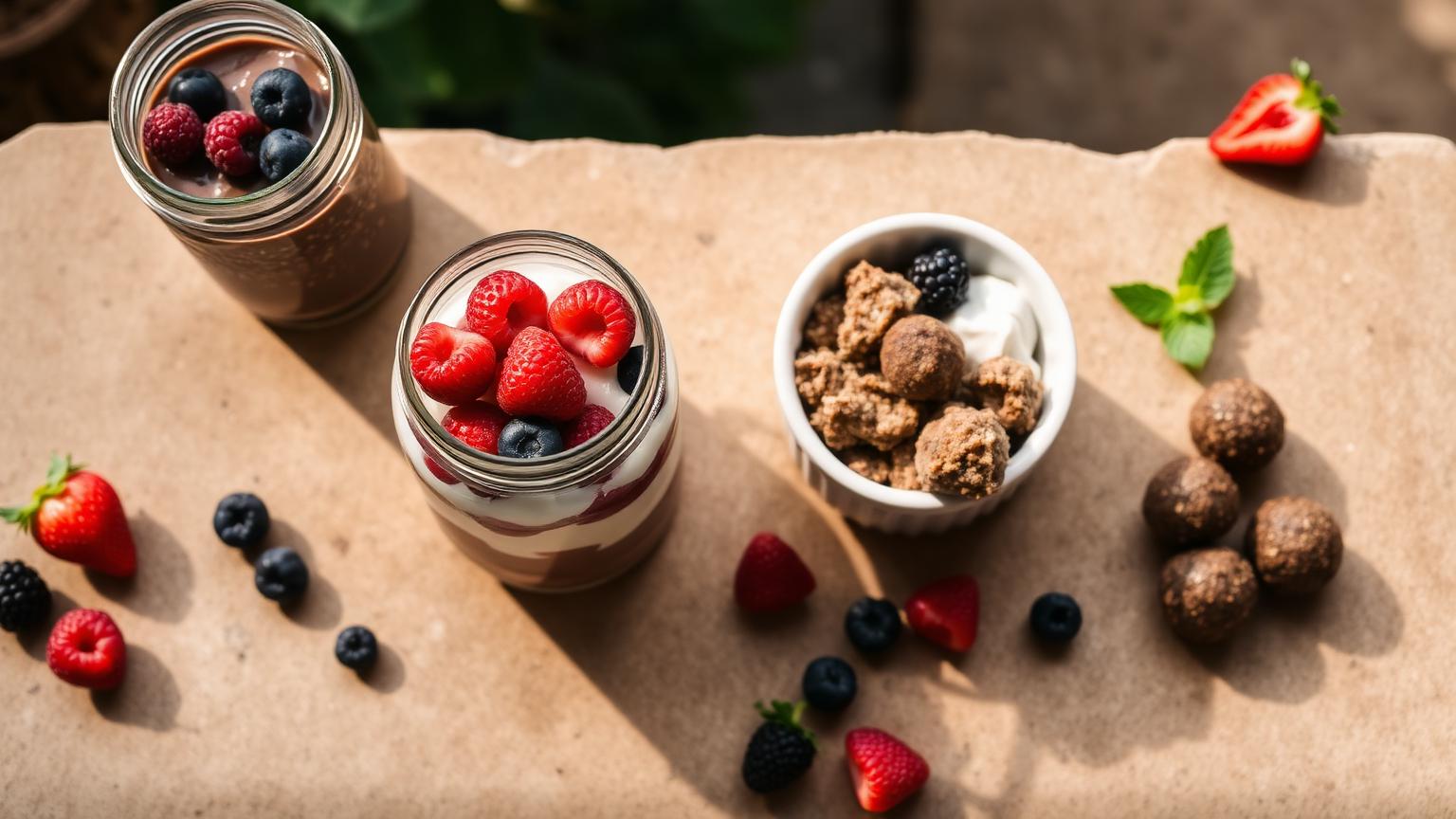
Why Low-Calorie Desserts Are Worth Taking Seriously
There's a persistent myth in the wellness world that eating healthy means eliminating dessert entirely. That view isn't just joyless — it's also counterproductive. Research consistently shows that extreme restriction leads to binge cycles, psychological stress around food, and lower diet adherence over time.
The smarter approach? Reframe dessert rather than eliminate it. Here's why low-calorie, high-protein halal desserts are genuinely worth building into your routine:
1. They support sustainable calorie management. A dessert with 140–200 calories fits easily into virtually any daily calorie goal. You're not "cheating" — you're eating strategically.
2. High-protein desserts reduce overall hunger. Protein triggers satiety hormones more effectively than sugar or fat alone. A chocolate protein pudding with 18g of protein doesn't just taste good — it actually helps control appetite for hours afterward. This is one of the most underappreciated advantages of protein-enriched sweet recipes.
3. They stabilize blood sugar better than conventional sweets. Recipes built around chia seeds, Greek yogurt, and protein powder have a dramatically lower glycemic impact than traditional desserts. You get the satisfaction without the sugar spike and crash that follows.
4. Chia seeds are a nutritional powerhouse. Several recipes in this collection are built around chia seeds, and for good reason. Chia is loaded with omega-3 fatty acids, soluble fiber, calcium, magnesium, and plant-based protein. The gel-forming property of chia when combined with liquid creates a pudding texture that's both filling and genuinely pleasant to eat.
5. Greek yogurt adds calcium, probiotics, and protein. Yogurt-based desserts — like the bark and clafoutis recipes here — deliver a meaningful dose of gut-supporting probiotics alongside protein and calcium. It's one of the few dessert bases that actually improves your digestive health.
6. Fruit-based crumbles and baked desserts provide antioxidants. Berries, peaches, mangoes, and bananas aren't just natural sweeteners. They're loaded with vitamin C, anthocyanins, potassium, and fiber. When you bake them into crumbles and crisps with oat and protein toppings, you get a dessert that genuinely contributes to your nutritional goals.
My honest opinion: the biggest shift in healthy eating isn't cutting out sweetness — it's upgrading the quality of the sweetness you consume. Every recipe in this collection does exactly that.
Halal Desserts: What to Watch For
Before diving into the recipes, a few notes specific to halal-compliant dessert making:
Gelatin is the main hidden concern. Most conventional puddings, cheesecakes, and mousses use gelatin — which is derived from pork unless specifically labeled halal or plant-based. All the recipes here use halal-friendly setting agents: chia seeds, natural thickeners, or are set by chilling without gelatin. Always double-check any packaged pudding mix or thickener you use.
Protein powder must be halal-certified. Many protein powders contain additives, flavorings, or processing agents that may not be halal. Look for certified halal protein powders from reputable brands, or verify with the manufacturer. Whey from halal-certified dairy, plant-based proteins, and egg white proteins are all viable options.
Vanilla extract can contain alcohol. Conventional vanilla extract uses alcohol as a solvent. Use halal-certified vanilla extract or pure vanilla powder as a substitute in all the vanilla-forward recipes below.
Yogurt and dairy should be halal-certified. Most plain dairy is naturally halal, but flavored or processed dairy products can contain additives. Plain Greek yogurt from reputable brands is generally safe; always read labels on flavored varieties.
With those checkpoints in place, every recipe below can be made fully halal-compliant with common ingredients.
The Recipes: Organized by Category
🍫 Chocolate Puddings & Protein Puddings (The Indulgent Category)
These are the recipes for when you genuinely want to feel like you're having a real dessert. The chocolate-forward recipes here are creamy, rich, and deeply satisfying — and most clock in under 200 calories per serving.
Halal Low Calorie Chocolate Protein Pudding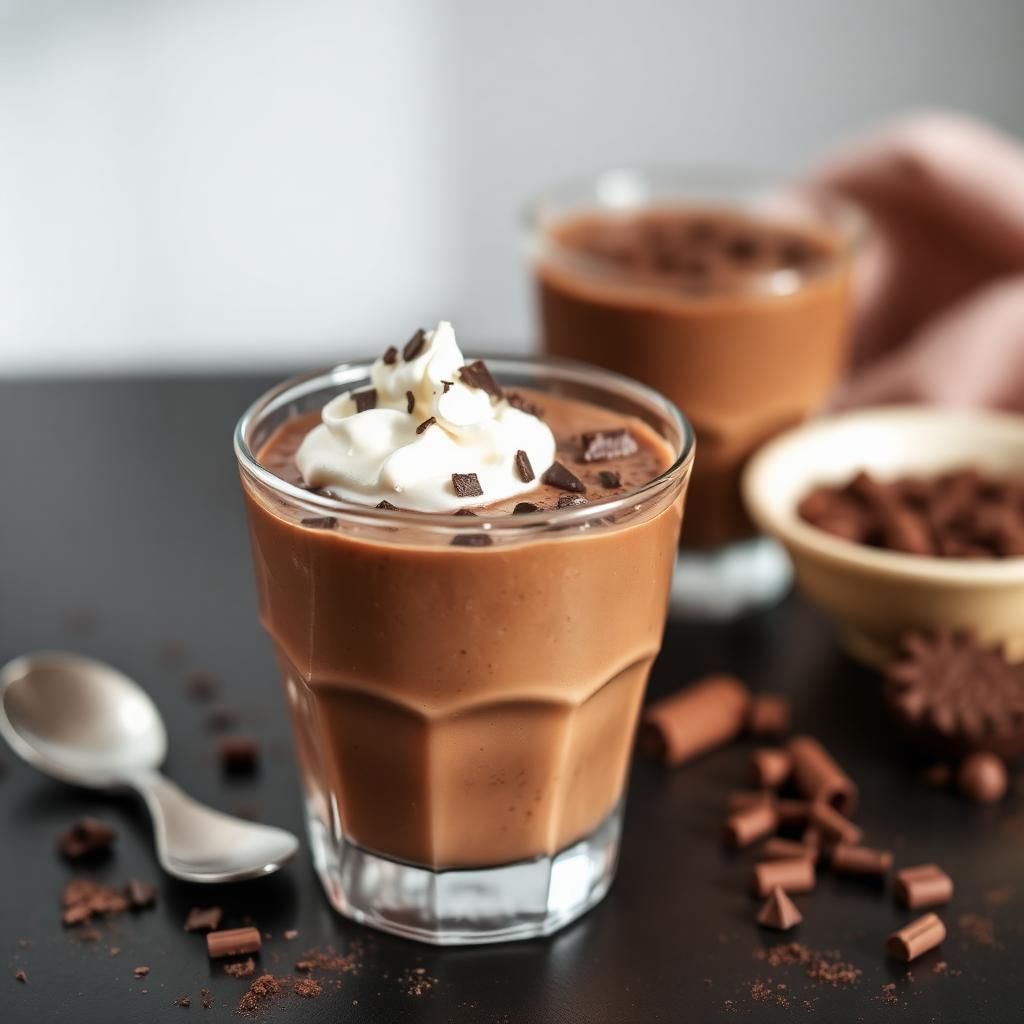
140 kcal | 18g protein per serving
This is the recipe I'd recommend to anyone who thinks healthy desserts have to taste like compromise. Eighteen grams of protein in a chocolate pudding at 140 calories is remarkable — it's genuinely filling and genuinely chocolatey. The protein powder provides structure and richness while keeping the calorie count low. Make a batch on Sunday and you have dessert sorted for the week.
Halal Low Calorie Chocolate Banana Protein Pudding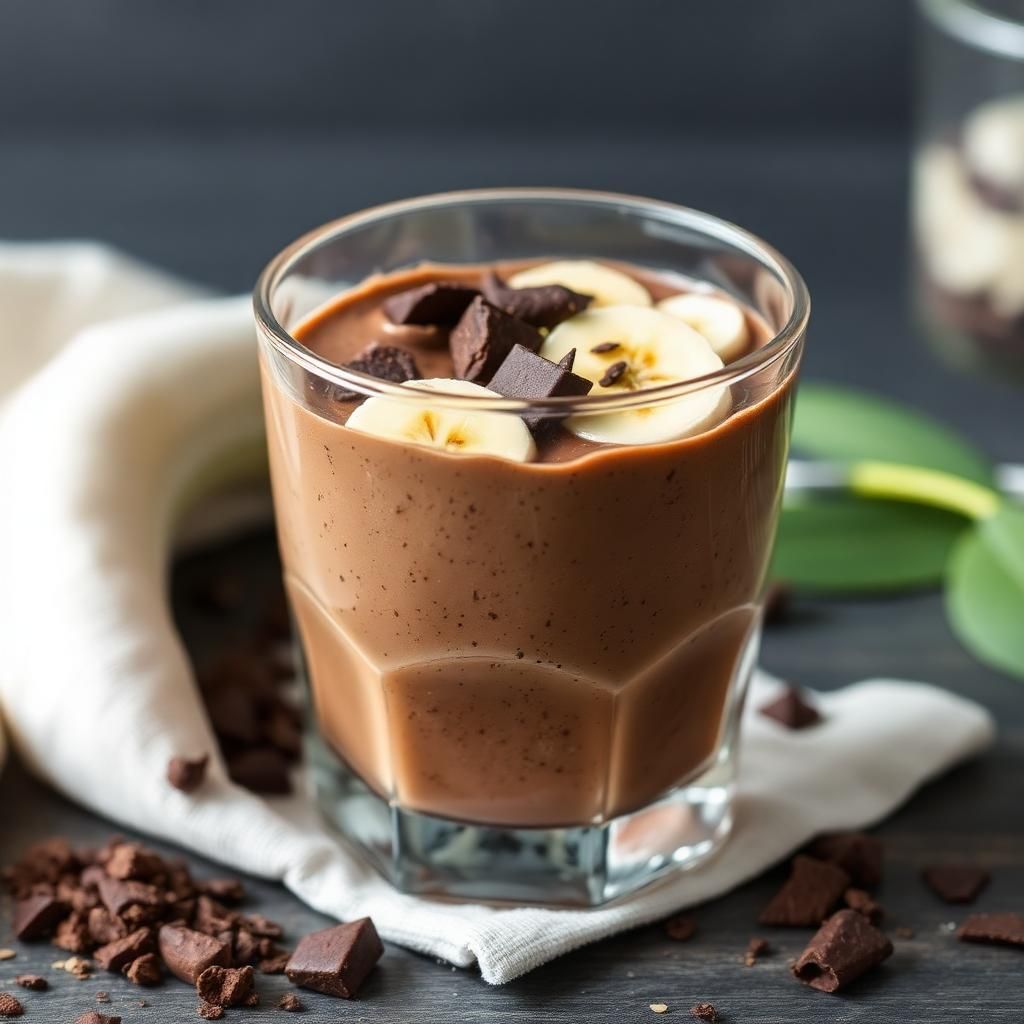
The banana adds natural sweetness and a creamier texture than the straight chocolate version, plus a dose of potassium. This is a great entry point if you find pure protein puddings too dense — the banana softens everything out beautifully. Also works brilliantly frozen into popsicles.
Halal Low Calorie Chocolate Avocado Pudding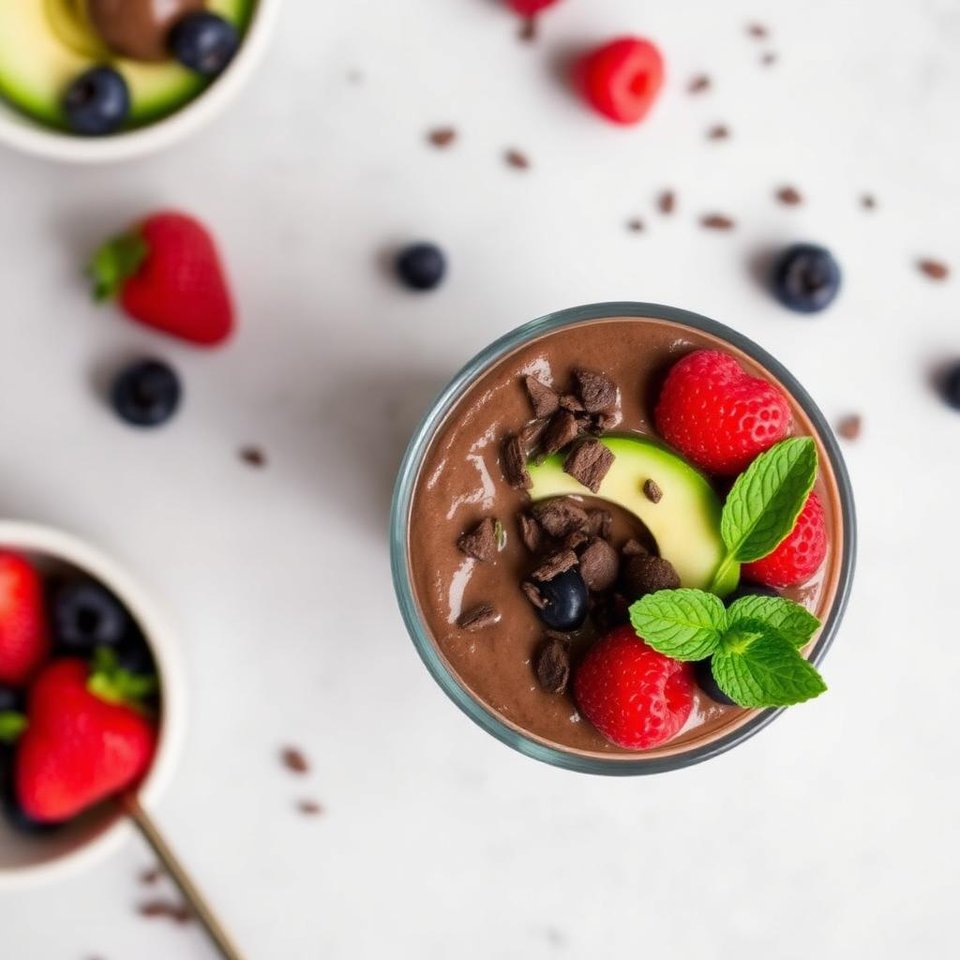
This one surprises people. Blended avocado creates the creamiest pudding texture imaginable — smoother than anything made with dairy, and loaded with monounsaturated fats that support heart health and satiety. The chocolate flavor completely masks the avocado. If you haven't tried avocado chocolate pudding, you're genuinely missing one of the best-kept secrets in healthy eating.
Halal Chia Seed Chocolate Pudding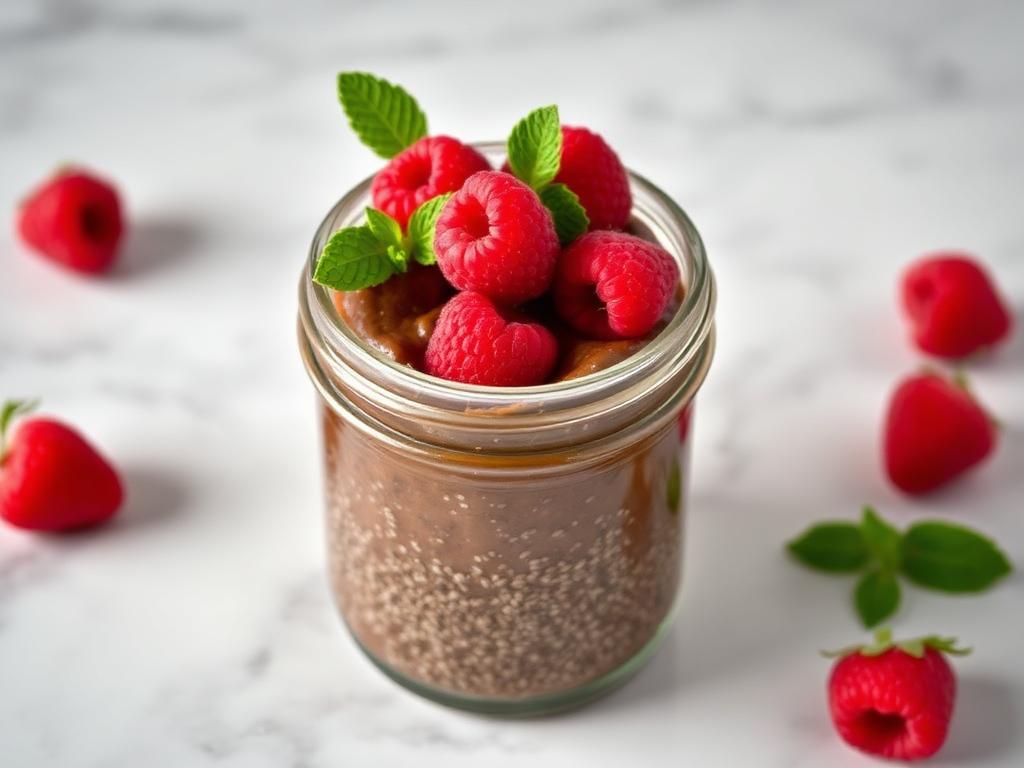
The chia-based version of chocolate pudding offers a slightly different texture — that characteristic tapioca-like bite from the expanded chia seeds. It's higher in fiber and omega-3s than the protein powder versions, and equally satisfying. Make it the night before and it's ready the moment you want it.
Halal High Protein Vanilla Protein Pudding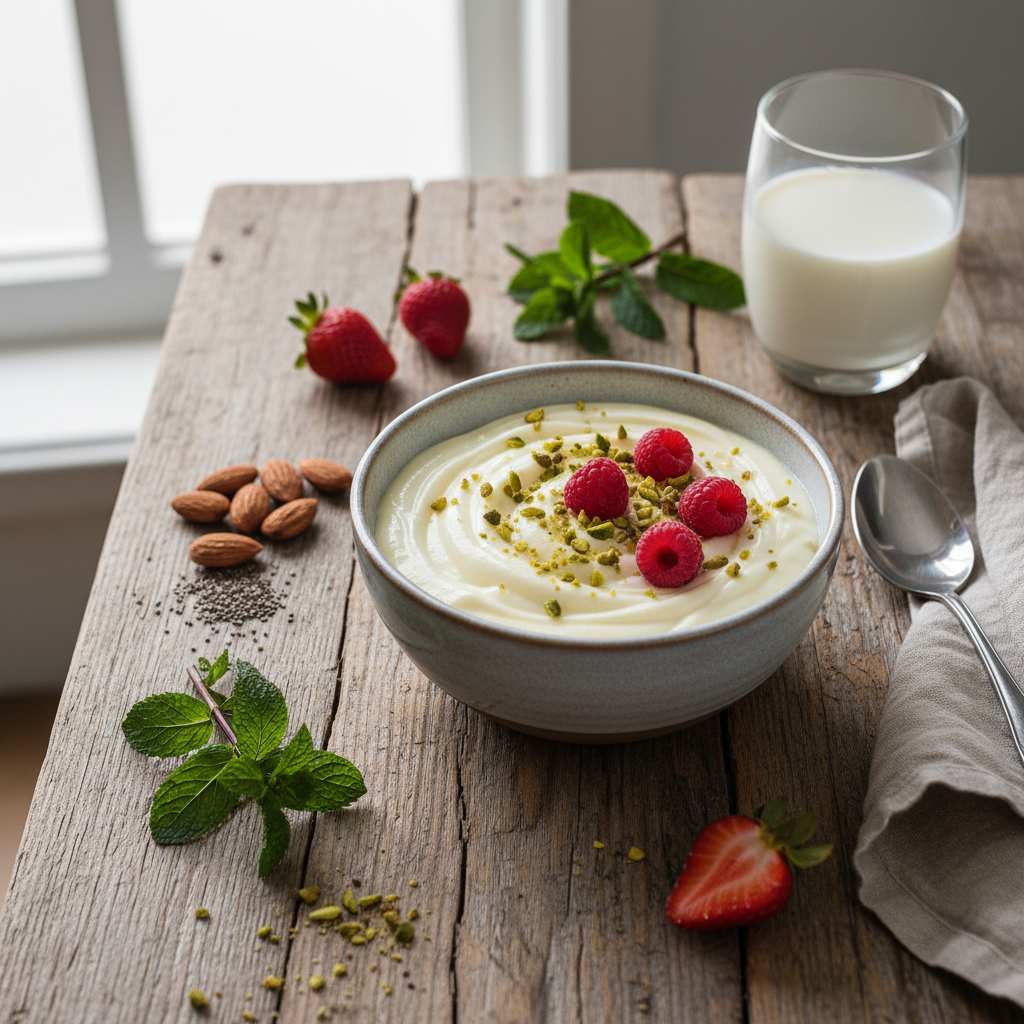
Not everyone reaches for chocolate. This vanilla protein pudding is clean, lightly sweet, and incredibly versatile as a base — layer it with fruit, swirl in nut butter, or eat it straight. High in protein, low in sugar, and ready in minutes.
🌱 Chia Puddings (Fiber-Rich, Omega-3 Packed, Endlessly Customizable)
Chia puddings are arguably the most practical healthy dessert format that exists. They take 5 minutes to prepare, require no cooking, keep in the fridge for 5 days, and can be flavored in dozens of ways. This collection covers the full flavor spectrum.
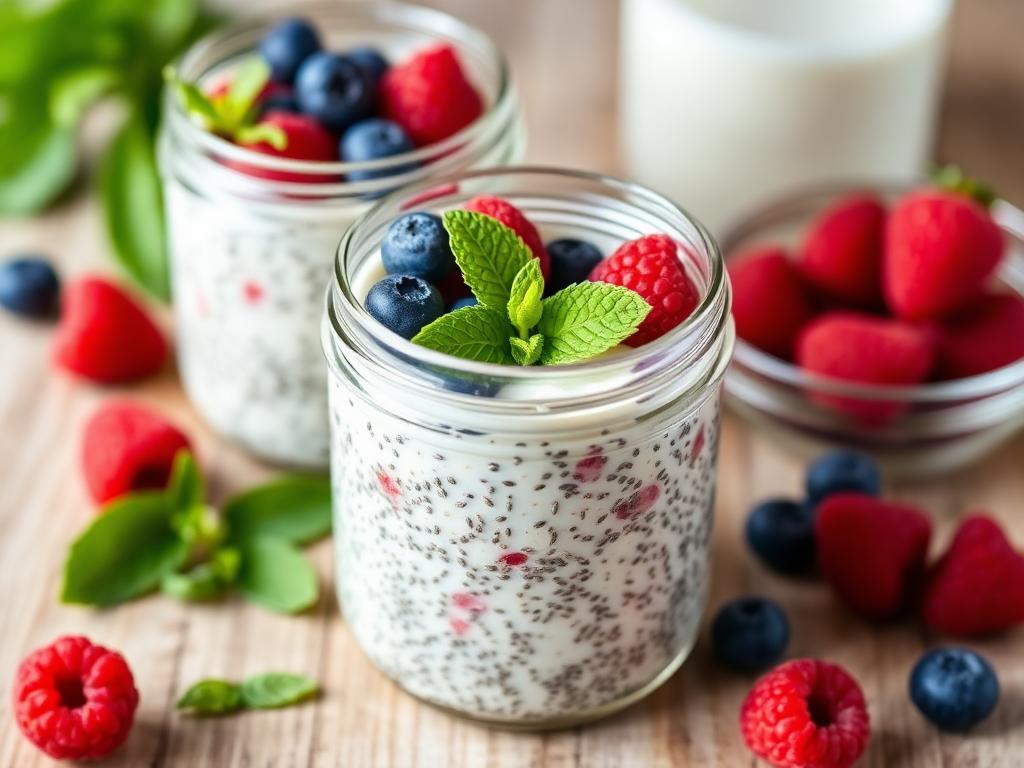
The foundational recipe. If you've never made chia pudding before, start here. It teaches you the ratio (typically 3 tablespoons of chia to 1 cup of liquid) and the technique (stir after 5 minutes to prevent clumping). Once you have this base, every other chia pudding on this list becomes a variation you can riff on indefinitely.
Halal Low Calorie Strawberry Banana Chia Pudding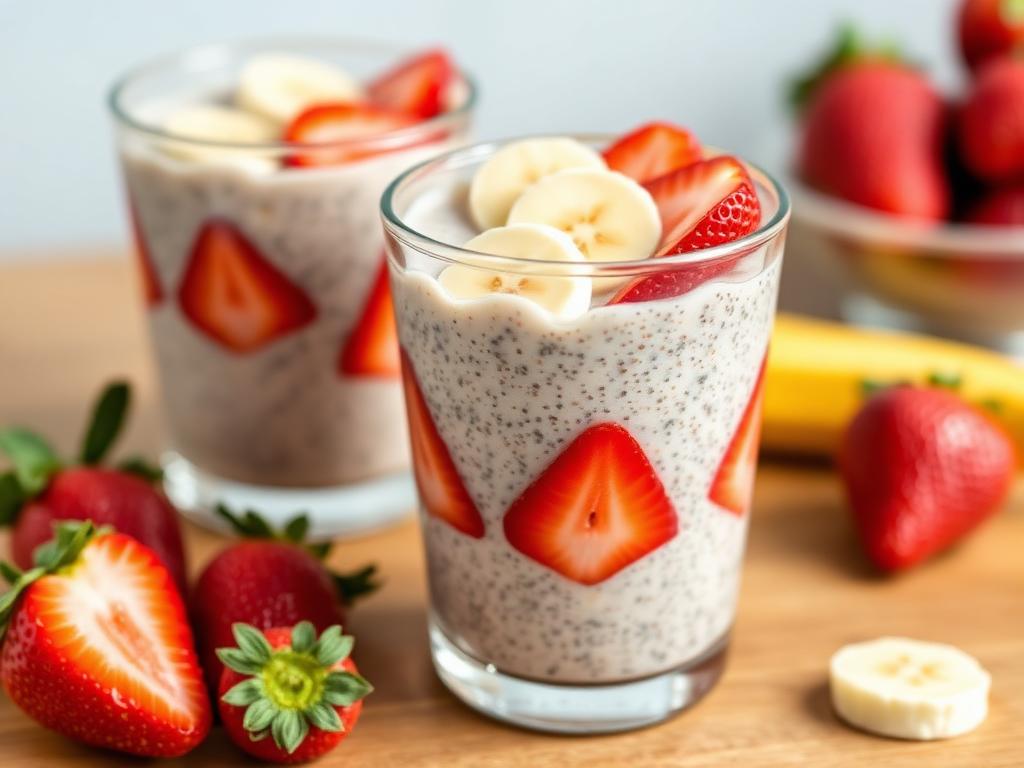
A fruity, naturally sweet chia pudding that's bright, colorful, and feels like summer in a jar. The strawberry-banana combination is classic for a reason — the flavors complement each other perfectly, and both fruits provide natural sweetness without any added sugar needed. Great for kids too.
Halal Low Sugar Mango Chia Pudding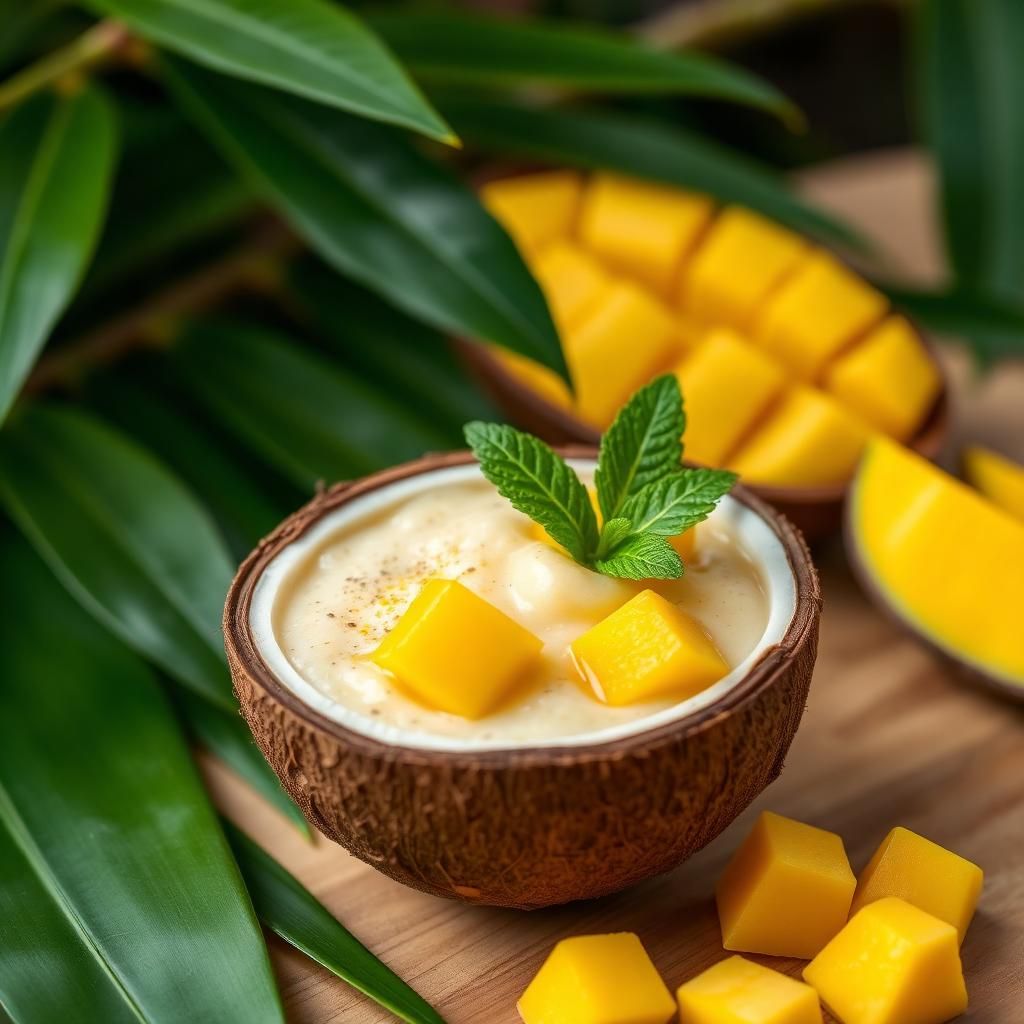
Mango chia pudding has a tropical, almost dessert-shop quality to it. Mango is naturally sweet and high in vitamin C, making this one of the more nutritionally dense options in the chia collection. The low-sugar formulation keeps it sensible while the mango flavor makes it feel genuinely indulgent.
Halal Low Sugar Lavender Blueberry Chia Pudding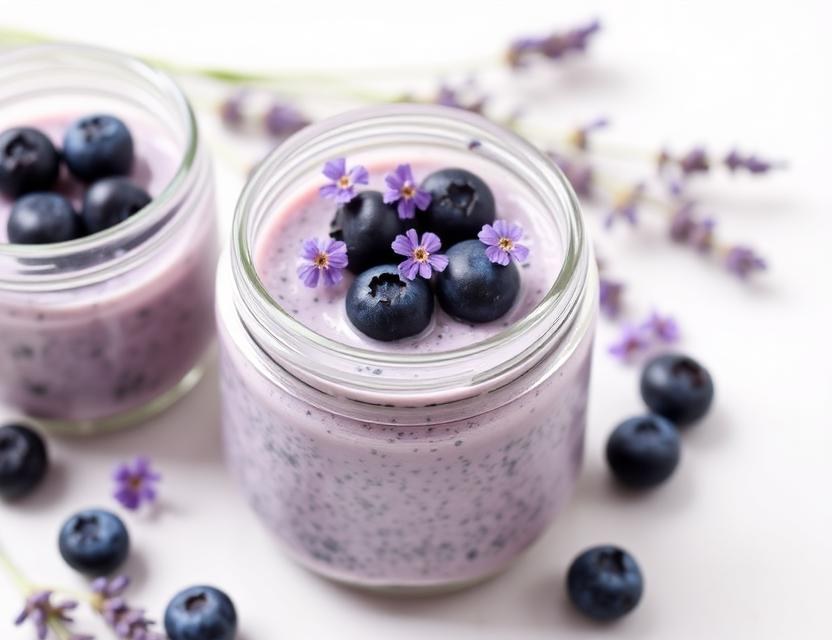
This is the most elegant recipe in the collection. Lavender and blueberry is a sophisticated flavor pairing that feels more like something from a brunch café than a home kitchen. The lavender is used sparingly — enough to add a floral note without being overwhelming. Blueberries bring anthocyanins, fiber, and natural color. Make this when you want to impress someone.
Halal Low Sugar Coconut Lime Chia Pudding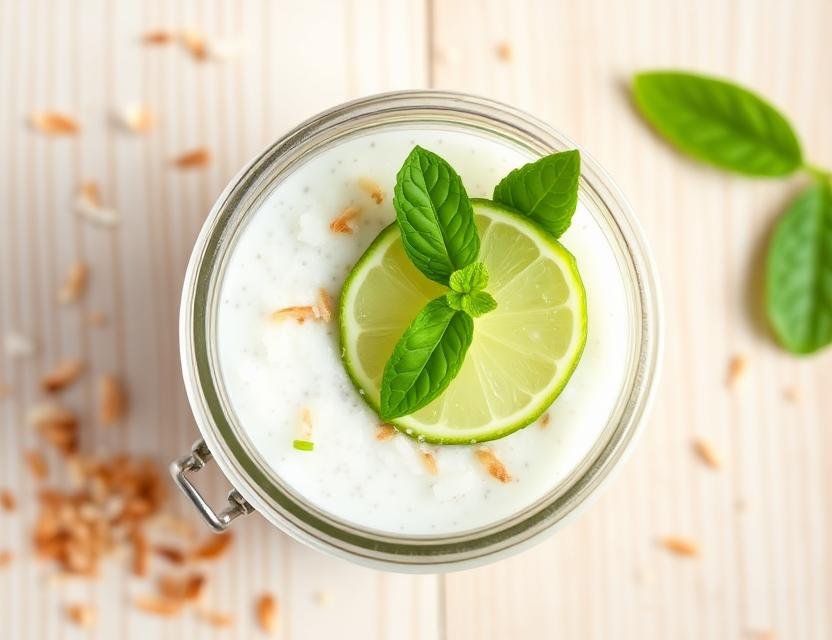
Coconut and lime is one of those flavor combinations that feels instantly refreshing. Coconut milk makes the pudding creamy and rich; lime zest adds brightness and cuts through any heaviness. This one works particularly well in warmer months or as a palate cleanser after a heavier meal. Lower in sugar, high in flavor.
🫐 Yogurt Bark (The Freezer Dessert You Didn't Know You Needed)
Yogurt bark is one of the easiest, most visually impressive healthy desserts you can make. Spread Greek yogurt on a sheet pan, add toppings, freeze, and break into pieces. It takes 10 minutes of active work, keeps in the freezer for weeks, and delivers that cold, creamy satisfaction of ice cream at a fraction of the calories.
Halal Low Calorie Blueberry Yogurt Bark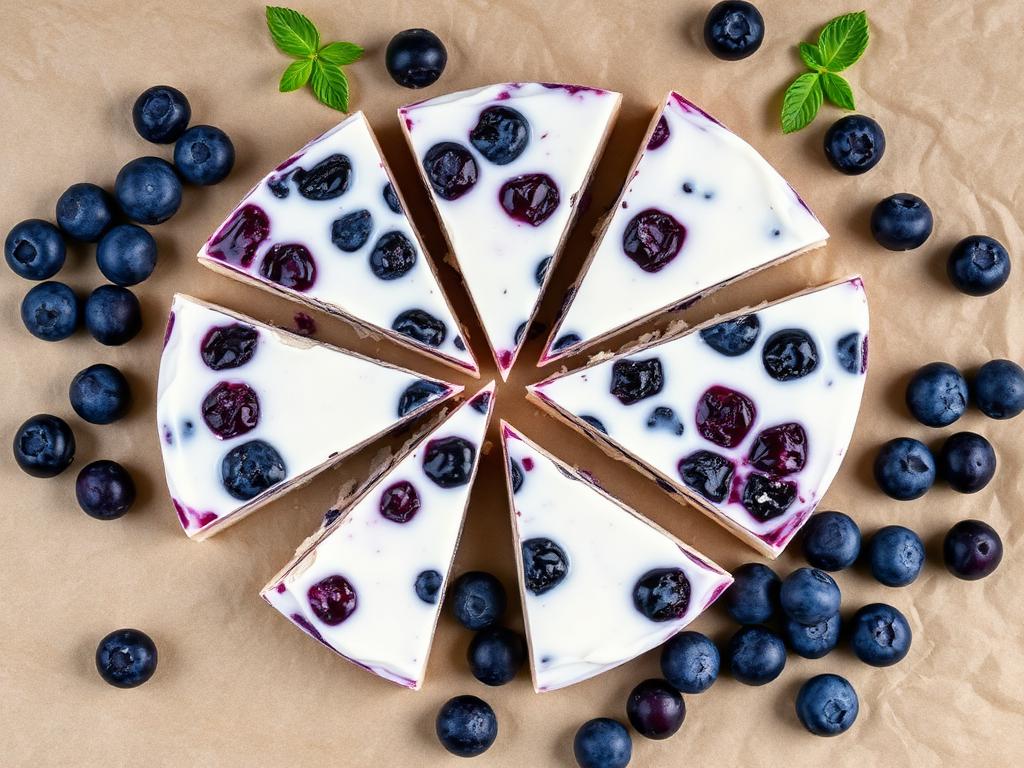
The classic. Blueberries on frozen yogurt bark is a combination that looks beautiful and tastes even better. The blueberries burst slightly when frozen, releasing their juice into the yogurt and creating natural purple swirls. Rich in probiotics, antioxidants, and protein — this is genuinely one of the best snack desserts in the collection.
Halal Low Calorie Strawberry Yogurt Bark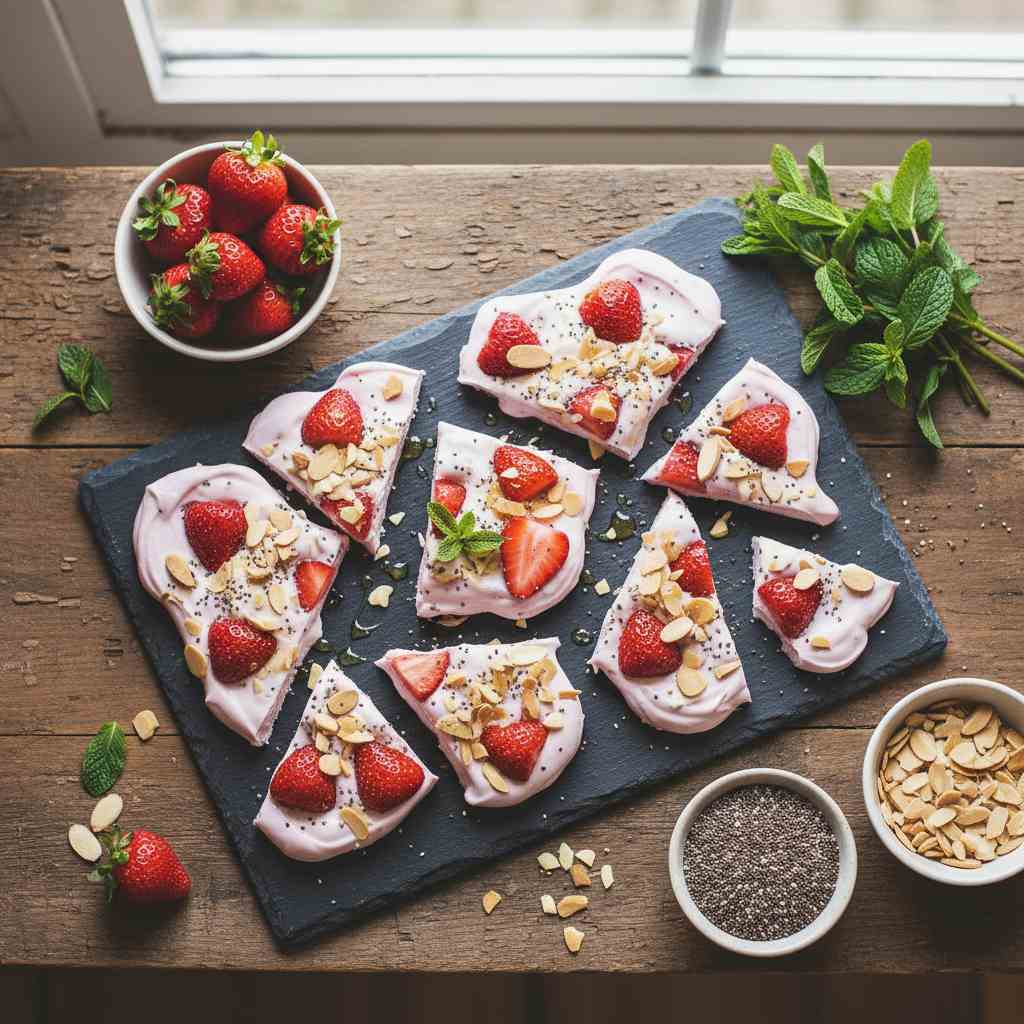
A slightly sweeter variation with the same ease of preparation. Strawberries add vitamin C and a vibrant color that makes this look like something from a health food store. Keep a batch in your freezer at all times — it's the healthy version of reaching for ice cream.
🍑 Baked Fruit Crumbles & Crisps (Warm Comfort Desserts)
If chia puddings are the no-cook solution and yogurt bark is the freezer solution, baked crumbles and crisps are the warm comfort solution. These recipes deliver the cozy, satisfying feeling of traditional baked desserts with a nutritional profile that's genuinely impressive.
Halal Oven Baked Mixed Berry Protein Crisp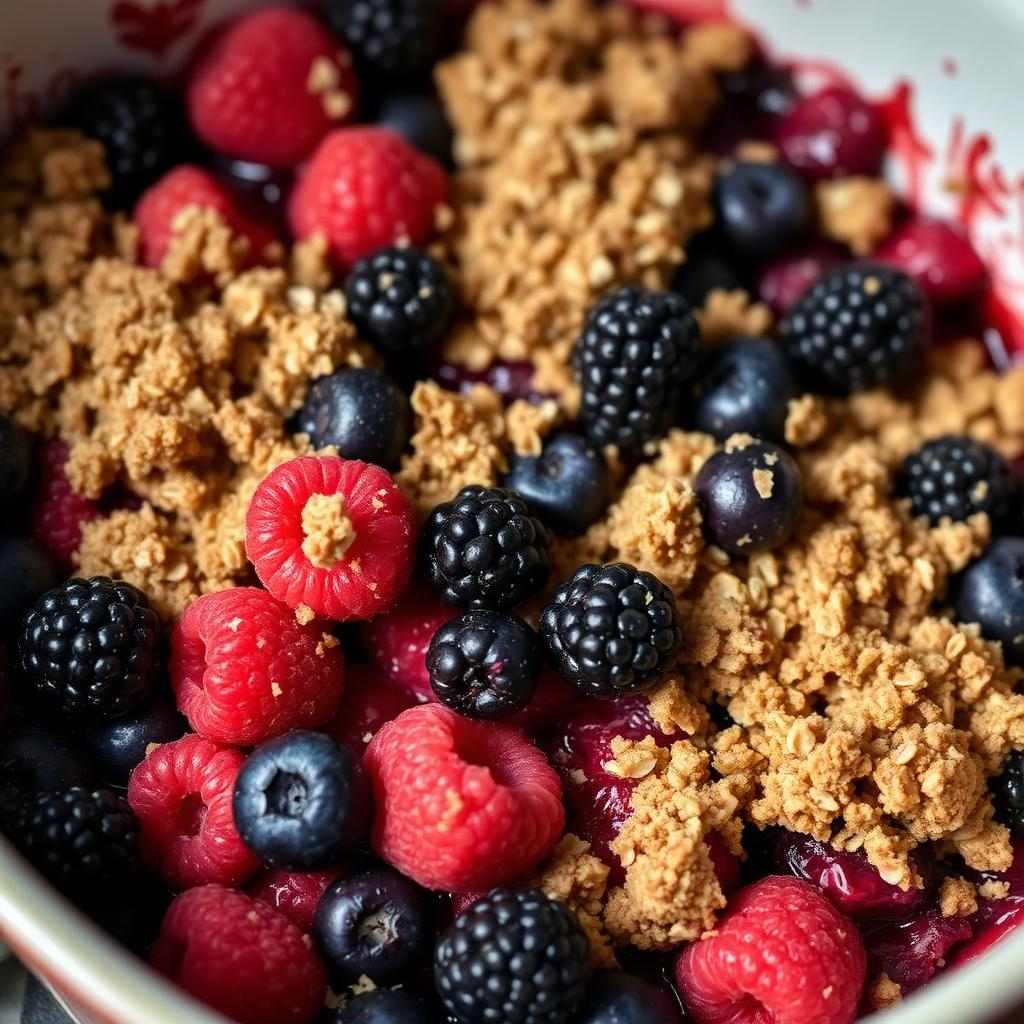
The protein crisp format is clever: the oat and nut topping is enhanced with protein powder, turning the crumble layer into a nutritional contributor rather than just a sugary crown. Mixed berries provide a tart, jammy base that contrasts beautifully with the crispy topping. Serve warm with a spoonful of Greek yogurt and this genuinely rivals a restaurant dessert.
Halal Oven Baked Peach Protein Crisp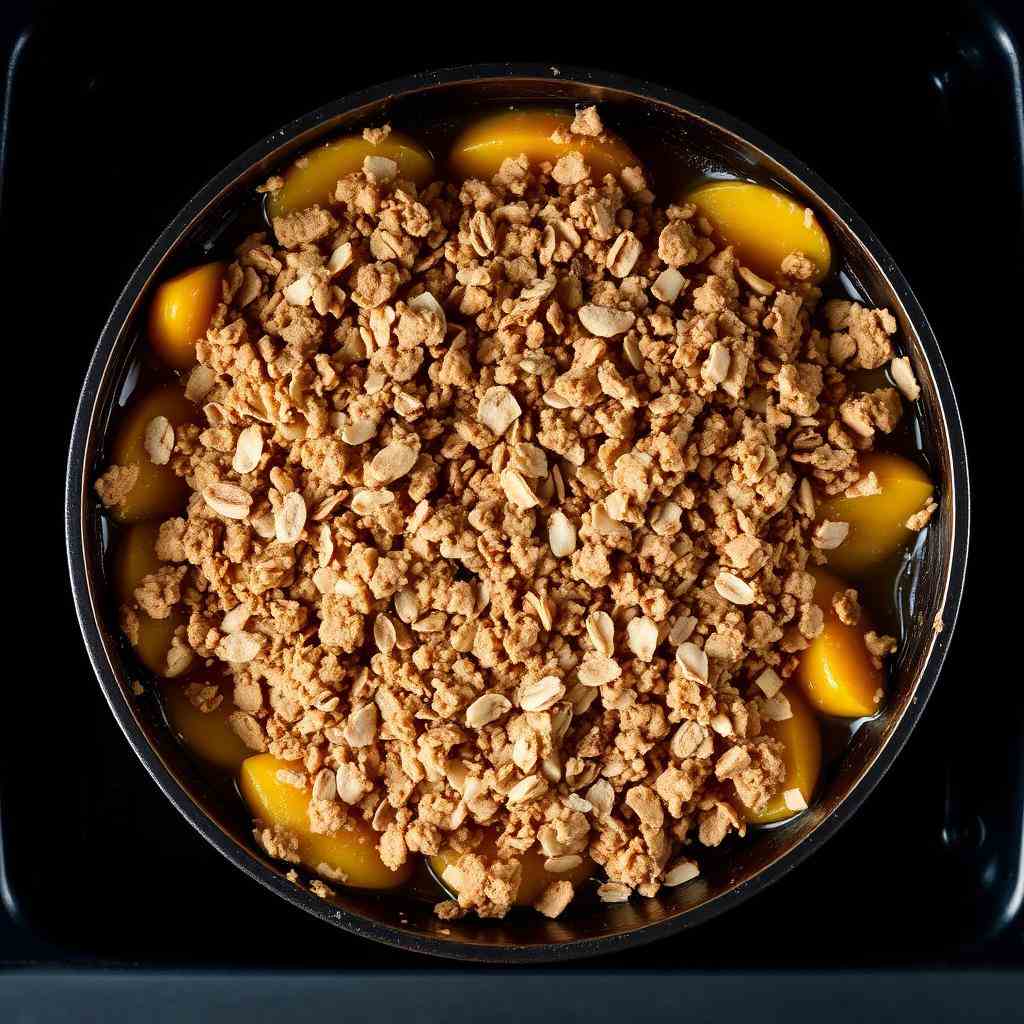
Peaches baked into a crisp become intensely sweet and jammy — their natural sugars concentrate in the oven and the result is extraordinary. The protein crisp topping adds substance and keeps the calorie-to-satisfaction ratio extremely high. This is peak seasonal eating when peaches are in season; use frozen peaches in winter and the result is nearly identical.
Halal Oven Baked Blueberry Crumble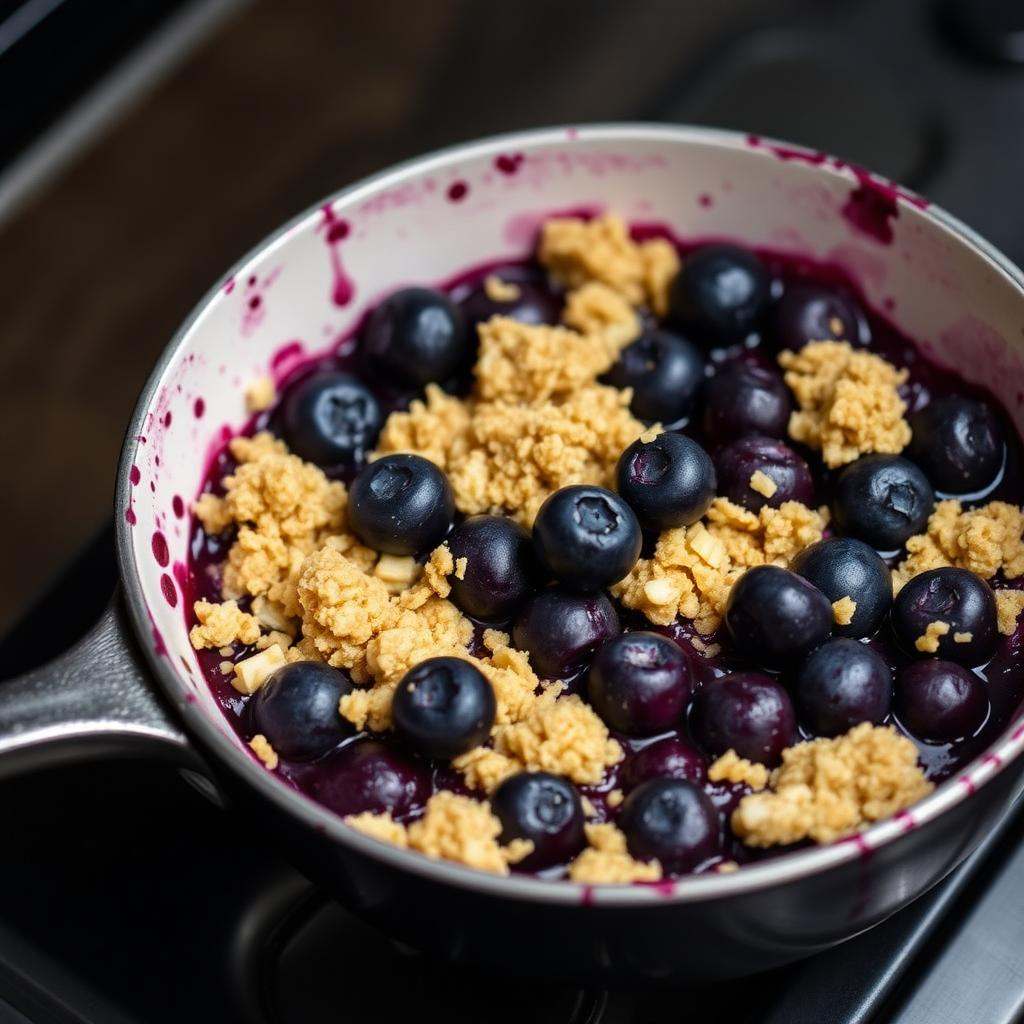
A healthy spin on a British classic. Blueberry crumble is deeply comforting — bubbly, sweet-tart fruit beneath a golden oat topping. The healthy version uses less sugar, swaps refined flour for oats and almond flour, and keeps the portion size honest. Still feels like a proper treat.
Halal Oven Baked Peach Banana Crumble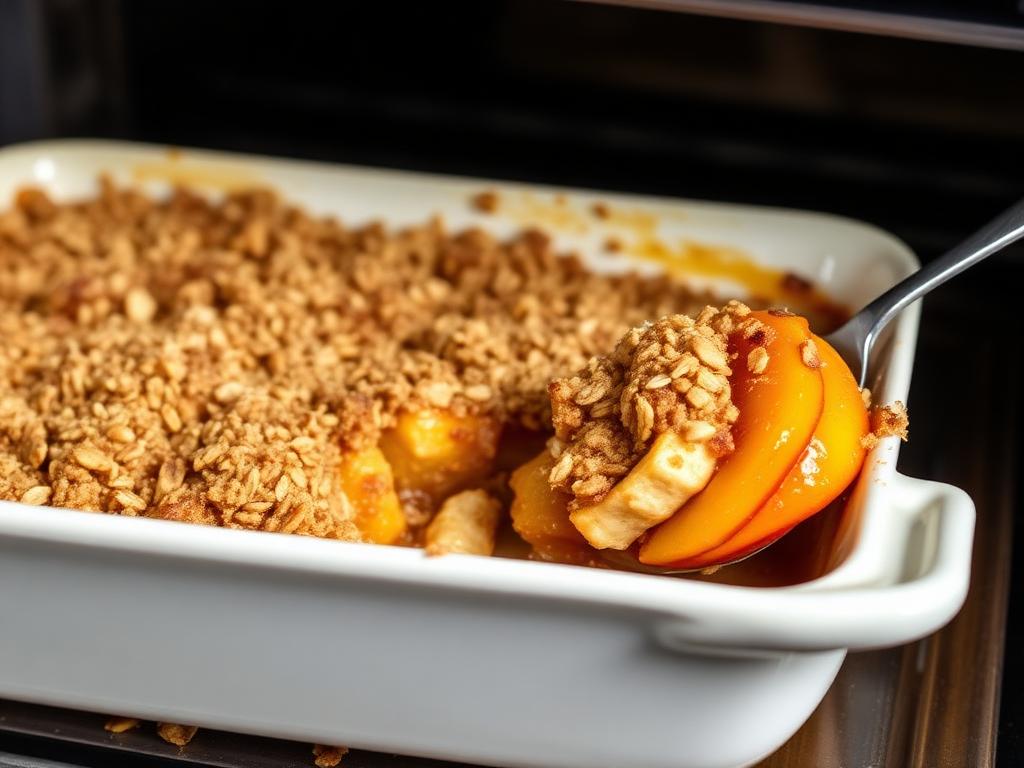
This pairing is inspired. Banana softens into an almost caramel-like sweetness during baking, which enriches the peach and creates a denser, more indulgent-tasting base without any added sugar needed. One of the most naturally sweet recipes in the collection.
🍰 Cheesecakes & Overnight Oats (High-Protein, Meal-Prep Heroes)
This final cluster covers the most meal-prep-friendly recipes in the collection — dishes that double as both dessert and a high-protein breakfast, depending on when you eat them.
Halal High Protein Vanilla Protein Cheesecake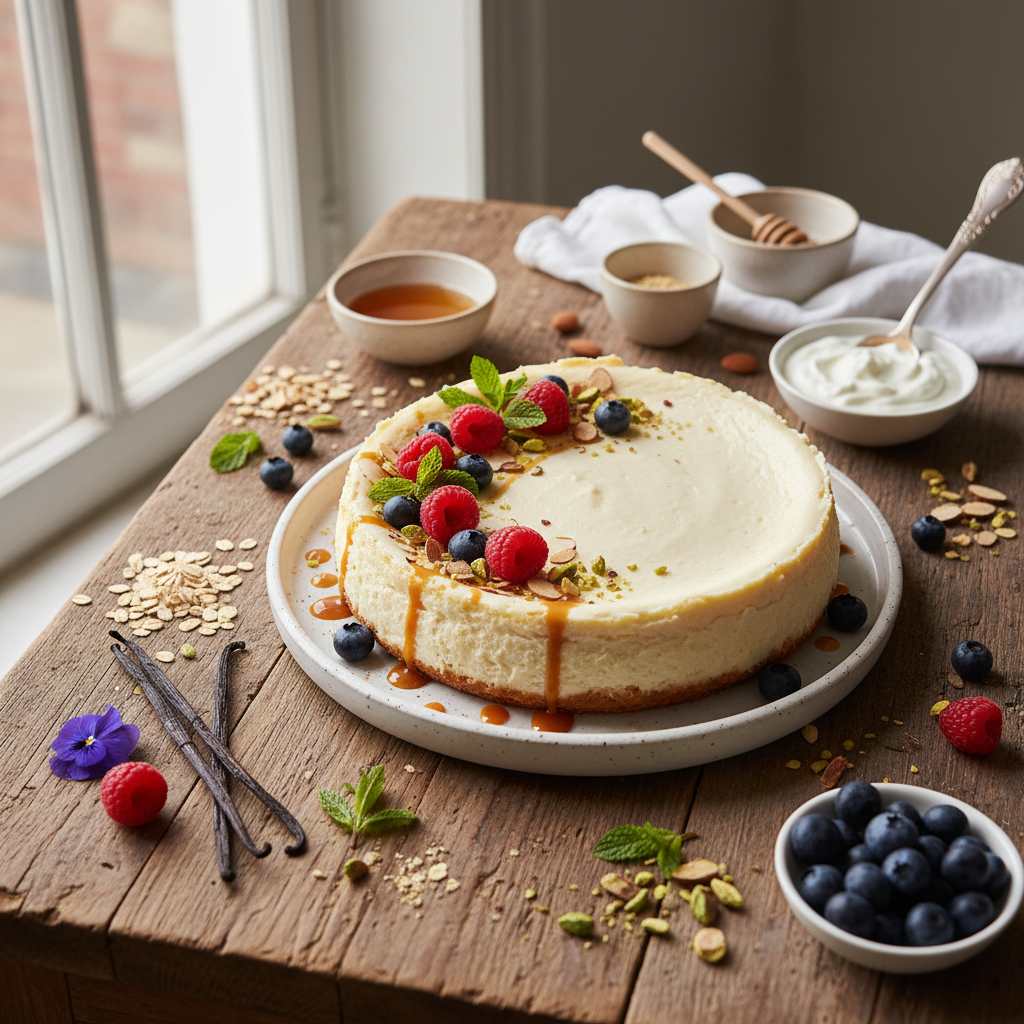
A protein cheesecake that actually tastes like cheesecake. This uses halal-friendly cream cheese, Greek yogurt, and vanilla protein powder to create a creamy, dense filling with a fraction of the calories of a traditional cheesecake. It's not trying to be a restaurant dessert — it's trying to be a practical, genuinely satisfying weekly staple. It succeeds.
Halal Baked Strawberry Cheesecake Overnight Oats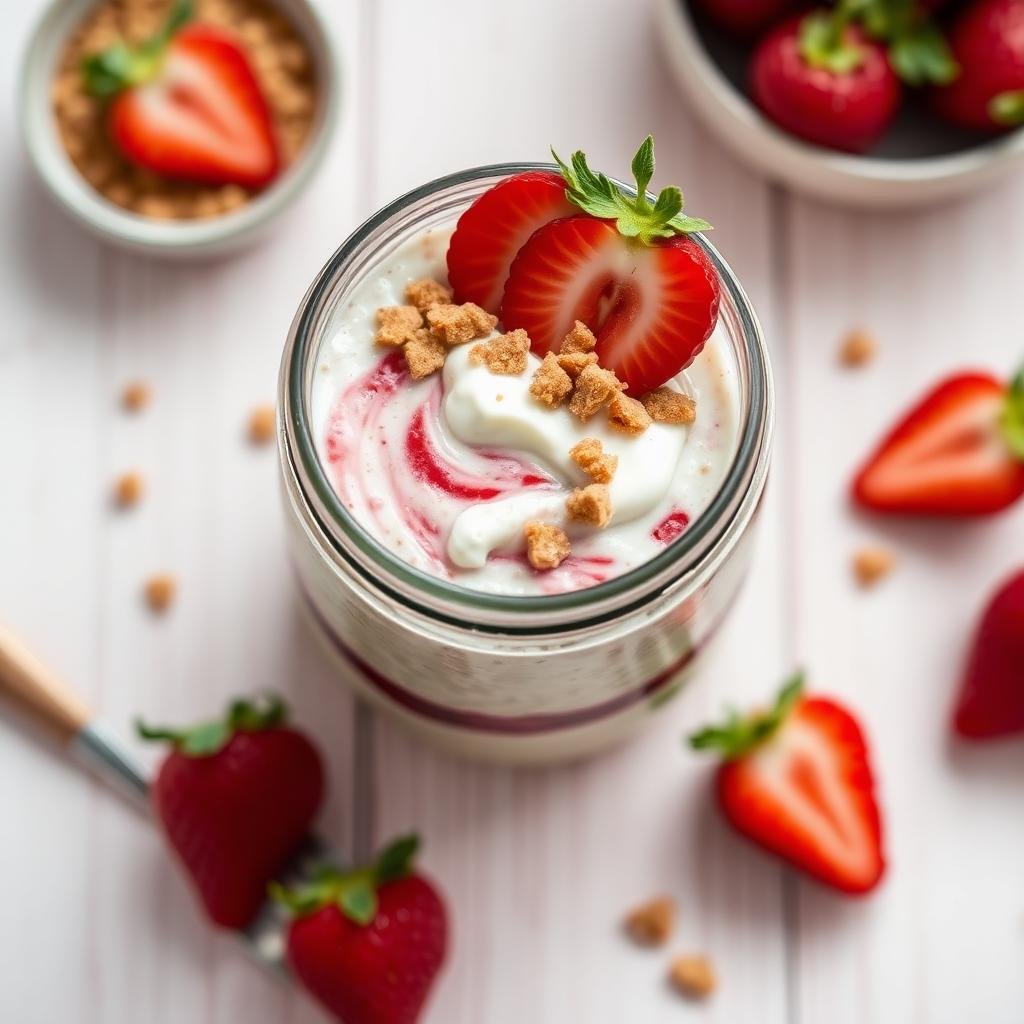
This is the most creative format in the collection: overnight oats baked into a cheesecake-flavored bar. The strawberry and cream cheese flavors come through clearly, and the oats provide slow-release carbohydrates alongside protein. Eat it as breakfast or dessert — it genuinely works for both.
Halal Oven Baked Raspberry Cheesecake Overnight Oats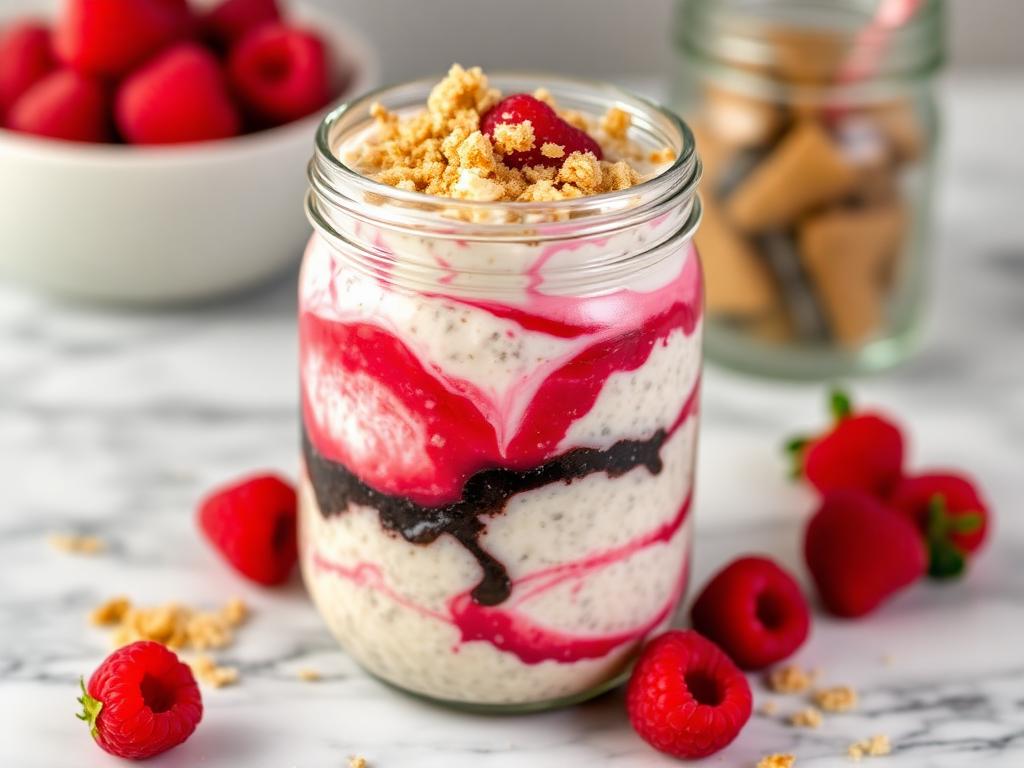
The raspberry version of the baked overnight oats has a slightly more tart, sophisticated flavor profile. Raspberry and cream cheese is a classic pairing — the acidity of the berries cuts through the richness of the cheesecake layer beautifully. Excellent for meal prep; make a batch on Sunday and slice into portions for the week.
🫐 Baked Classics (Elevated Healthy Versions)
Halal Berry Greek Yogurt Clafoutis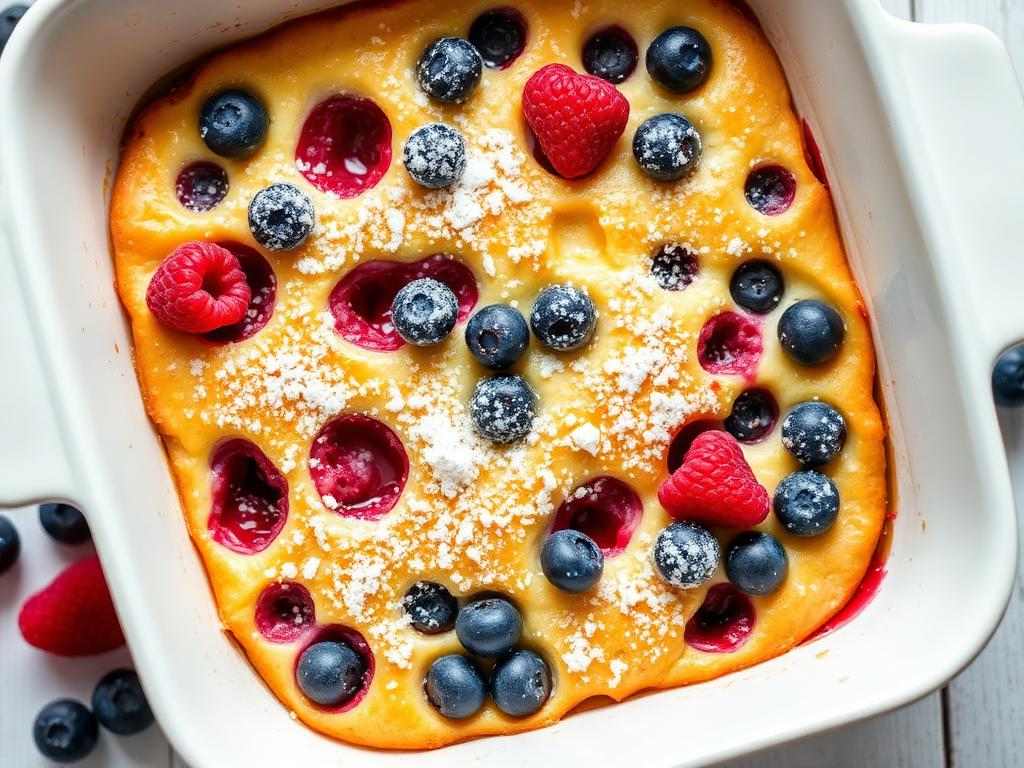
The clafoutis is a French baked dessert — somewhere between a pancake and a custard — and this Greek yogurt version is one of the most elegant healthy desserts I've come across. The Greek yogurt replaces cream and reduces calories dramatically while adding protein and a pleasant tang. Bursting with mixed berries, it's beautiful enough to serve to guests and simple enough to make on a weeknight.
How to Build a Healthy Halal Dessert Routine
Having the recipes is only half the battle. Here's how to actually integrate these into your week:
Batch prep chia puddings on Sunday. Make three or four flavors in separate jars and you have dessert or afternoon snacks covered for the entire week. They keep for 5 days in the fridge and require zero effort during the week.
Keep yogurt bark in the freezer at all times. It takes 10 minutes to make and lasts for weeks. When you're craving something cold and sweet, it's there. This alone eliminates most late-night snack decisions.
Bake crumbles on the weekend. Fruit crumbles reheat beautifully in the oven or microwave. Make one on Saturday and eat it across three or four days.
Use protein cheesecake as your weekly staple. Slice it into portions, refrigerate, and eat one slice per day. It's structured, calorie-controlled, and satisfying enough to prevent dessert cravings from becoming unmanageable.
Rotate by season. Mango and coconut lime work brilliantly in summer. Peach and blueberry crumbles feel right in late summer and autumn. The chocolate puddings are year-round. Matching recipes to the season keeps your dessert rotation feeling fresh and not repetitive.
Ingredient Swaps & Customization Guide
One of the best things about this recipe collection is how customizable each format is. Here are the key swaps:
Sweetener: Most recipes use a small amount of honey, maple syrup, or ripe fruit as the primary sweetener. You can reduce this further or substitute with erythritol, monk fruit sweetener, or stevia for a lower-sugar version.
Milk: Any plant-based milk (almond, oat, coconut) or regular halal-certified dairy milk works in the chia puddings and protein puddings.
Protein powder: Vanilla and chocolate are the two most versatile flavors. Plant-based protein powders work just as well as whey in all these recipes.
Fruit: The fruit in crumbles, barks, and chia puddings is almost entirely interchangeable. Use whatever is in season or in your freezer.
Greek yogurt: Can be substituted with coconut yogurt for a dairy-free version in all bark and clafoutis recipes.
Frequently Asked Questions
Are these recipes suitable for weight loss? Yes. Most recipes in this collection are between 140–300 calories per serving, high in protein and fiber, and low in refined sugar — which is exactly the nutritional profile that supports sustainable weight management.
Can children eat these recipes? Absolutely. The fruit-based chia puddings, yogurt bark, and crumbles are particularly kid-friendly. The protein puddings work well for children who are active or need extra protein in their diet.
Can I make these recipes dairy-free? Most can be adapted. Swap Greek yogurt for coconut yogurt, use a plant-based protein powder, and use oat or almond milk in place of dairy. The chia puddings are already dairy-free in most versions.
How long do these desserts keep? Chia puddings: 5 days refrigerated. Yogurt bark: 3–4 weeks frozen. Baked crumbles and crisps: 4–5 days refrigerated or 3 months frozen. Protein puddings: 4–5 days refrigerated.
Do I need any special equipment? No. A blender is helpful for the avocado chocolate pudding and some protein pudding recipes, but most recipes require only a bowl, a whisk, and a jar. The baked recipes need a standard oven dish or sheet pan.
Final Thoughts
Healthy dessert isn't a contradiction in terms — it's a skill. Once you understand how to work with chia seeds, Greek yogurt, ripe fruit, and quality protein powder, you can build a dessert repertoire that satisfies cravings, supports your nutritional goals, and stays fully halal.
These 20 recipes give you a complete toolkit: no-cook puddings for busy weekdays, freezer bark for impulse moments, baked crumbles for weekend comfort, and high-protein cheesecakes for structured meal planning. There's something for every occasion, every season, and every craving.
The goal isn't perfection. It's building a relationship with food where dessert is something you genuinely enjoy without guilt — because it's actually nourishing you. These recipes make that possible.
Explore the full recipe collection at Nutryio.fit for more halal-friendly, diet-conscious meal ideas across every category.
All recipes developed and published by the Nutryio Editorial team. Nutrition values are estimates. Always verify halal certification on all purchased ingredients including protein powders, vanilla extract, and packaged dairy products.