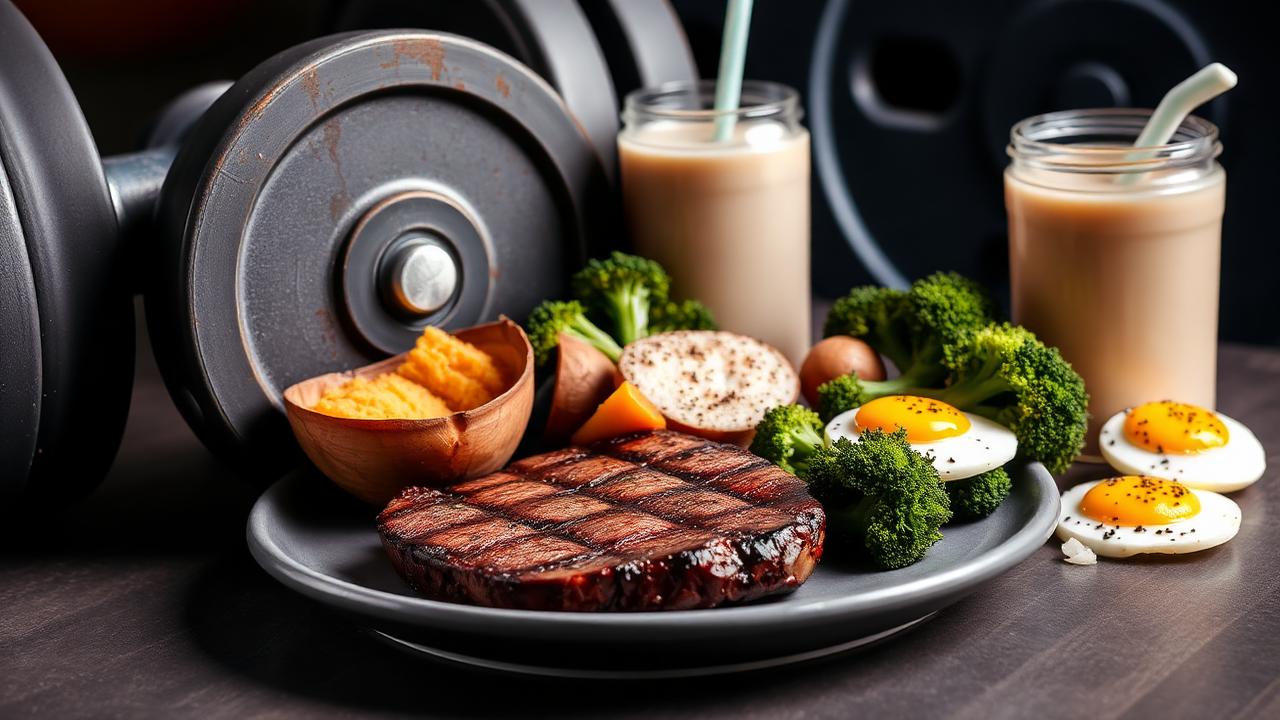
Programming and progressive overload get most of the attention in strength training discussions. But without the right nutritional foundation, even a perfect training program will underdeliver. Here's the complete evidence-based framework for fuelling strength and muscle development.
Calories: The Foundation
Your calorie intake relative to your goal dictates whether you're building, maintaining, or losing. For strength training:
- Lean bulk (building phase): TDEE + 200–350 kcal — sufficient for muscle growth with minimal fat gain
- Maintenance: TDEE — maintains muscle; minimal new growth but performance is preserved
- Cut (fat loss phase): TDEE − 300–500 kcal — maintain muscle with high protein and continued training
Protein: The Priority Macro
Protein is the non-negotiable macro for strength athletes. Research consensus supports:
- Muscle building: 1.6–2.0g per kg of bodyweight daily
- Cutting (muscle preservation): 2.0–2.4g per kg of bodyweight daily
- Distribution: Spread across 4–5 meals (20–40g per meal) — the body can only use ~40g for MPS at a time
- Leucine threshold: Ensure at least 2.5–3g of leucine per meal to maximally stimulate muscle protein synthesis
Total daily protein intake matters more than timing for most people. The "anabolic window" post-workout is real but much wider than the 30-minute myth — muscle protein synthesis is elevated for 24–48 hours after training.
Carbohydrates: Your Training Fuel
Strength training is primarily powered by glycolysis — the metabolism of carbohydrates. Low glycogen impairs performance, recovery, and muscle protein synthesis. General targets:
- Light training (1–3 days/week): 3–5g/kg/day
- Moderate training (3–5 days/week): 5–7g/kg/day
- Heavy training (5–7 days/week): 6–10g/kg/day
Prioritise carbohydrates around training — pre-workout for energy, post-workout for glycogen replenishment.
Fats: Support, Don't Skimp
Dietary fat is essential for testosterone production — a key anabolic hormone for strength athletes. Don't drop fat below 20–25% of total calories. Include saturated fats (eggs, red meat) alongside unsaturated (olive oil, fatty fish, nuts) for optimal hormone support.
Meal Timing Around Training
- Pre-workout (1–3 hours before): 40–50g carbs + 20–40g protein, low fat/fibre
- Post-workout (within 2 hours): 40–60g fast carbs + 25–40g protein
- Before bed: Casein protein (30–40g) or cottage cheese — slow-release protein that sustains MPS overnight
The Essential Supplements for Strength
- Creatine monohydrate: 5g/day — the only supplement with unambiguous strength and muscle evidence
- Caffeine: 3–6mg/kg body weight pre-workout — improves strength, power output, and perceived exertion
- Vitamin D: 2,000 IU/day if deficient — vitamin D receptors exist in muscle cells and deficiency impairs strength
- Protein powder (optional): Only needed if whole food protein sources are insufficient to hit your daily target
Calculate Your Strength Training Macros
Get your personalised protein, carb, and fat targets for your strength training phase with our macro calculator.
Open Macro Calculator →The Bottom Line
Master calories and protein first. Then dial in carbohydrate timing around training. Keep fat at 20–25% of calories. Add creatine and caffeine. Everything else — meal frequency, specific foods, fancy supplements — is secondary noise.