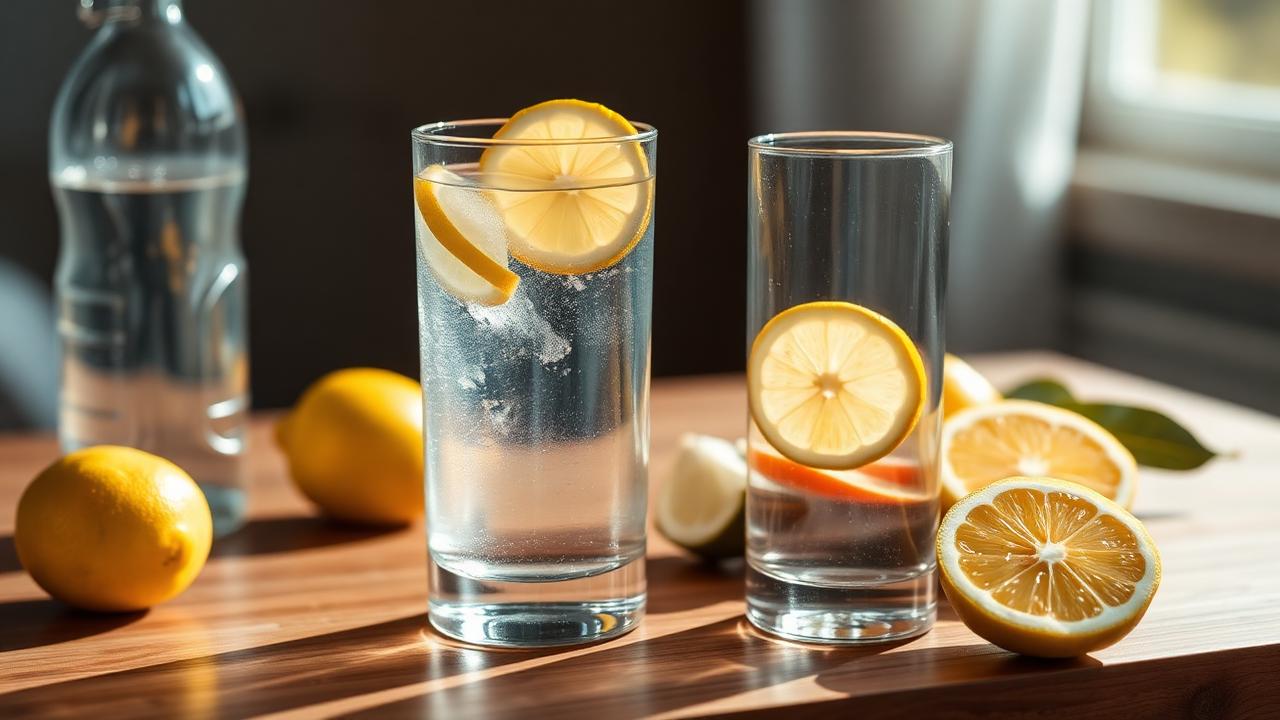
The classic "drink 8 glasses of water a day" advice has been repeated so often it's taken as scientific fact. But research tells a more nuanced story: your hydration needs are highly personal and depend on several factors that have nothing to do with the number 8.
Where Did "8 Glasses" Come From?
The recommendation traces back to a 1945 US Food and Nutrition Board guideline that suggested 2.5 litres of water daily — but that same document noted most of this comes from food. Somewhere along the way, the "from food" part got dropped, and "8 glasses" became gospel.
What Actually Determines Your Water Needs
Body weight
A common evidence-based guideline is 30–35 ml per kg of bodyweight. For a 70 kg person, that's 2.1–2.45 litres — before accounting for exercise or heat.
Activity level
You lose roughly 0.5–1 litre of water per hour of moderate exercise through sweat and breathing. Add that on top of your baseline, especially if you exercise outdoors in warm weather.
Climate and humidity
Hot, humid environments dramatically increase fluid loss. People living in or visiting tropical climates may need 1–2 additional litres per day.
Diet composition
Fruits and vegetables are 80–95% water. A diet rich in whole foods can supply 600–900 ml of water daily. High protein or high sodium diets increase water requirements because more fluid is needed for metabolism and excretion.
A practical hydration check: your urine should be pale yellow — like lemonade. If it's dark amber, drink more. If it's completely clear all day, you may be overhydrating (yes, that's possible).
Signs You're Chronically Dehydrated
Many people walk around mildly dehydrated without realising it. Common signs include:
- Persistent fatigue in the afternoon
- Headaches that improve when you drink water
- Difficulty concentrating or brain fog
- Dry skin and lips
- Constipation or infrequent urination
- Increased hunger (thirst is often mistaken for hunger)
Can You Drink Too Much Water?
Yes — a condition called hyponatremia (low sodium caused by excess water intake) can occur when people drink large amounts of plain water rapidly, particularly during endurance events. For most healthy people drinking water throughout the day this isn't a concern, but if you're exercising for more than 90 minutes, electrolyte drinks are worth considering.
Calculate Your Daily Water Intake
Get a personalised hydration target based on your weight, activity level, and climate — free in seconds.
Open Water Calculator →Practical Tips to Hit Your Target
- Start each morning with a large glass of water before coffee
- Keep a 1-litre bottle on your desk and aim to finish two per day
- Drink a glass of water with every meal and snack
- Drink 400–600 ml in the 1–2 hours before exercise
- If you struggle with plain water, add lemon, cucumber, or mint
The Bottom Line
A better rule of thumb than "8 glasses" is 30–35 ml per kg bodyweight per day, plus extra for exercise and heat. Use urine colour as your daily feedback mechanism and adjust accordingly. Hydration is one of the simplest, cheapest performance and health levers available — and most people are leaving it on the table.