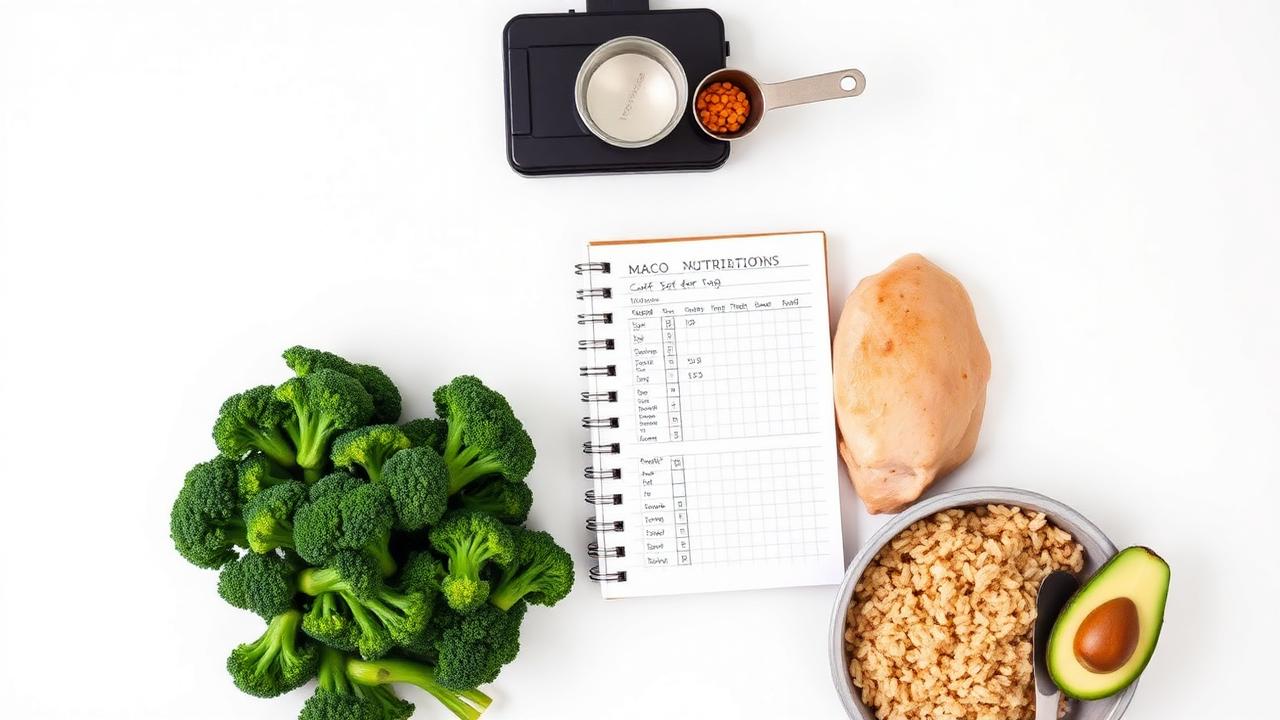
You've probably heard the phrase "counting macros" thrown around in fitness circles. It sounds technical, but the concept is refreshingly simple: instead of obsessing over every calorie or cutting out entire food groups, you track three specific nutrients — protein, carbohydrates, and fat — and make sure you're hitting targets for each one.
What Are Macros?
"Macros" is short for macronutrients — the three main categories of nutrients that provide your body with energy:
- Protein: 4 calories per gram. Builds and repairs muscle, keeps you full, and supports immune function.
- Carbohydrates: 4 calories per gram. Your body's preferred energy source, especially for the brain and during high-intensity exercise.
- Fat: 9 calories per gram. Essential for hormone production, vitamin absorption, and cell health. Higher in calories per gram but also more satiating.
Why Count Macros Instead of Just Calories?
Two meals can have identical calorie counts but very different effects on your body. 500 calories of chicken and vegetables will hit your protein targets, keep you full for hours, and support muscle retention. 500 calories of a sugary snack pack will spike your blood sugar, leave you hungry again in an hour, and provide virtually no protein.
Tracking macros ensures that the calories you eat are working for your goals — whether that's losing fat, building muscle, or improving athletic performance.
You don't need to count macros forever. Many people use it for 8–12 weeks to develop a strong intuitive sense of what a balanced meal looks like — then they stop tracking and maintain their results.
Step 1: Calculate Your Calorie Target
Before setting macro targets, you need a daily calorie goal. Start with your TDEE (Total Daily Energy Expenditure) and adjust based on your goal:
- Fat loss: TDEE minus 300–500 calories
- Maintenance: Eat at TDEE
- Muscle gain: TDEE plus 200–300 calories
Step 2: Set Your Macro Split
A good starting point for most people is:
- Protein: 0.8–1g per pound of bodyweight (1.6–2.2g per kg)
- Fat: 25–35% of total calories
- Carbs: Fill the remaining calories
Example for a 75 kg person at 2,000 calories targeting fat loss:
- Protein: 165g (660 cal)
- Fat: 65g (585 cal)
- Carbs: 189g (755 cal)
Step 3: Track Using an App
Apps like MyFitnessPal, Cronometer, or MacroFactor let you scan food barcodes or search a database of millions of foods. Log everything you eat — including cooking oils, sauces, and drinks — for the first few weeks. Accuracy is crucial early on when you're calibrating your eye for portion sizes.
Common Beginner Mistakes
Not weighing food
Volume measurements like "1 cup of oats" can be off by 20–30%. A cheap kitchen scale eliminates guesswork and makes your tracking far more accurate.
Tracking cooked vs. raw weights incorrectly
Chicken breast loses about 25% of its weight when cooked due to water loss. Always check whether a database entry is for cooked or raw food and be consistent.
Giving up after one imperfect day
Missing your targets one day won't derail your progress. What matters is the weekly average. If you're hitting your macros 5 out of 7 days, you're doing great.
Find Your Macro Targets
Use our free macro calculator to get personalized protein, carb, and fat targets based on your body and goals.
Open Macro Calculator →Flexible Dieting: The Secret Advantage
One of the biggest benefits of macro tracking is flexibility. No food is off-limits — a piece of cake, a burger, even a beer can fit in your macros if you plan around it. This "if it fits your macros" (IIFYM) approach makes adherence dramatically easier than rigid elimination diets.
You can eat at restaurants, attend social events, and travel — as long as you make reasonable estimates and stay close to your daily targets.
The Bottom Line
Counting macros takes a few weeks to feel natural, but once you get the hang of it, you'll have a nutrition system that's flexible, evidence-based, and highly effective. Start with protein — hit that target first, then fit your carbs and fat around it. The rest falls into place.