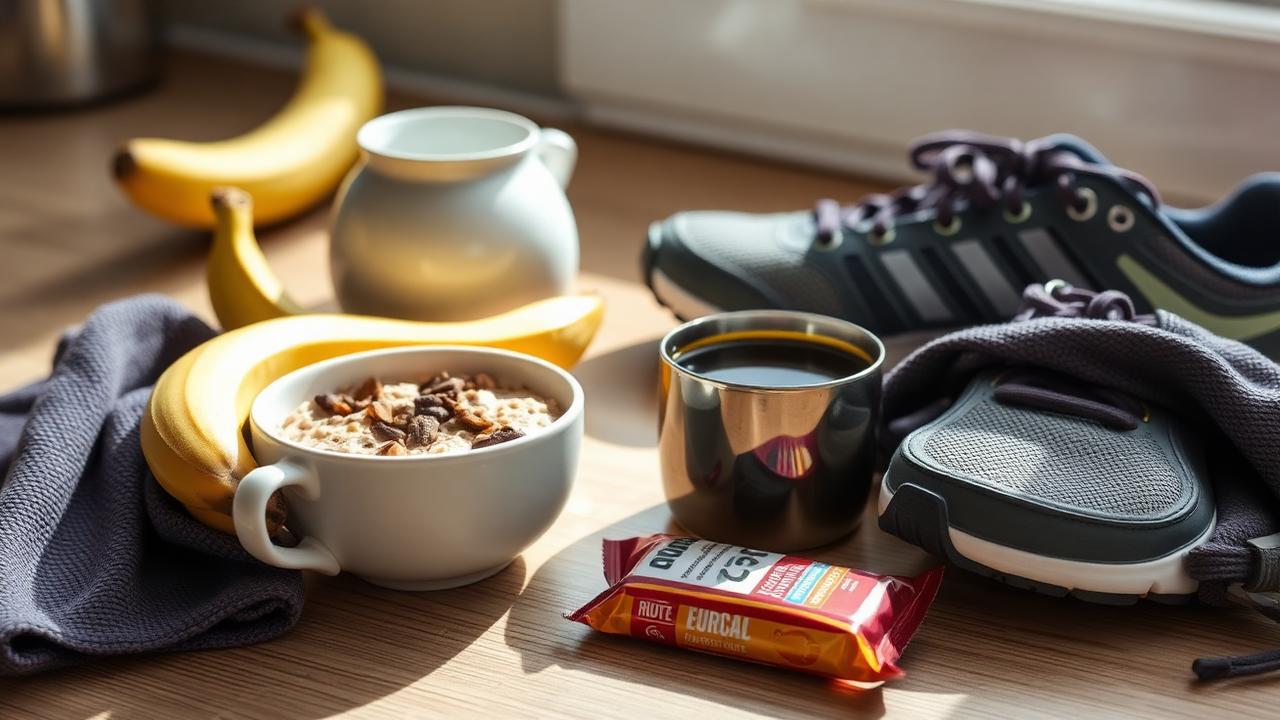
What you eat in the 1–3 hours before training can meaningfully influence your energy levels, performance, and post-workout recovery. While overall daily nutrition is the biggest lever, smart pre-workout fuelling can provide an extra edge — especially for longer or higher-intensity sessions.
The Goal of Pre-Workout Nutrition
Three objectives drive pre-workout eating: top up glycogen stores for sustained energy, protect muscle protein from being used as fuel, and avoid gastrointestinal discomfort during training.
Timing Matters
The closer you eat to your workout, the smaller and simpler your meal should be:
- 3–4 hours before: Full mixed meal — protein, complex carbs, some fat (e.g. chicken, rice, vegetables)
- 1–2 hours before: Moderate meal, lower in fat and fibre (e.g. oats with protein, toast with eggs)
- 30–60 minutes before: Small, fast-digesting snack (e.g. banana with whey protein, rice cakes)
- Training fasted: Fine for low-to-moderate intensity; have a protein-rich meal ready post-workout
High-fat and high-fibre foods slow gastric emptying significantly. Eating them too close to training can cause bloating, cramping, and sluggishness. Prioritise carbs and protein in your pre-workout window.
The Best Pre-Workout Foods
Carbohydrates (primary fuel source)
Oats, white rice, sweet potato, banana, white bread, rice cakes. Fast-digesting carbs are best 30–60 minutes before training; slower options suit the 2–3 hour window.
Protein (muscle protection)
Chicken breast, eggs, Greek yoghurt, whey protein shake, cottage cheese. Aim for 20–40g to saturate muscle protein synthesis signalling before the session begins.
What to Avoid
Large quantities of fat (cheese, oils, fatty meats), high-fibre vegetables (broccoli, beans), and carbonated drinks — all of which can cause discomfort during vigorous training.
Caffeine: The One Supplement That Consistently Works
100–200mg of caffeine (1–2 cups of coffee) taken 45–60 minutes before training is supported by hundreds of studies showing improvements in strength, endurance, and perceived effort. It remains one of the most cost-effective performance tools available.
Calculate Your Daily Calorie Needs
Pre-workout nutrition works best within a well-structured daily calorie plan. Use our calorie calculator to find yours.
Open Calorie Calculator →The Bottom Line
For most people, a meal 1–3 hours before training containing 30–50g of carbs and 20–40g of protein is optimal. If you train first thing in the morning, a small fast-digesting snack or training fasted are both viable. Don't overthink timing — consistent daily nutrition is what matters most.