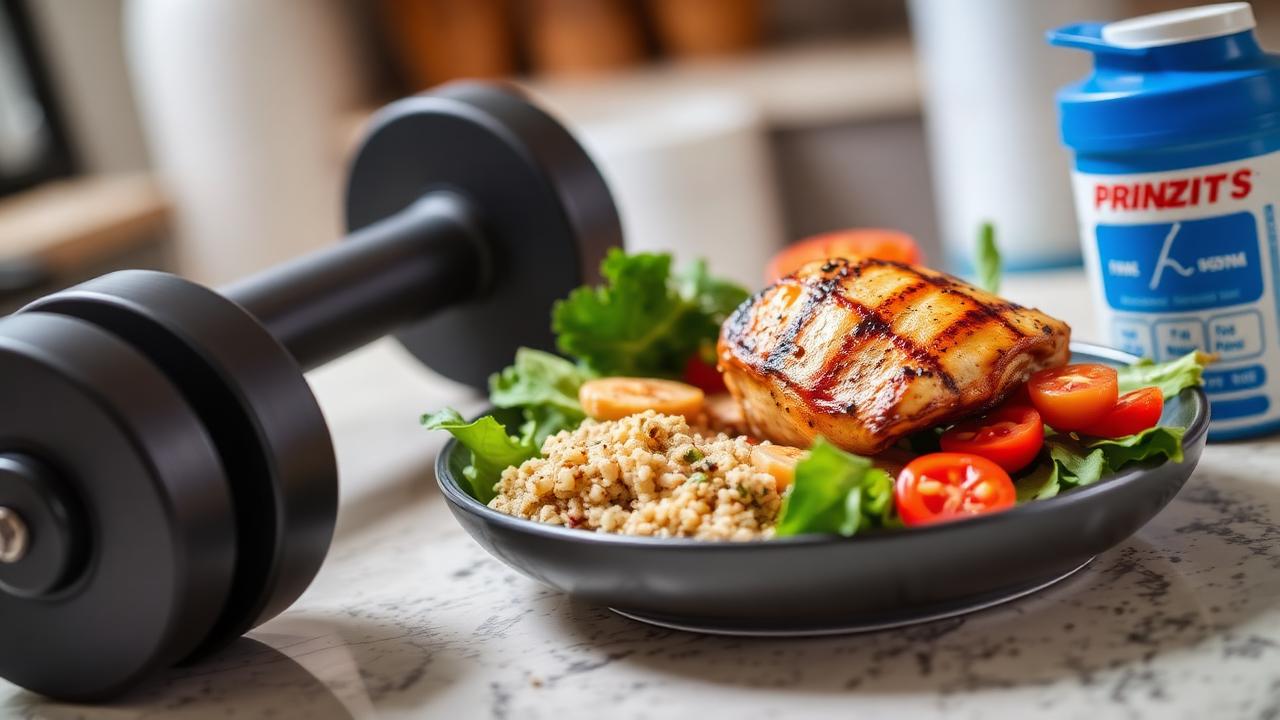
Most people who "lose weight" actually lose a frustrating mix of fat, muscle, and water. Losing muscle during a cut is costly: it slows your resting metabolism, reduces strength, impairs the lean, toned appearance you're working toward, and makes future fat gain more likely. Here's how to protect it.
Why Muscle Is Lost During a Deficit
In a calorie deficit, your body needs fuel from somewhere. Without sufficient dietary protein and training stimulus, it breaks down muscle protein (gluconeogenesis) to maintain blood glucose and essential functions. The deeper the deficit and lower the protein intake, the more muscle you sacrifice.
Step 1: Use a Moderate Deficit
A deficit of 300–500 calories per day is the sweet spot for fat loss with muscle preservation. Larger deficits (800+) accelerate muscle loss disproportionately and are difficult to sustain. Aim to lose 0.5–1% of your bodyweight per week — faster than this almost always involves muscle loss.
Step 2: Prioritise Protein — Higher Than You Think
During a deficit, protein requirements increase. Research supports intakes of 2.0–2.4g per kg of bodyweight during active fat loss — significantly higher than the building-phase recommendation of 1.6g/kg. This higher intake provides amino acids to maintain MPS even when total calories are reduced.
If you do nothing else from this guide, raise your protein intake. In study after study, higher protein during a deficit is the single most powerful predictor of lean mass retention during weight loss.
Step 3: Continue Resistance Training
Cardio alone does not preserve muscle during a deficit. Resistance training sends a powerful anabolic signal that tells your body the muscle is needed and should not be broken down. Maintain your training frequency and intensity during a cut — don't drastically reduce volume just because you're eating less.
Step 4: Don't Cut Carbs Too Aggressively
Carbohydrates are protein-sparing — they prevent the body from using muscle amino acids for energy. Very low-carb diets during a deficit increase the risk of muscle loss, especially for athletes performing high-intensity training. Keep carbohydrates as high as possible while still hitting your deficit.
Step 5: Prioritise Sleep
Growth hormone — released primarily during deep sleep — is a potent anti-catabolic agent. Sleep-deprived dieters lose significantly more muscle and less fat from the same calorie deficit. 7–9 hours per night is non-negotiable during a cut.
Calculate Your Cutting Calories
Find your TDEE and the right deficit for your weight loss goals without sacrificing muscle mass.
Open TDEE Calculator →The Bottom Line
Preserve muscle during fat loss by: keeping your deficit moderate, eating high protein (2–2.4g/kg), maintaining resistance training, keeping carbs reasonable, and sleeping well. Do all five consistently and the weight you lose will be overwhelmingly fat.